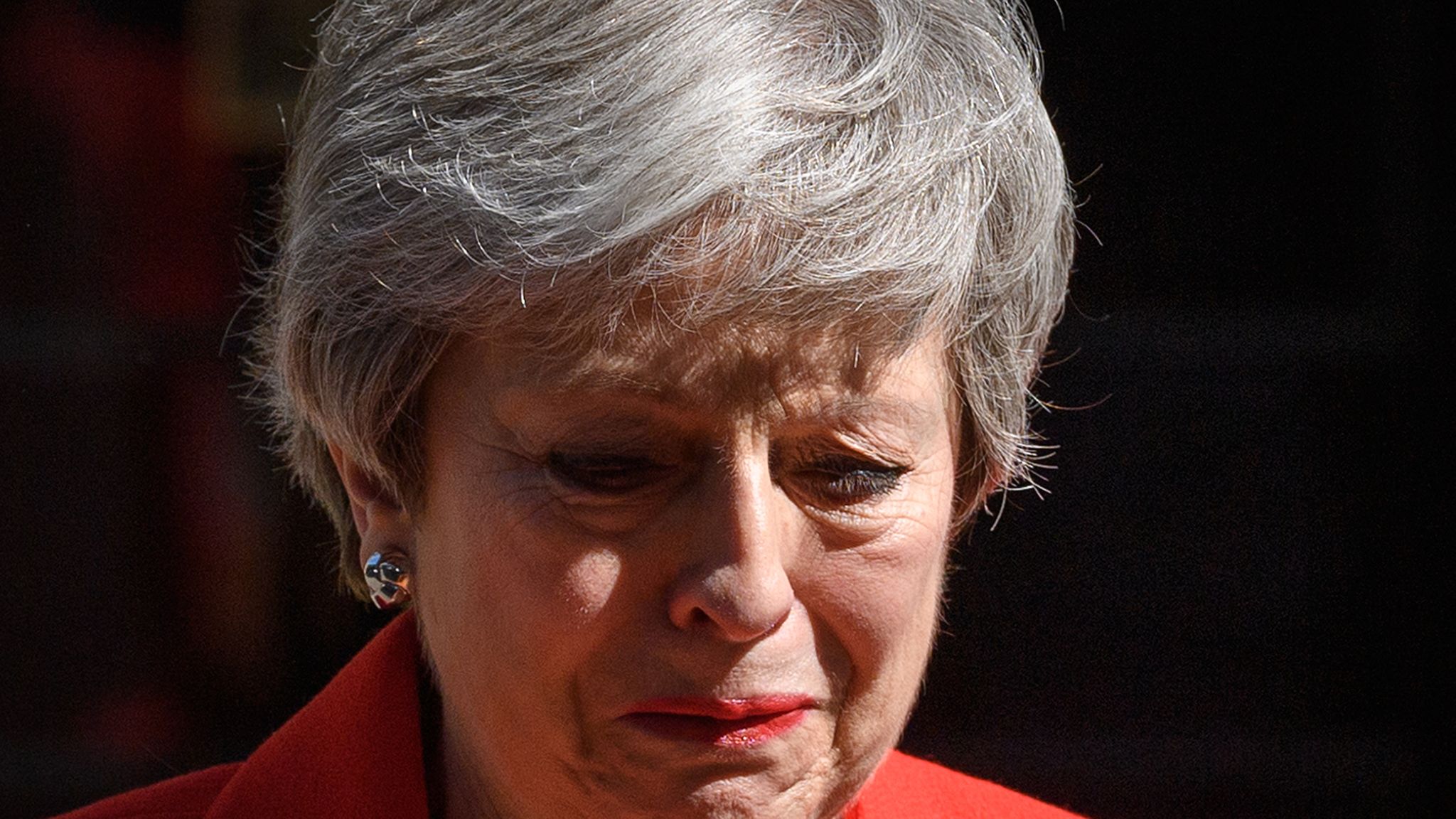
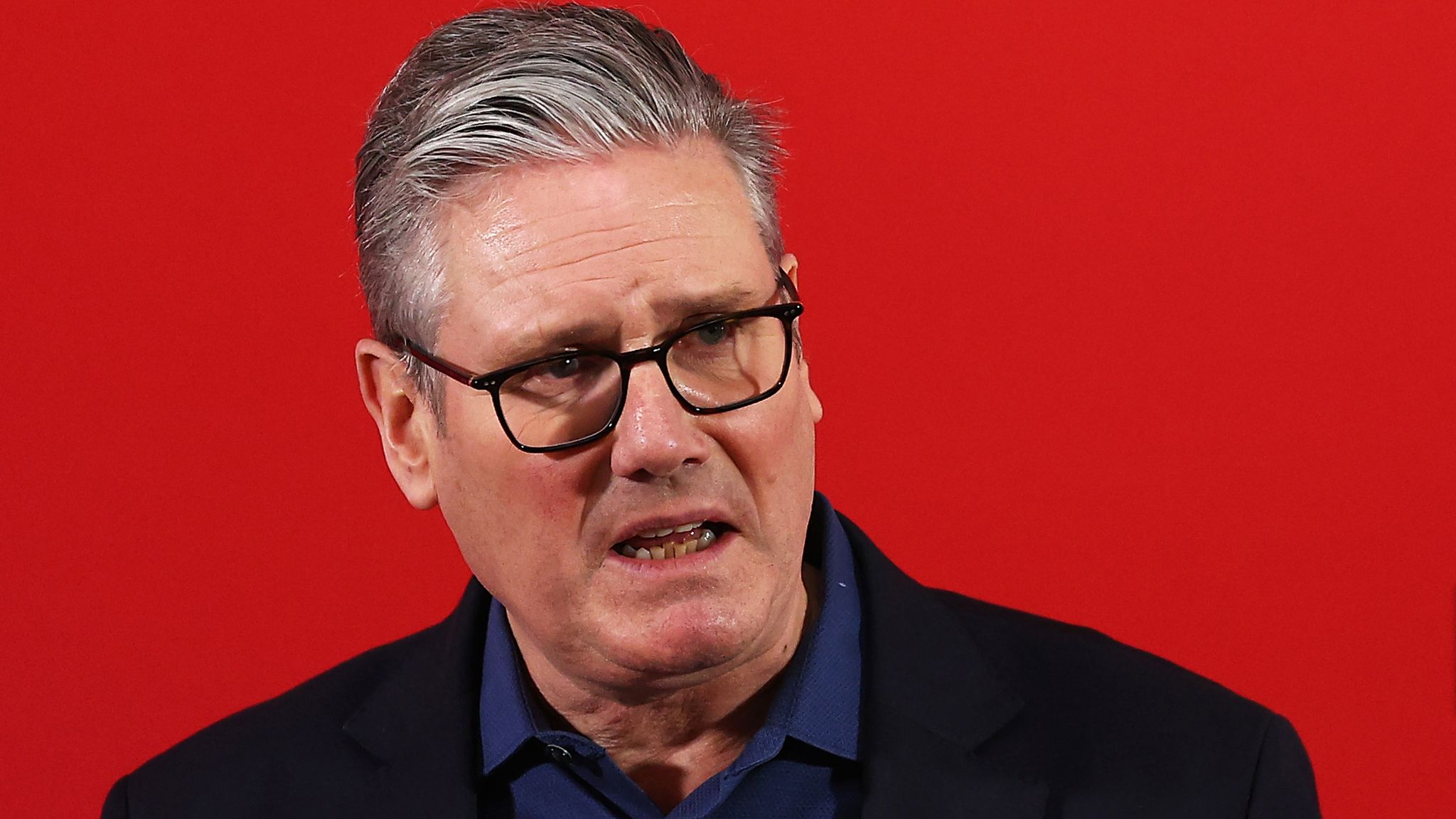
Sir Keir Starmer faces mounting pressure after Labour’s devastating losses across England, Scotland, and Wales. The party shed over 1,400 councillors in England, recorded its worst Scottish Parliament performance since 1999, and lost control of the Senedd for the first time since devolution began.
Calls are intensifying from Labour MPs demanding that Sir Keir either resign immediately or provide a clear timeline for his departure. His leadership was already under strain following controversies including the appointment of Lord Peter Mandelson as ambassador to the US, the fallout from the Epstein files revelations, and the security vetting scandal.
Labour MPs Demand Action Amid Rising Discontent
While no cabinet minister or prominent challenger has officially launched a bid to unseat Sir Keir, dozens of Labour MPs express deep frustration, blaming his leadership for the party’s collapse. Former minister Catherine West has vowed to initiate a leadership contest if the cabinet fails to act by Monday.
Mechanisms to Oust a UK Prime Minister
The process to remove a prime minister varies between parties and typically involves either leadership challenges within the party or parliamentary confidence votes.
Labour Party Leadership Challenges
In Labour, an MP seeking to challenge the leader must notify the party’s National Executive Committee (NEC). The NEC sets a timetable requiring challengers to secure nominations from at least 20% of Labour MPs—currently 81 endorsements, including the candidate. The leader automatically appears on the ballot without needing nominations.
Challengers must be sitting MPs, ruling out figures like Greater Manchester Mayor Andy Burnham, who was blocked from returning to Westminster. The high nomination threshold makes mounting a successful Labour leadership coup difficult. For example, despite calls for Gordon Brown to step down in 2008-9, no credible challenger emerged.
In reality, Labour prime ministers are usually forced out only when cabinet ministers resign, signaling a loss of confidence.
Conservative Party Leadership Challenges
The Conservative Party permits confidence votes if a significant portion of MPs write to the chairman of the 1922 Committee. Following recent reforms, 30% of Tory MPs must request a vote, up from 15%, to reduce instability. Both Theresa May and Boris Johnson survived such votes but ultimately saw their authority erode, leading to resignations.
The Power of Confidence Votes in Parliament
A fundamental constitutional principle demands that the government maintain the confidence of the House of Commons. Losing a confidence vote typically forces a government to resign or call a general election.
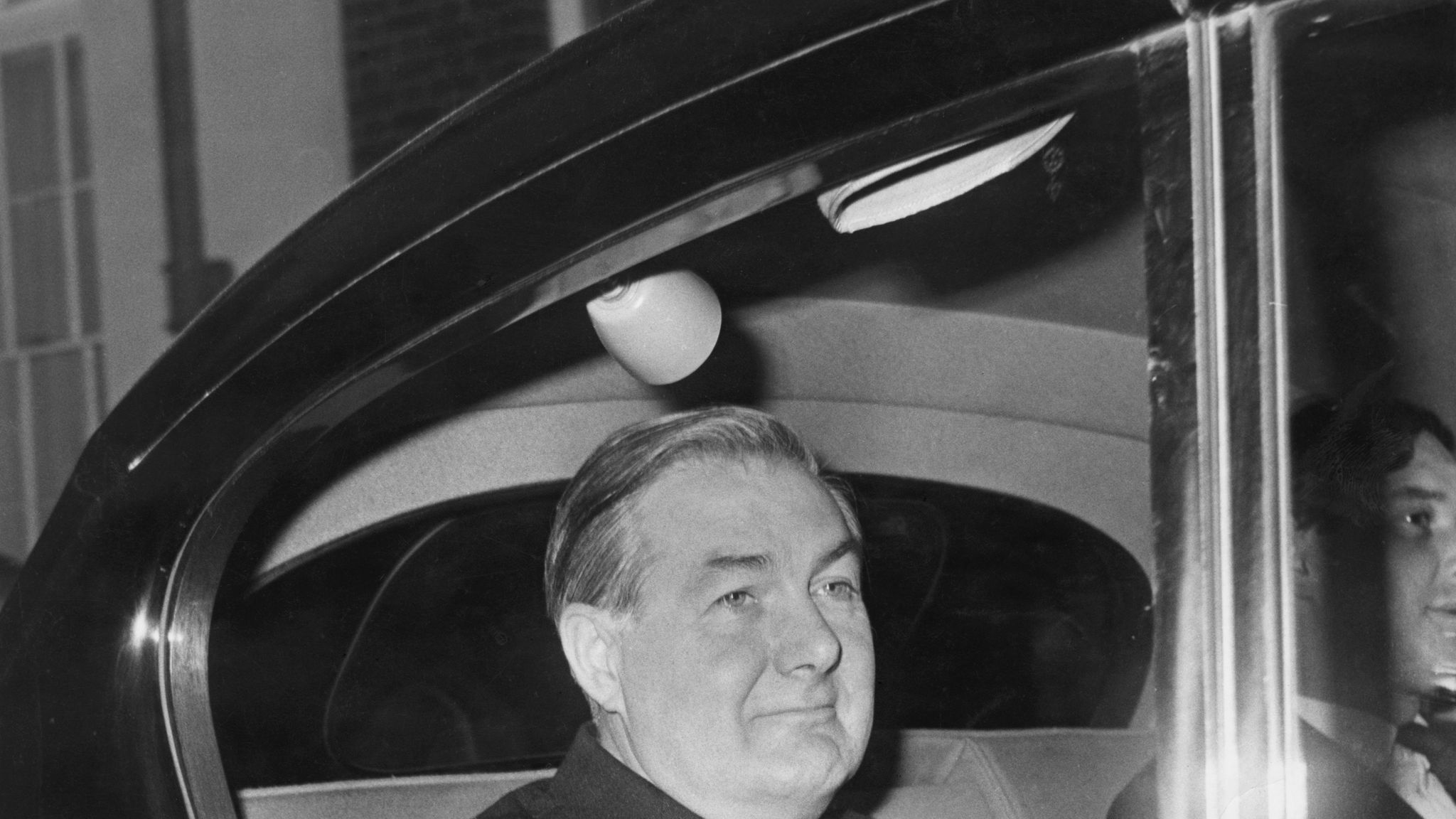
The opposition leader can table a formal vote of no confidence, explicitly stating the House no longer supports the government. The last government toppled this way was James Callaghan’s minority Labour administration in 1979, defeated by a razor-thin margin of 311 to 310 votes. This defeat triggered a general election won by the Conservatives under Margaret Thatcher, ushering in 18 years of Tory rule.
Confidence votes rarely topple governments; the previous instance was Stanley Baldwin’s administration in 1924. Often, beleaguered prime ministers engineer their own confidence votes by declaring key policies as matters of confidence, compelling MPs to support the government or risk triggering an election. John Major famously used this tactic in 1993 to secure backing for the Maastricht Treaty amid Eurosceptic rebellion.
Ministerial Resignations: The Ultimate Signal of No Confidence
Cabinet resignations remain one of the most effective means to force a prime minister’s exit. Labour MPs lack formal internal mechanisms to express no confidence privately, so ministerial resignations exert significant pressure.
After surviving a no-confidence vote in July 2022, Boris Johnson was shielded from another for a year under Conservative rules. However, a scandal involving his deputy chief whip, Chris Pincher, sparked a mass cabinet revolt that made his position untenable.
When Credibility Shatters: Resignations Without Cabinet Revolt
Prime ministers don’t always fall due to resignations alone. Liz Truss resigned after just 44 days as prime minister when her “mini-budget” triggered economic chaos, destroying her credibility and forcing her to backtrack on nearly all measures.
Theresa May faced relentless parliamentary defeats over her EU withdrawal deal, rejected three times by her own party’s hardline Brexiteers, ultimately compelling her resignation.
Tony Blair won three consecutive elections but saw his standing collapse after the Iraq War controversy. Under intense party pressure and with a looming leadership plot, he announced an early departure, stepping down mid-term and handing over to Gordon Brown.