Gavin Tait, a 69-year-old retiree from Glasgow, once embraced renewable technology with enthusiasm. “I’m an early adopter of new technology,” he shares proudly. Over a decade ago, after receiving a retirement lump sum, Gavin invested in solar panels, a home battery, and a heat pump. His motivation was clear: save money while helping the environment. “It seemed like a no-brainer,” he recalls.
Initially, the investment paid off. His well-insulated home stayed warm and his energy bills dropped significantly. However, in recent winters, Gavin noticed a sharp rise in his electricity costs. “My electricity bills were going through the roof,” he says. This winter, he and his wife decided to switch off their heat pump and revert to their old gas boiler, which had been kept as a backup.

The Cost Paradox of Heat Pumps
Gavin’s experience illustrates a growing dilemma facing many homeowners transitioning to green technology. Heat pumps are highly efficient, delivering up to three or four units of heat for every unit of electricity consumed, compared to gas boilers which deliver nearly one unit of heat per unit of fuel.

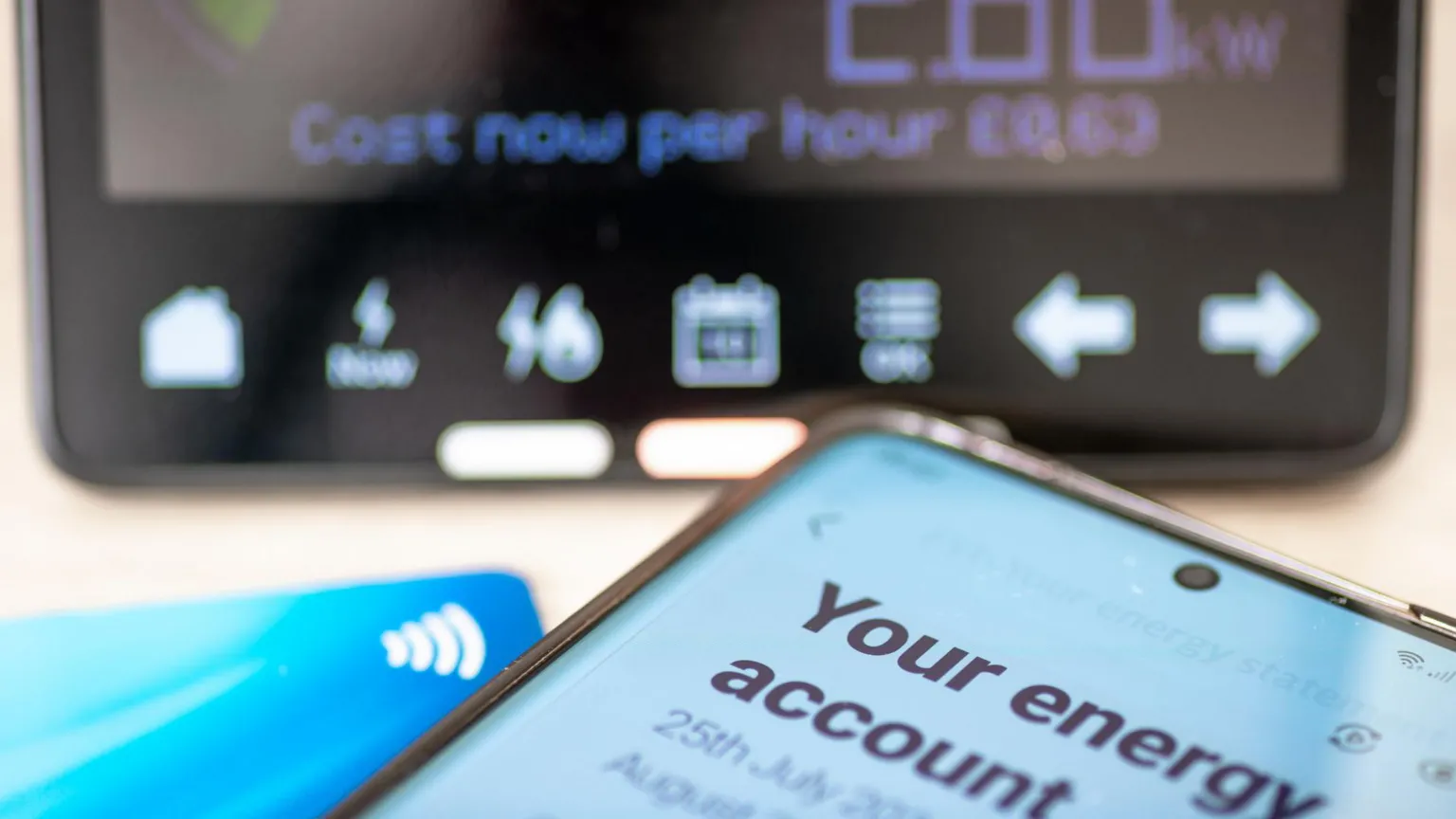
However, heat pumps rely on electricity, which has become significantly more expensive. Gavin currently pays around 27p per kilowatt-hour for electricity, while gas costs less than 6p per kilowatt-hour—over four times cheaper. This stark difference makes running a heat pump economically unsustainable for many.

This problem is widespread. A survey of 1,000 heat pump owners conducted last summer by Censuswide for Ecotricity found that two-thirds reported their homes had become more expensive to heat since installing heat pumps.


Why Cheap Power Matters More Than Clean Power
Gavin’s story underscores a critical tension in the global push toward net zero emissions: while clean energy technologies are essential to reducing carbon footprints, affordability remains a significant barrier.

Governments and climate experts emphasize the importance of switching to renewable energy sources like solar, wind, and heat pumps to meet climate targets. However, as Gavin’s case shows, higher electricity prices can discourage adoption and even prompt a return to fossil fuels.

Reliable, cheap power is crucial for widespread acceptance of green technologies. If consumers face soaring energy bills, their willingness to invest in or continue using renewables dwindles. This economic reality has sparked debate among policymakers about balancing environmental goals with energy affordability.

The Broader Implications for Net Zero Strategies
Transitioning to net zero is not just about deploying clean technology—it requires a comprehensive approach that addresses energy costs, infrastructure, and consumer behavior.

For example, heat pumps operate most efficiently in well-insulated homes. Without sufficient insulation, their advantage diminishes, leading to higher energy consumption and costs. Gavin’s well-insulated home initially benefited from the heat pump, but rising electricity prices eroded these gains.

Policy experts argue that alongside promoting clean energy, governments must focus on reducing electricity prices through investments in grid infrastructure, renewable energy expansion, and market reforms. These measures can make green technologies more accessible and economically viable for households.
Moreover, energy pricing structures need reconsideration. The vast difference between gas and electricity prices highlights the challenge of incentivizing cleaner options. Until electricity becomes consistently affordable, some consumers might prioritize cost savings over environmental benefits.
What This Means for the Future
Gavin Tait’s experience is a cautionary tale for the net zero transition. It reveals that technological innovation alone cannot guarantee success unless paired with economic feasibility.
As governments worldwide set ambitious climate goals, they must balance the imperative for clean energy with the practical realities of household budgets. Without affordable power, the adoption of renewable solutions risks stalling, potentially delaying progress toward emissions targets.
The path to net zero demands not only innovation and environmental commitment but also policies that ensure energy remains affordable for all. Only then can the vision of a sustainable future become a reality embraced by consumers rather than resisted due to economic strain.