

Sir Alex Younger, the distinguished former head of the British intelligence agency MI6, has died, marking the end of an era for one of the United Kingdom’s most pivotal intelligence figures. His leadership and strategic vision left a profound impact on the intelligence community during a period of significant global challenges.
Who Was Sir Alex Younger?
Sir Alex Younger served as the Chief of the Secret Intelligence Service, commonly known as MI6, from 2014 until 2020. In this role, he led Britain’s overseas intelligence operations, focusing on national security amid rising threats from terrorism, cyber warfare, and geopolitical tensions. His tenure spanned critical moments in global security, including the aftermath of the Snowden revelations, the ongoing fight against ISIS, and increasing concerns about state-sponsored espionage.
Before becoming the head of MI6, Younger built a distinguished career within the service, known for his analytical acumen and operational expertise. His leadership style was characterized by a blend of discretion and decisiveness, earning respect not only within British intelligence circles but also among international partners.
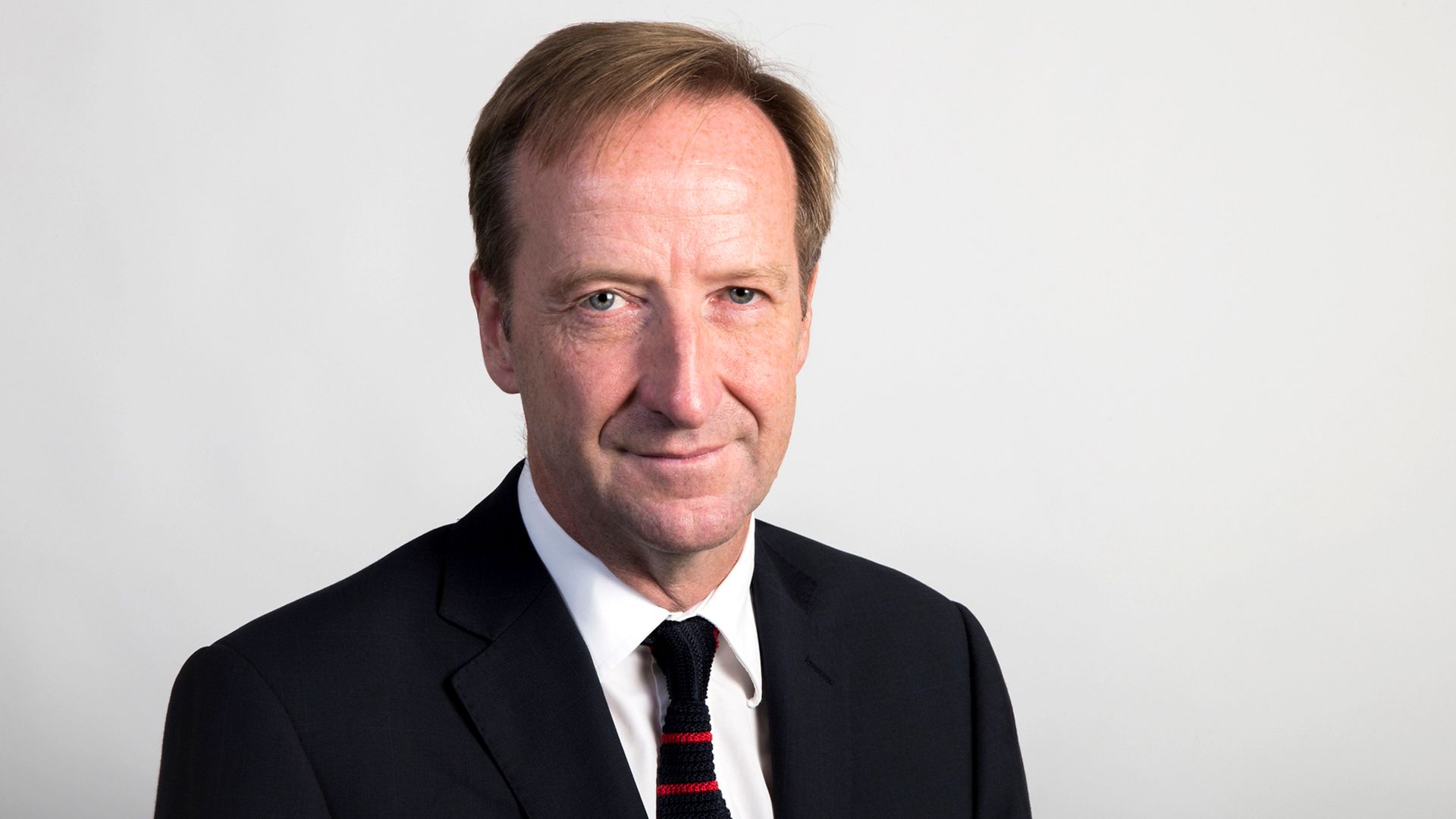
Legacy and Contributions
Under Sir Alex Younger’s direction, MI6 adapted to the evolving landscape of intelligence gathering. He emphasized the importance of embracing new technologies, strengthening cybersecurity measures, and enhancing cooperation with allied intelligence agencies. This approach helped Britain maintain a leading role in global intelligence despite the rapidly changing security environment.
Sir Alex also played a significant role in navigating the complex challenges posed by Russia’s increased espionage activities and the sophisticated cyber attacks targeting Western democracies. His efforts ensured that MI6 remained vigilant and responsive to emerging threats, balancing traditional intelligence methods with cutting-edge innovations.
His tenure coincided with heightened political and diplomatic tensions worldwide, including Brexit’s impact on UK intelligence sharing and relationships with European partners. Throughout these changes, Sir Alex maintained a steady hand, safeguarding Britain’s intelligence capabilities and international collaborations.
Why Sir Alex Younger’s Death Matters
The passing of Sir Alex Younger represents not only the loss of a remarkable intelligence leader but also a moment to reflect on the critical role of intelligence in national security. MI6’s operations often unfold in secrecy, but the agency’s influence on policy, diplomacy, and security is profound.
Younger’s career exemplified the balance between secrecy and transparency necessary for effective intelligence work. His leadership during turbulent times helped protect the UK from a range of threats, from terrorism to cyber espionage, underpinning the safety and stability of the nation.
For the broader intelligence community and the public, his death underscores the importance of supporting and recognizing the work of those who operate behind the scenes to defend national interests. It also highlights the ongoing challenges faced by intelligence agencies amid technological advancements and shifting geopolitical landscapes.
Looking Ahead
As MI6 moves forward, the foundation laid by Sir Alex Younger will continue to influence its strategies and operations. His emphasis on innovation and international cooperation remains vital as the agency confronts new challenges such as artificial intelligence threats, global terrorism networks, and digital espionage.
His legacy serves as a reminder of the critical importance of strong, visionary leadership in intelligence. The world will watch closely as MI6 appoints new leadership to carry forward this mission, tasked with protecting the UK’s interests in an increasingly complex and dangerous global environment.
Sir Alex Younger’s death marks a significant moment for British intelligence history, honoring a career dedicated to national security and the pursuit of global stability.