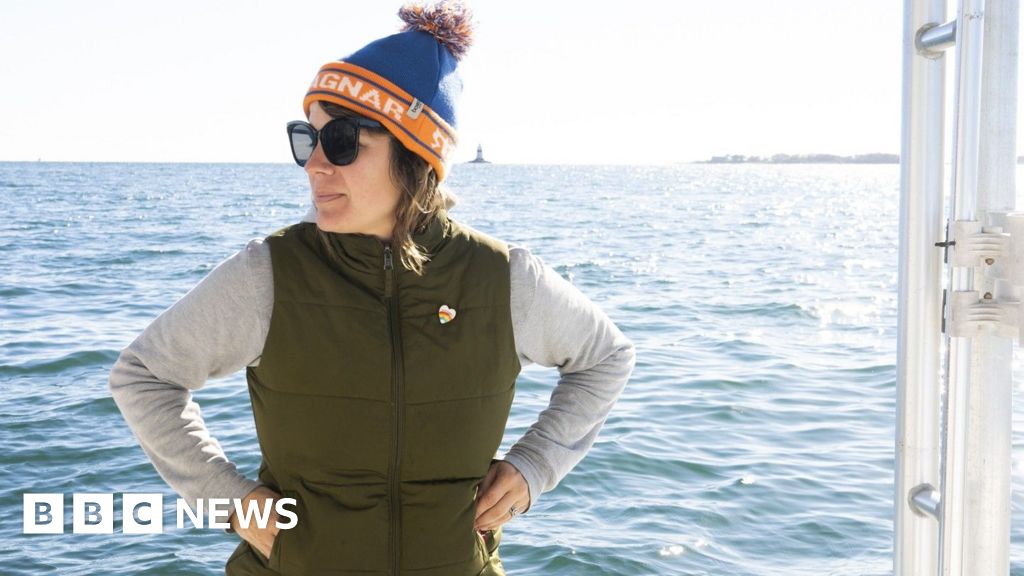
On a chilly February morning along the Connecticut coast, Suzie Flores prepares to harvest sugar kelp from the Atlantic Ocean—a crop that many Americans have yet to embrace as a sustainable food source. While most of New England braces against winter’s bite, Flores is already out on the water, carefully checking weather conditions, ice levels, and GPS markers before heading to one of the last active commercial fishing ports in the state: Stonington, Connecticut.
Despite the early season’s sparse growth—only thin fronds visible now—Flores measures and photographs the young kelp, gathering data that supports ongoing marine research. This hands-on farming of seaweed is a far cry from her previous life in Manhattan, where she held an English degree and worked in academic publishing. Today, Flores directs the Stonington Kelp Company, a venture she runs alongside her husband, harvesting and advocating for an ocean-grown food that she believes will become a cornerstone of sustainable eating in the United States.
From City Desk to Ocean Waves: A Radical Career Shift
Flores’s journey from the corporate world to kelp farming is rooted in a profound personal transformation. In her former life, she commuted from Jersey City to a desk job in Manhattan’s academic publishing scene—a stark contrast to the salty air and rolling tides of Stonington Harbor where she now lives and works. The turning point came amid family changes: her husband, Jay, a former combat photographer who served in Iraq and Afghanistan, returned home unsettled and reinvented himself as an engineer. Around the same time, Flores had three children in rapid succession, prompting her to reassess the legacy she wanted to leave behind.
“What would I want my children to say about me at my funeral?” she asked herself. The answer was clear: not that she excelled in market research for higher education software, but that she made a meaningful impact. This led the family to leave the frenetic city life behind, purchase a dilapidated marina on the Connecticut–Rhode Island border, and dive into the uncharted waters of seaweed farming.
Building a New Industry: The Challenges and Promise of Seaweed Farming
Flores didn’t enter this field blindly. She returned to school to study environmental science and reached out to Charlie Yarish, a biologist at the University of Connecticut widely regarded as a pioneer of seaweed cultivation in the US. Under Yarish’s guidance, Flores began mastering the delicate art of growing sugar kelp, a fast-growing seaweed species that can reach lengths of over a meter by spring.
Despite its global popularity, particularly in Asian cuisines, kelp remains a niche product in the US. Flores has spent years not only growing the kelp but also educating consumers and chefs about its nutritional benefits, culinary versatility, and environmental advantages. Sugar kelp absorbs carbon dioxide and nitrogen from the water, helping to combat ocean acidification and pollution while providing habitat for marine life. Its cultivation requires no fresh water, fertilizer, or land clearing, making it an ecological powerhouse compared to traditional agriculture.
Flores’s efforts highlight a broader movement toward sustainable food systems that prioritize health and environmental resilience. By farming kelp locally, she reduces reliance on imported seaweed and offers a fresh, traceable product to American markets. This approach supports coastal economies, creates jobs, and opens new pathways for climate-friendly food production.
Why Kelp Matters: A Path Forward for Sustainable Eating
The rise of kelp farming in the US is more than an agricultural trend; it represents a shift in how Americans might engage with their food and environment. As concerns about climate change, overfishing, and soil degradation intensify, alternative food sources like seaweed offer promising solutions.
Flores’s story embodies this shift. From a corporate career to pioneering a nascent industry, she demonstrates how individuals can drive change by aligning their work with ecological and social values. Her commitment to kelp farming not only nurtures a sustainable food source but also reinvigorates a coastal community grappling with economic and environmental challenges.
For consumers, embracing kelp means tapping into a nutrient-rich, low-impact food that supports ocean health. For coastal regions, it offers economic diversification and a sustainable livelihood for fishermen and farmers alike. And for the planet, it provides a natural tool to mitigate climate impacts.
As Flores lifts her kelp lines from the Atlantic, she harvests more than just seaweed—she cultivates hope for an American food future rooted in sustainability, innovation, and respect for the ocean’s bounty.