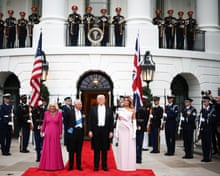
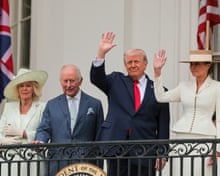
The upcoming visit of King Charles III to meet former President Donald Trump is shaping up to be one of the most delicate and consequential state visits in recent history. Amid unpredictable political dynamics and heightened security concerns, the king must navigate an unprecedented landscape where diplomacy, symbolism, and public perception intertwine.
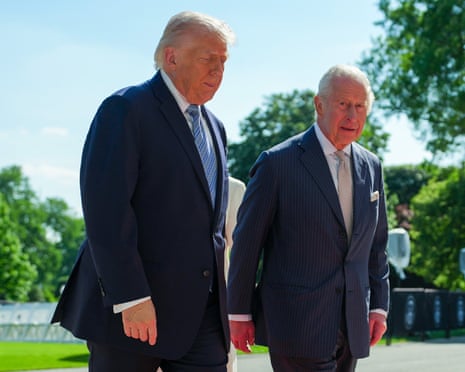
A Visit Fraught with Diplomatic Complexity
Renowned political historian Anthony Seldon describes the 27-30 April visit as “obviously beyond tricky,” with a level of difficulty unmatched since King George VI’s historic meeting with Franklin D. Roosevelt before World War II. The challenge stems largely from Trump’s famously unpredictable nature. Seldon notes that while the UK-US relationship has endured tense moments in the past—such as those involving Lyndon B. Johnson and Harold Wilson or Dwight Eisenhower and Anthony Eden—the current climate is unique.

Despite this, Seldon believes King Charles holds an advantage: “He’s probably the one person in the world who Trump doesn’t want to offend.” This dynamic may allow the monarch more room to maneuver diplomatically. Seldon suggests Charles could adopt a cautious approach or choose to emphasize the foundational values shared by both nations—freedom, democracy, separation of powers, and rule of law—that shaped the United States 250 years ago.

Meanwhile, Professor Philip Murphy, director of history and policy at the University of London, warns the visit poses greater risks for UK political figures like Keir Starmer, given the government’s apparent eagerness to court Trump. Murphy highlights the peril to the monarch’s prestige, placing him in contact with a polarizing figure whose public behavior complicates traditional diplomatic decorum.

Heightened Security Measures and Public Expectations
The security of King Charles during this visit is under intense scrutiny, especially following an incident where Donald and Melania Trump were evacuated from a White House Correspondents’ Dinner due to gunfire. Darren Jones, chief secretary to the UK Prime Minister, assured the public that “appropriate security” measures would be in place commensurate with the risks presented.

Discussions between British and American security teams are ongoing to adjust operational planning as needed. A Buckingham Palace spokesperson confirmed these talks, emphasizing collaboration with US counterparts to ensure the visit proceeds safely without disruption.

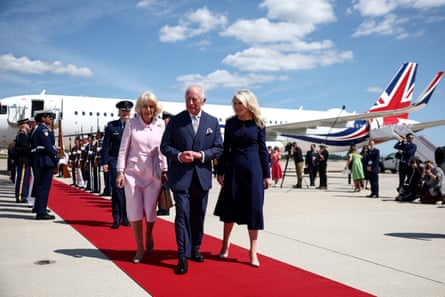
The King’s Pivotal Address to Congress
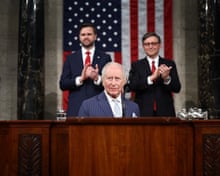
One of the visit’s defining moments will be King Charles’s address to a joint session of the US Congress—an event broadcast worldwide and arguably his most significant speech to date. Buckingham Palace indicates the speech will acknowledge contemporary challenges facing both nations.

Historical precedent adds weight to this moment. When Queen Elizabeth II spoke to Congress in 1991, she underscored the dangers of power gained “from the barrel of a gun” and highlighted the importance of NATO, open societies, and cultural diversity. However, such remarks would now risk offending Trump, who has shown sensitivity to perceived critiques.

Professor Murphy anticipates Charles will carefully appeal to the American public, emphasizing enduring shared values such as freedom and democracy. “He can make it appear that the strength of the relationship is beyond politics,” Murphy explains, leveraging his unique position as a monarch above partisan fray.
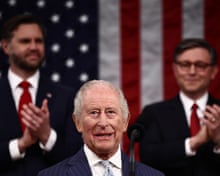
Seldon adds that Charles need not mention Trump explicitly, allowing listeners to interpret the message in light of current leadership. A well-crafted, respectful speech could reinforce the profound intellectual and humane bonds uniting the UK and the US, regardless of the present administration.
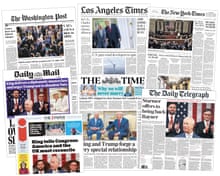
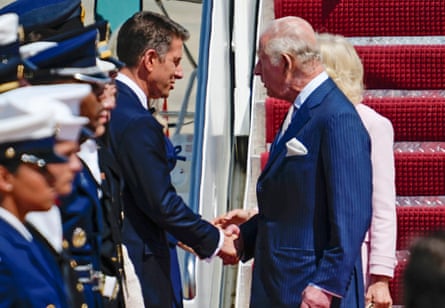
Private Meetings and Sensitive Conversations
In light of recent diplomatic embarrassments, King Charles’s planned bilateral meeting with Trump in the Oval Office will be conducted privately, following the traditional photo opportunity. This approach aims to shield sensitive discussions from public scrutiny, especially given Trump’s history of divulging private conversations on social media platforms like Truth Social.
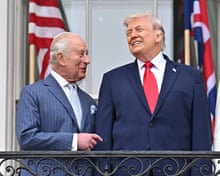
Charles faces a complex task addressing topics such as Trump’s past public insults directed at UK leaders and military forces, as well as provocations against Canada, over which Charles also reigns. Professor Murphy stresses the king will proceed with caution, mindful that private remarks could become public fodder.
Lingering Shadows: Epstein Controversy and Sussex Family Dynamics
The visit is also shadowed by ongoing controversies linked to the royal family. Prince Andrew remains under investigation for alleged misconduct connected to Jeffrey Epstein, prompting calls from US figures such as Congressman Ro Khanna for King Charles and Queen Camilla to meet Epstein survivors. Buckingham Palace has declined such meetings, citing concerns that they might disrupt legal proceedings and hinder survivors’ pursuit of justice.
Public protests are a possibility, but the itinerary minimizes opportunities for the king and queen to engage closely with crowds, with only a “block party” in Virginia offering a rare public interaction. Murphy notes that media narratives have recently associated Charles with the Epstein scandal and the turbulent public fallout involving the Sussexes—Prince Harry and Meghan Markle.
There are no plans for a reunion between Charles and the Duke of Sussex, who resides on the US West Coast, nearly 3,000 miles away. The palace likely hopes to avoid any provocative interviews or disclosures from Harry during this delicate period.
Why This Visit Matters
King Charles’s visit to the United States at this politically charged moment transcends traditional diplomacy. It tests the monarch’s ability to uphold the dignity of the crown while engaging with a former president known for his mercurial temperament. The visit offers a rare opportunity to reaffirm the historic and cultural ties that link the UK and the US, even as contemporary politics threaten to strain those bonds.

By carefully balancing caution with principled messaging, Charles can reinforce the monarchy’s role as a unifying figure beyond partisan politics. The success or failure of this visit will have lasting implications for the British crown’s global stature and the future of UK-US relations amid an era of unpredictable leadership and geopolitical tension.