The ambitious high-speed rail connection between London and Birmingham is set to become slower, more expensive, and take longer to complete than initially promised. This marks a significant shift in expectations for what was once touted as a groundbreaking infrastructure project.
Escalating Costs and Extended Timelines
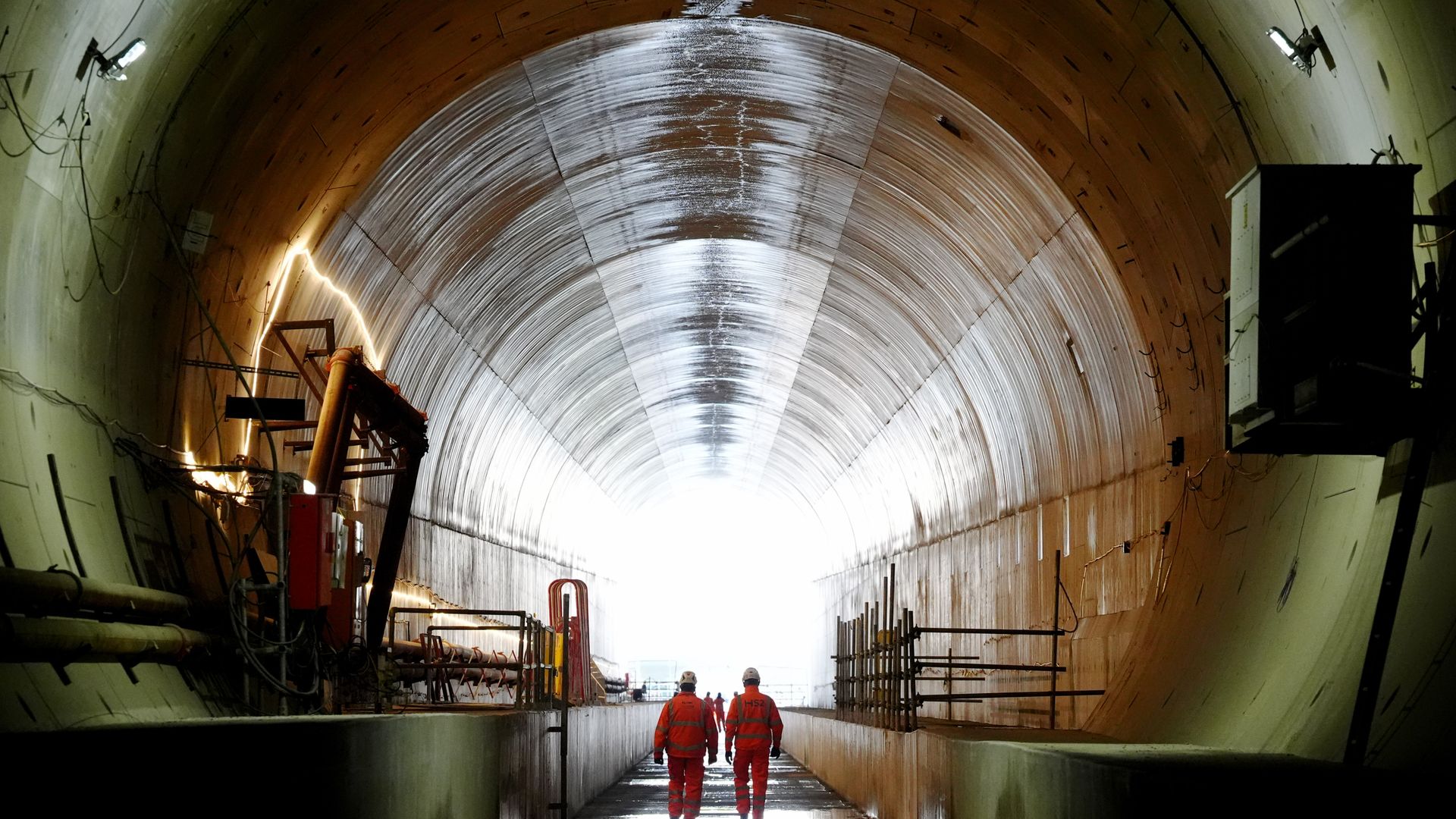
Originally designed to revolutionize travel with rapid transit, the rail line now faces substantial budget overruns. Project managers have announced that the total expenditure will exceed prior estimates, driven by unforeseen complexities and construction challenges. Alongside the rising costs, the timeline for completion has stretched, delaying the line’s operational launch and impacting broader economic and transportation plans.
Reduced Speeds Undermine High-Speed Promise
Contrary to earlier claims of ultra-fast travel, the train’s maximum speed will be scaled back. This reduction dilutes the project’s competitive advantage over existing transport modes and raises questions about the long-term value and efficiency of the route. Commuters anticipating swift journeys may need to adjust their expectations accordingly.
Implications for Future Infrastructure Projects
The setbacks facing the London-Birmingham rail line underscore the complexities inherent in large-scale transportation infrastructure. Stakeholders must now navigate the challenges of balancing cost, speed, and timely delivery while maintaining public confidence and governmental support.