The British Museum has ignited controversy after deciding to postpone a scheduled talk on Jewish culture, citing fears over possible protests. Critics argue this move sends a deeply troubling message about freedom of expression and cultural dialogue in one of the world’s most prestigious institutions.
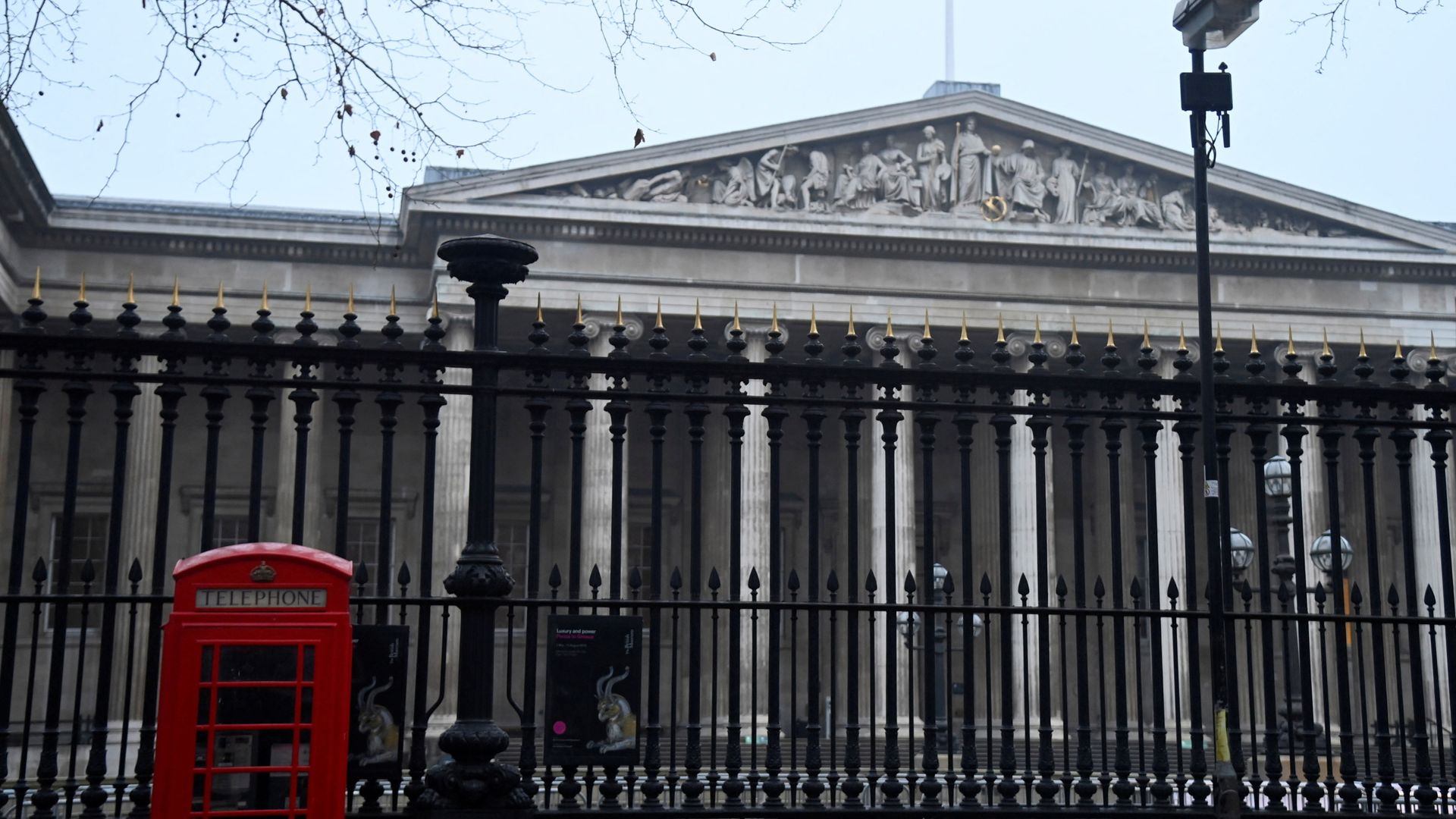
Postponement Sparks Outcry from Community and Advocates
The event, designed to celebrate and explore the rich heritage of Jewish culture, was abruptly delayed by museum officials. Their justification reportedly centers on concerns about potential disruptions and safety risks stemming from anticipated protests linked to the ongoing geopolitical tensions.
This decision has drawn sharp rebuke from Jewish leaders, cultural advocates, and free speech proponents who warn that yielding to threats of protest undermines the museum’s role as a neutral platform for education and intercultural exchange. Many see the postponement as setting a dangerous precedent where public institutions cower in the face of intimidation rather than fostering open conversation.
Impact on Cultural Dialogue and Institutional Responsibility
Opponents of the postponement emphasize that museums hold a critical responsibility to protect and promote diverse cultural narratives, especially those of minority communities. By delaying the Jewish culture talk, the British Museum risks alienating a significant audience and diminishing its reputation as an inclusive cultural beacon.
Furthermore, this incident raises pressing questions about how cultural institutions should balance security concerns with their mission to encourage learning and understanding. Critics argue that shielding events from potential protestors may inadvertently silence important voices and stifle cultural expression.
Calls for Reconsideration and Support for Jewish Cultural Events
In response to the backlash, various advocacy groups call on the British Museum to reconsider its stance and reaffirm its commitment to hosting events that celebrate cultural diversity without fear. They urge the museum to implement robust security measures that enable such talks to proceed safely rather than cancel or postpone them altogether.
Jewish community representatives emphasize the importance of visibility and dialogue, particularly in a climate where anti-Semitism and cultural misunderstandings persist. They stress that cultural events like this talk serve as vital platforms to educate the public, promote tolerance, and counteract prejudice.
The Broader Implications for Cultural Institutions
This controversy at the British Museum reflects a wider challenge faced by cultural institutions worldwide: navigating the complex terrain of political sensitivities, security threats, and the imperative to support free cultural expression. How museums respond to these pressures will shape their role in fostering inclusive, resilient societies.
As the debate unfolds, many hope that the British Museum will take decisive action to uphold its values, ensuring that cultural conversations—especially those involving historically marginalized communities—continue without interruption or fear.