The National Health Service (NHS) has officially approved a revolutionary new treatment that can postpone the development of type 1 diabetes by up to three years. This milestone marks a significant advancement in diabetes care, offering hope to thousands at risk of this chronic condition.
What Makes This Diabetes Treatment Unique?
Type 1 diabetes is an autoimmune disease where the body’s immune system attacks insulin-producing cells in the pancreas, leading to lifelong dependence on insulin therapy. Until now, medical interventions focused primarily on managing symptoms after diagnosis rather than preventing or delaying the disease’s onset.
This newly approved therapy represents the first of its kind designed specifically to delay the progression of type 1 diabetes before full onset. By modifying the immune response, the treatment can slow the destruction of pancreatic beta cells, effectively postponing the need for insulin injections.
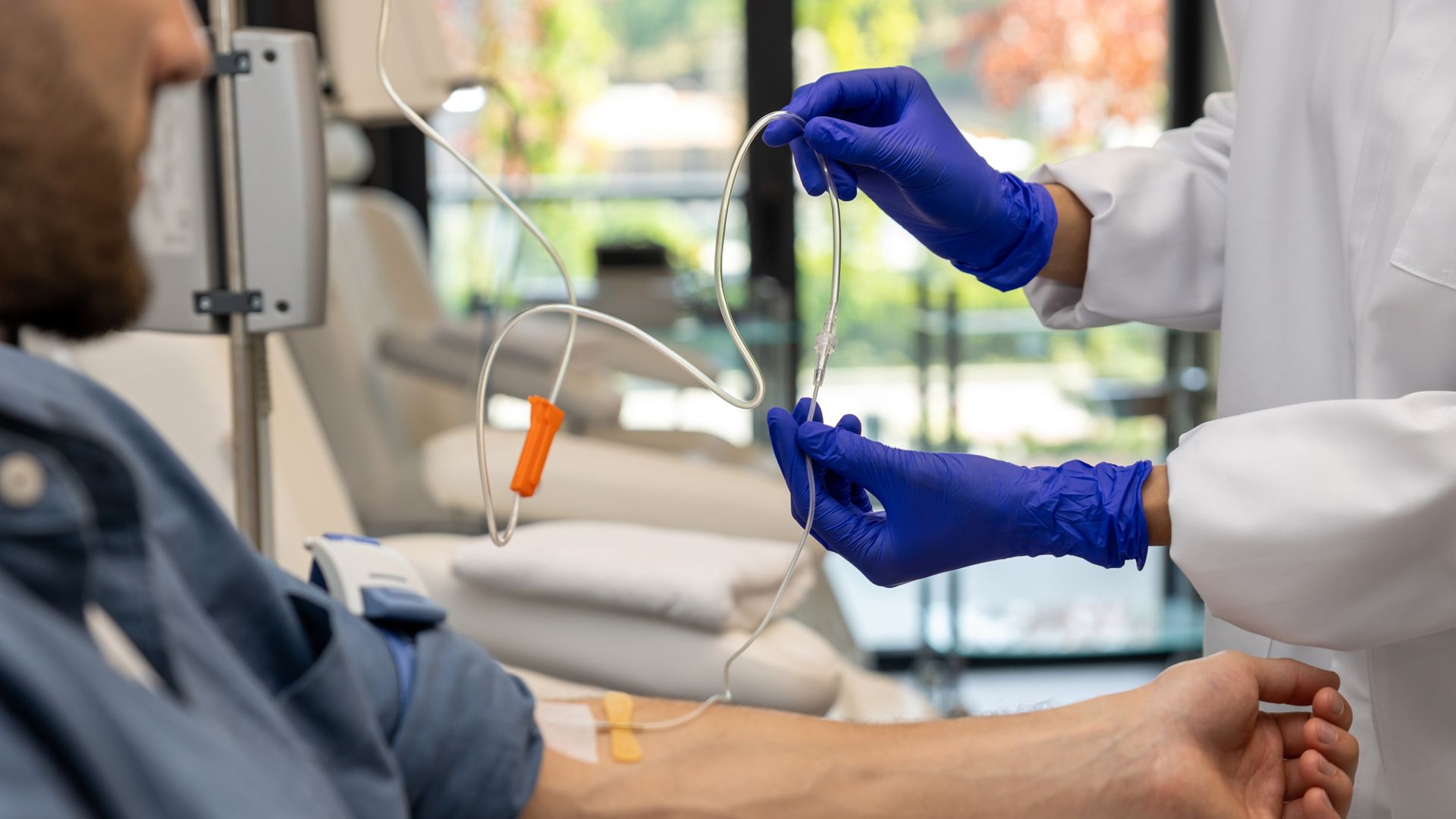
Clinical trials demonstrated that patients receiving this therapy experienced a significant delay—up to three years—in the appearance of full-blown diabetes symptoms compared to those who did not receive the treatment. This breakthrough provides a critical window for further medical intervention and lifestyle adjustments that could improve long-term health outcomes.
Why This Approval Matters for Patients and the NHS
For individuals at high risk of developing type 1 diabetes, the approval of this therapy offers a transformative opportunity. Delaying the disease’s onset reduces the immediate health risks associated with insulin dependency, such as hypoglycemia and diabetic ketoacidosis, and may improve quality of life during those crucial years.
From the healthcare system’s perspective, the therapy could ease the growing burden of diabetes management on the NHS. Type 1 diabetes requires lifelong monitoring, insulin administration, and frequent hospital visits, all of which contribute to substantial healthcare costs. By postponing disease onset, the NHS can potentially allocate resources more effectively and reduce long-term expenses.
Experts have hailed this approval as a “landmark” moment, underscoring the importance of early intervention in autoimmune diseases. It also reflects the NHS’s commitment to adopting innovative treatments that improve patient outcomes and public health.
What Comes Next: Implementation and Future Prospects
The next phase involves integrating this therapy into NHS clinical practice with clear guidelines on identifying eligible patients. Individuals with genetic or immunological markers indicating a high risk of developing type 1 diabetes will be candidates for the treatment, emphasizing the importance of early screening and diagnosis.
Healthcare providers will need to monitor patients closely to assess the treatment’s effectiveness and adjust care plans accordingly. Additionally, ongoing research aims to refine the therapy, explore combination treatments, and potentially extend the delay beyond three years.
This approval also opens the door for similar immunomodulatory approaches targeting other autoimmune diseases, signaling a paradigm shift in how chronic illnesses are managed at their earliest stages.
Looking Ahead: A New Era in Diabetes Care
The NHS’s endorsement of this pioneering therapy represents a critical leap forward in the fight against type 1 diabetes. By offering a means to delay disease onset, patients gain precious time to maintain normal insulin function and avoid immediate complications.
While the therapy does not cure diabetes, its ability to extend the preclinical phase provides a valuable window for additional preventive strategies and lifestyle modifications. This progress underscores the vital role of early diagnosis and personalized medicine in chronic disease management.
As the NHS begins rolling out this treatment, patients and clinicians alike can anticipate a future where type 1 diabetes is not an inevitable diagnosis but a condition that can be delayed and better managed.