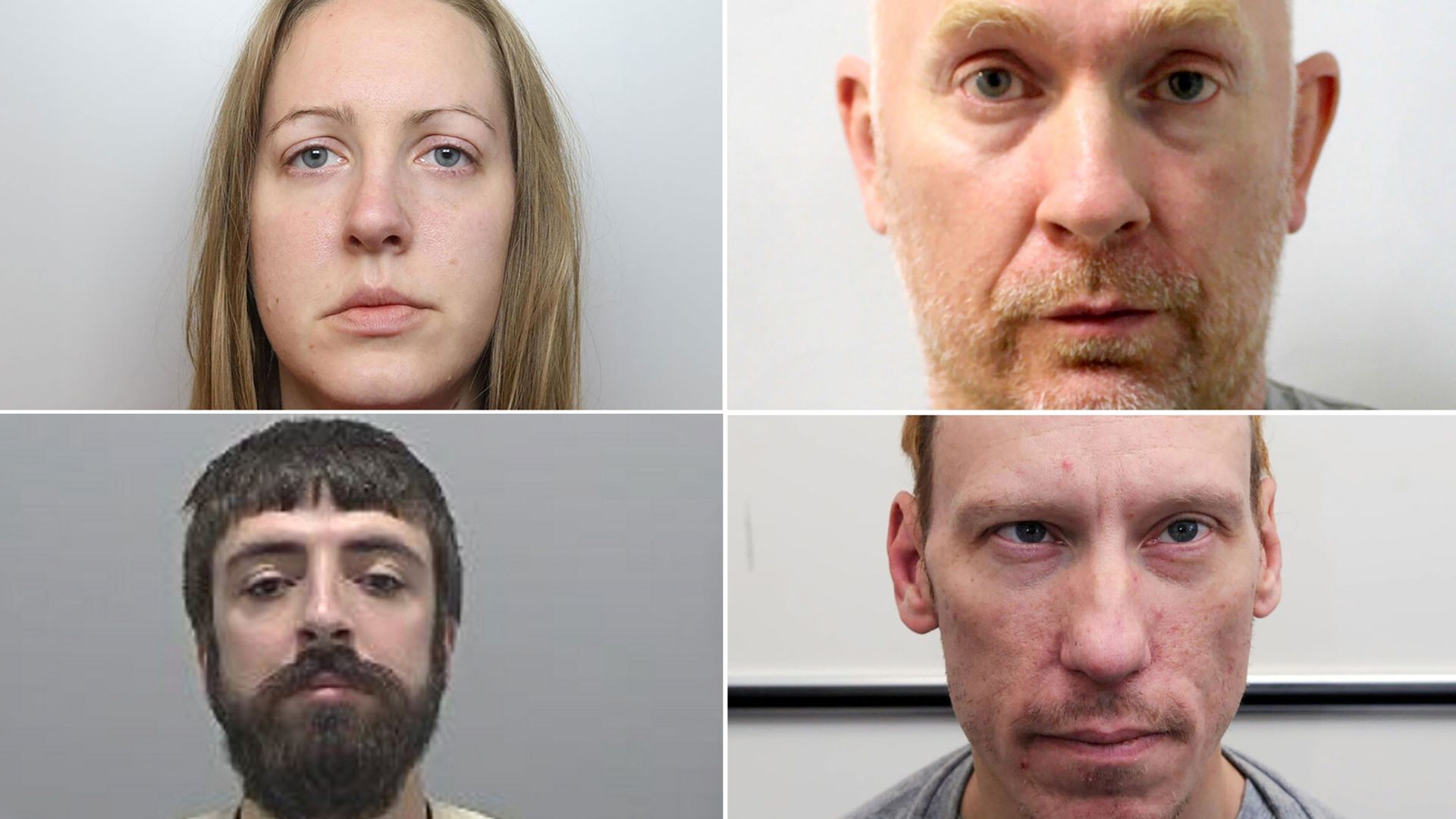
In the United Kingdom, over 70 inmates have been handed whole-life sentences, condemning them to spend the rest of their days behind bars with no possibility of parole. Among these prisoners are some of the country’s most notorious criminals, whose horrific acts have shocked the nation and ensured they will never see freedom again. Figures such as Lucy Letby, the baby serial killer; Levi Bellfield, the murderer of schoolgirl Milly Dowler; and Kyle Clifford, a triple murderer and rapist, stand out as grim examples of the severity with which the justice system treats the most heinous offenders.
What Is a Whole-Life Sentence?
A whole-life sentence, also known as a life without parole, means the convicted individual has no chance of release, barring exceptional circumstances such as a successful appeal or extraordinary legal intervention. Unlike standard life sentences, which often allow prisoners to apply for parole after serving a minimum term, whole-life orders are reserved for the most serious crimes, reflecting society’s determination to permanently remove certain offenders from the community.
In the UK, courts impose whole-life sentences for crimes that involve extreme violence, multiple murders, or acts that cause widespread public outrage. The Home Office publishes guidelines that judges follow when deciding whether to impose this ultimate punishment. The rationale is twofold: to protect the public indefinitely and to deliver justice that matches the gravity of the offense.
Notorious Prisoners Serving Whole-Life Sentences
Lucy Letby is one of the most chilling cases in recent British criminal history. As a neonatal nurse, Letby was convicted of murdering and attempting to murder babies under her care, a betrayal of trust that horrified the public. Her whole-life sentence reflects the profound shock and condemnation of her crimes.
Levi Bellfield
Kyle Clifford
Why Whole-Life Sentences Matter
Whole-life sentences serve as a powerful statement about justice and societal protection. They underscore the principle that certain crimes are so grave they demand permanent removal of the offender. For victims’ families, these sentences offer a measure of closure, knowing the perpetrator will never re-enter society.
Moreover, whole-life orders act as a deterrent, signaling the severe consequences of committing the most egregious crimes. They also alleviate concerns surrounding rehabilitation and recidivism in cases where the offender’s actions are deemed irredeemable. However, the use of whole-life sentences also raises important legal and ethical discussions about human rights and the possibility of redemption.
Currently, the UK remains one of the few countries where whole-life sentences are actively imposed, reflecting a balance between harsh punishment and the country’s legal framework. The European Court of Human Rights has scrutinized these sentences, but the UK’s courts maintain them as crucial tools in their justice system.
What This Means for the Future
The existence of more than 70 whole-life prisoners in Britain highlights the ongoing challenge of addressing violent crime and ensuring public safety. As crime patterns evolve and new cases emerge, the justice system continues to rely on whole-life sentences to manage the most dangerous offenders.
For the public, these sentences offer reassurance that justice can be absolute, and for the legal system, they pose complex questions about punishment, rehabilitation, and human rights. The debate over whole-life sentences is likely to continue, especially as society grapples with balancing justice and compassion.
Ultimately, whole-life sentences represent the legal system’s firm stance against the most horrific crimes, permanently safeguarding communities and honoring the memory of victims. Their role in the British penal system is both a reflection of societal values and a critical component of maintaining law and order.