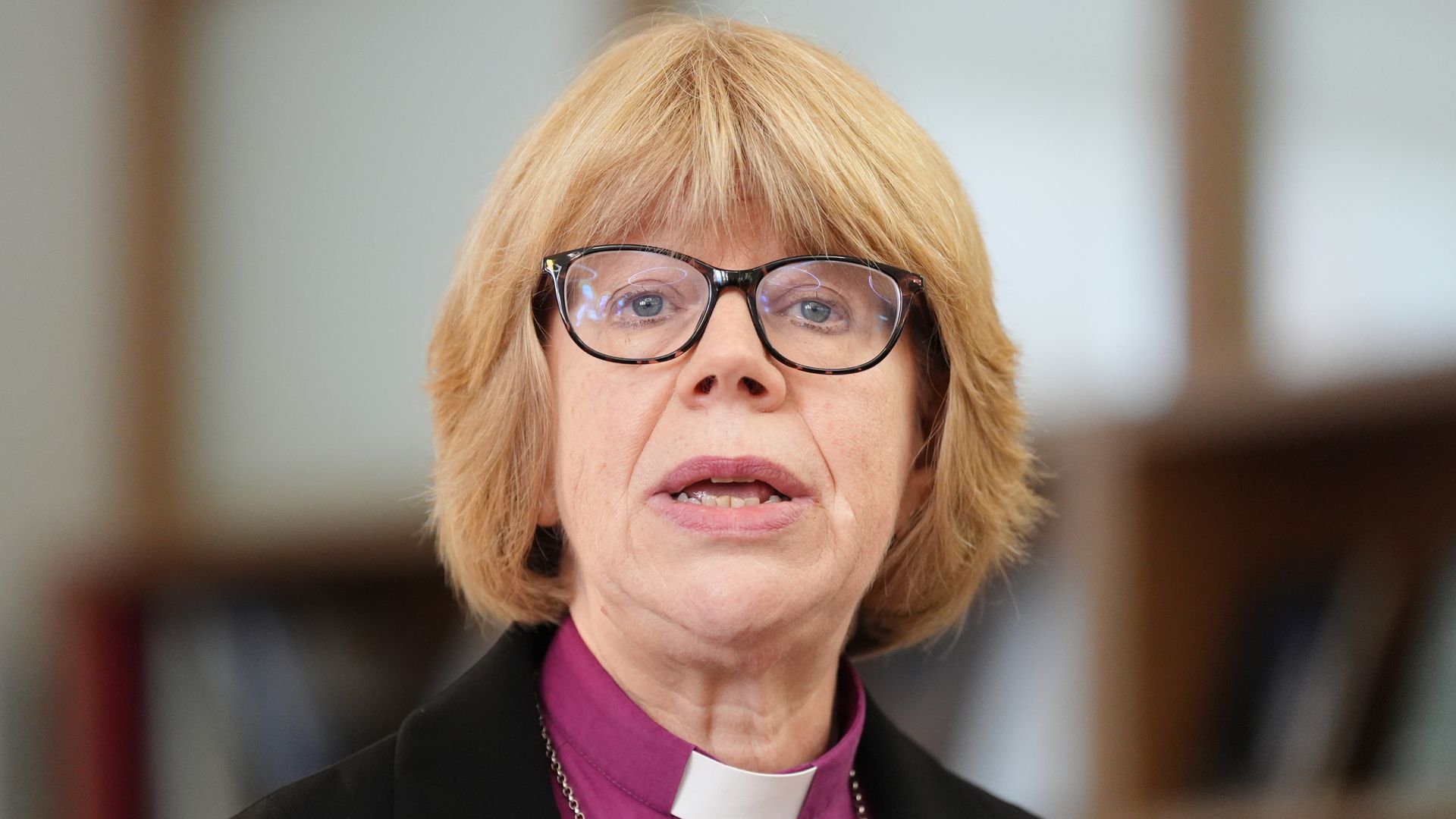
The Archbishop of Canterbury has delivered a solemn apology addressing the profound suffering caused by the Church of England’s involvement in forced adoptions during past decades. This acknowledgment confronts a painful chapter in the Church’s history that inflicted lasting trauma on countless families.
Unveiling a Troubling Legacy
Forced adoption practices, often shrouded in secrecy, affected thousands of mothers and children across the UK, with some cases linked directly to institutions affiliated with the Church of England. These adoptions, conducted without full consent or under coercion, left deep scars on those involved. Many mothers were pressured or misled into relinquishing their babies, while children were separated from their birth families, sometimes permanently.
The Archbishop’s apology is a response to growing public awareness and campaigns by survivors demanding recognition and justice. It reflects the Church’s acknowledgment of its role in endorsing or facilitating these adoptions, which were often justified at the time by misguided social and moral beliefs.
What This Apology Means for Survivors and Society
By openly admitting the Church’s responsibility, the Archbishop of Canterbury has taken a crucial step towards healing and reconciliation. This apology serves as both validation and acknowledgment for survivors who have long sought recognition of their pain and injustice.
The trauma from forced adoptions extends beyond individual families, affecting entire communities and shaping societal attitudes toward adoption and family rights. The Church’s involvement contributed to a culture where vulnerable women were marginalized and their voices silenced.
Moreover, this formal apology may influence ongoing discussions about reparations, support services for survivors, and reforms in adoption policies. It underscores the importance of transparency, accountability, and safeguarding human rights in social and religious institutions.
Looking Forward: Commitment to Remembrance and Reform
The Church of England’s apology is more than a statement; it signals a commitment to confronting uncomfortable truths and fostering a culture of empathy and respect. The Archbishop emphasized the need for the Church to listen deeply to survivors and to support them in their journey toward healing.
Moving forward, the Church is expected to collaborate with survivor groups, policymakers, and social services to ensure such injustices never recur. This includes promoting education about past wrongs and advocating for policies that protect families and children.
While no apology can erase the pain endured, this acknowledgment by one of the UK’s most influential institutions marks a pivotal moment in addressing historical wrongdoing and promoting restorative justice.
Why This Matters
The forced adoption practices linked to the Church of England represent a significant human rights issue with lasting consequences. Recognizing and apologizing for past failures is essential for societal progress and restoring trust in institutions that impact vulnerable populations.
Survivors now have a platform where their stories are heard and validated, offering hope for greater understanding and support. The Church’s apology also encourages other organizations with similar histories to examine their past actions critically.
Ultimately, this landmark apology invites reflection on how society values family integrity, individual rights, and the moral responsibilities of powerful institutions.
Full details on the Church of England’s plans to support survivors and implement reforms have not yet been released.