Vaccinating children against human papillomavirus (HPV) at ages 12 to 13 virtually eliminates their risk of dying from cervical cancer before they turn 30, according to compelling new research. This breakthrough underscores the critical impact of early immunization on long-term cancer prevention.
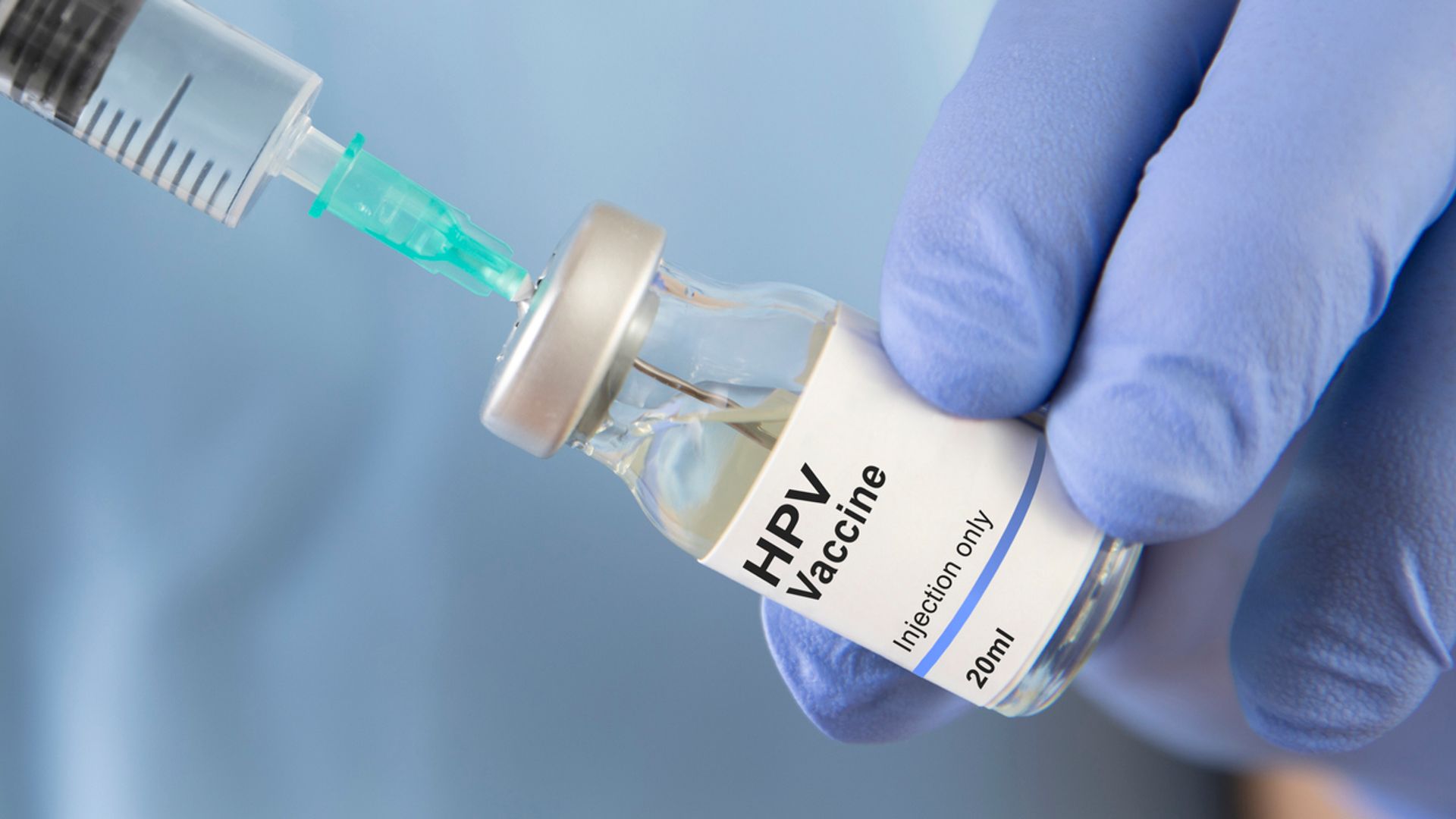
Study Reveals Near-Zero Cervical Cancer Mortality with Early HPV Vaccination
The latest study provides robust evidence that vaccinating adolescents at the recommended age dramatically reduces cervical cancer mortality in young adults. Researchers tracked health outcomes over several years, comparing vaccinated individuals with those who were not immunized. The findings revealed that those vaccinated at 12 or 13 years old had an almost negligible risk of succumbing to cervical cancer before reaching 30 years of age.
HPV is a common sexually transmitted infection responsible for the vast majority of cervical cancer cases worldwide. The vaccine targets high-risk strains of the virus known to cause the disease. Early vaccination offers protection before potential exposure to HPV, which typically occurs soon after sexual debut.
Why Early Vaccination is a Game Changer in Cancer Prevention
Administering the HPV vaccine during early adolescence is vital because it ensures immunity before the virus can be contracted. Cervical cancer develops over many years, often progressing silently from HPV infection to precancerous lesions and eventually malignancy. By interrupting this progression early, vaccination significantly lowers the disease burden.
This study’s findings highlight the importance of public health initiatives promoting timely HPV vaccination. Many countries have implemented school-based vaccination programs targeting 12- to 13-year-olds, aiming to maximize coverage and protection. The near-elimination of cervical cancer deaths among vaccinated youth serves as a powerful testament to these efforts.
Moreover, the reduction in cervical cancer mortality contributes to decreasing healthcare costs and improving quality of life for women globally. Early vaccination not only saves lives but also alleviates the physical, emotional, and financial toll associated with cancer treatment.
Long-Term Impact and What This Means for Public Health
The research offers hope for drastically reducing cervical cancer incidence and mortality rates worldwide, especially in regions where screening programs are limited. HPV vaccination programs, combined with regular cervical screening, form a comprehensive defense against this preventable cancer.
While cervical cancer typically affects women later in life, preventing deaths before age 30 is particularly significant. It reflects the vaccine’s potential to safeguard young women during their most vulnerable years, ensuring they can lead healthy lives without the threat of this disease.
Health authorities and policymakers should view these findings as a call to action to enhance vaccine accessibility and uptake. Increasing public awareness about the vaccine’s effectiveness can help overcome hesitancy and misinformation, ultimately saving more lives.
In conclusion, vaccinating children at ages 12 to 13 against HPV stands as a critical strategy in nearly eradicating early cervical cancer mortality. As vaccination rates climb, the vision of a future free from cervical cancer becomes increasingly attainable, offering a profound victory for public health worldwide.