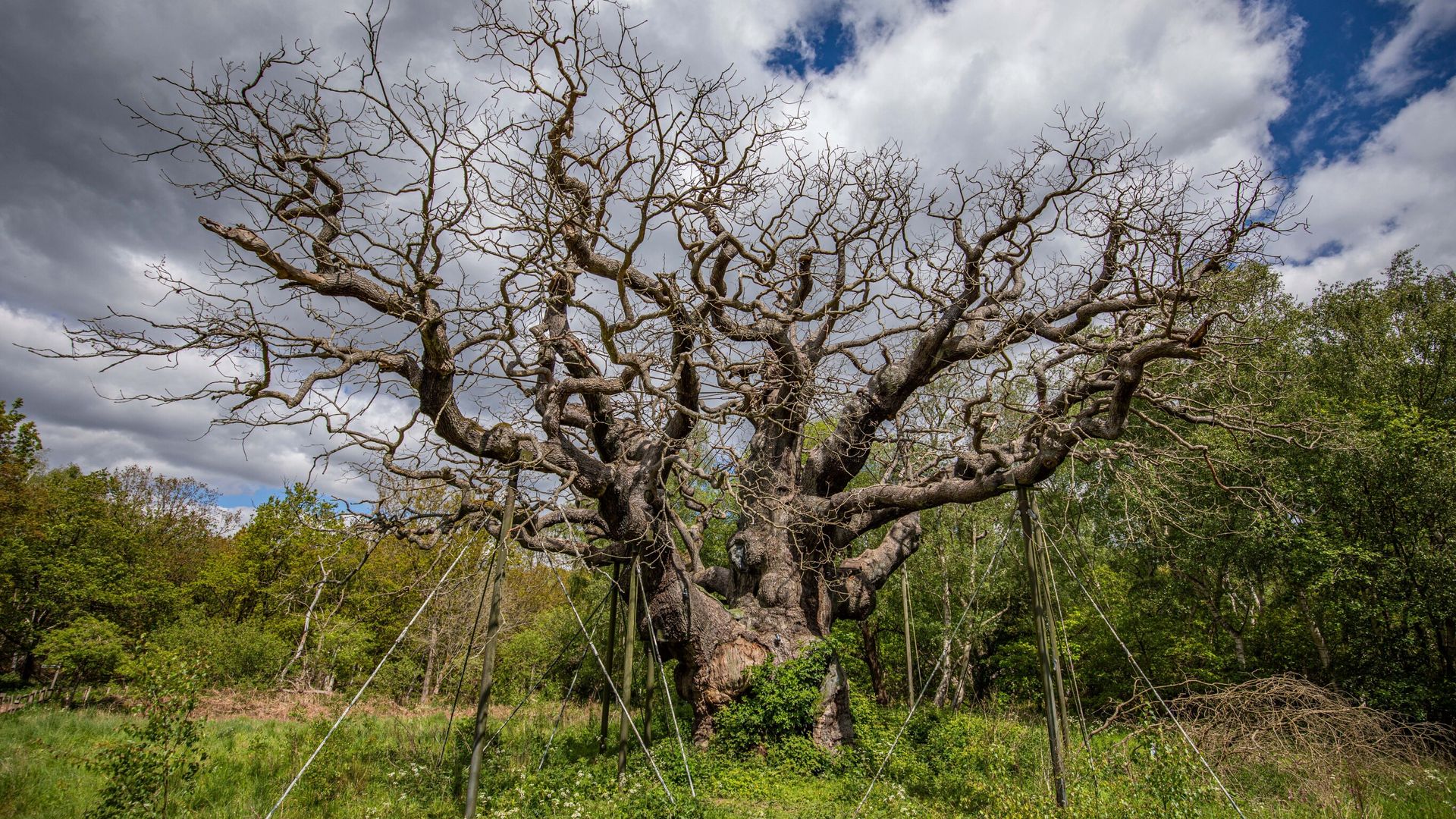
The world-renowned oak tree famously associated with the legendary outlaw Robin Hood has died, marking the end of an era for this iconic natural monument. This ancient tree, which stood for hundreds of years, captivated the imaginations of visitors and folklore enthusiasts alike, symbolizing the deep-rooted history of England’s folklore and its enduring cultural legacy.
The Historic Significance of the Robin Hood Oak
The Robin Hood Oak was more than just a tree; it was a living relic of medieval England entwined with the myths surrounding Robin Hood, the heroic figure famed for his defiance of tyranny and championing of the poor. Located near Sherwood Forest, the oak was reputedly one of the gathering spots for Robin Hood and his band of Merry Men as they planned their adventures against the Sheriff of Nottingham.
Over the centuries, the tree grew into a symbol of freedom, resilience, and justice, values embodied by the Robin Hood legend. Countless tourists and history buffs visited the site, drawn by its connection to folklore and the natural beauty of the majestic oak.
What Led to the Tree’s Demise?
Despite its robust appearance, the Robin Hood Oak was not immune to the ravages of time. Experts reported that the tree had been suffering from age-related decay and environmental stressors that inevitably led to its death. Like many ancient trees, it faced challenges such as fungal infections, soil degradation, and the impacts of climate change, all of which contributed to its gradual decline.
Local authorities and conservationists had taken measures to preserve the tree for as long as possible, implementing protective barriers and monitoring its health. However, the natural lifecycle of such a venerable organism meant that its passing was unavoidable. The death of this oak serves as a poignant reminder of the fragility of natural heritage, even when steeped in legend.
Why the Robin Hood Oak’s Passing Matters
The loss of the Robin Hood Oak is significant not only for its cultural and historical connections but also for what it represents in terms of environmental conservation. Ancient trees like this oak provide vital habitats for wildlife, contribute to biodiversity, and serve as carbon sinks, playing an important role in combating climate change.
Moreover, the tree’s death underscores the importance of protecting other historic natural landmarks before they reach a similar fate. It prompts reflection on how communities can better balance preservation efforts with the realities of environmental change and urban development.
For the local community and fans of the Robin Hood legend worldwide, the oak’s demise is a moment of mourning but also an opportunity to celebrate the enduring spirit of the folklore. The legacy of Robin Hood continues to inspire stories of justice and courage, much like the mighty oak stood tall for centuries as a beacon of those ideals.
Looking Ahead: Preserving History and Nature
In the wake of the Robin Hood Oak’s death, there are ongoing plans to honor its memory. Conservation groups and local councils aim to plant new trees in the area, ensuring that the landscape connected to Robin Hood’s tale remains vibrant for future generations. These efforts include educational programs to raise awareness about the importance of ancient trees and their role in both natural ecosystems and cultural identity.
While the original Robin Hood Oak no longer stands, its story lives on, reminding us of the intertwined fate of nature and legend. Protecting such heritage—both living and mythic—is vital to preserving the rich tapestry of history that shapes communities and inspires people around the world.
In summary, the death of the Robin Hood Oak signals the end of a natural icon but also sparks renewed commitment to safeguarding our cultural and environmental treasures for tomorrow.