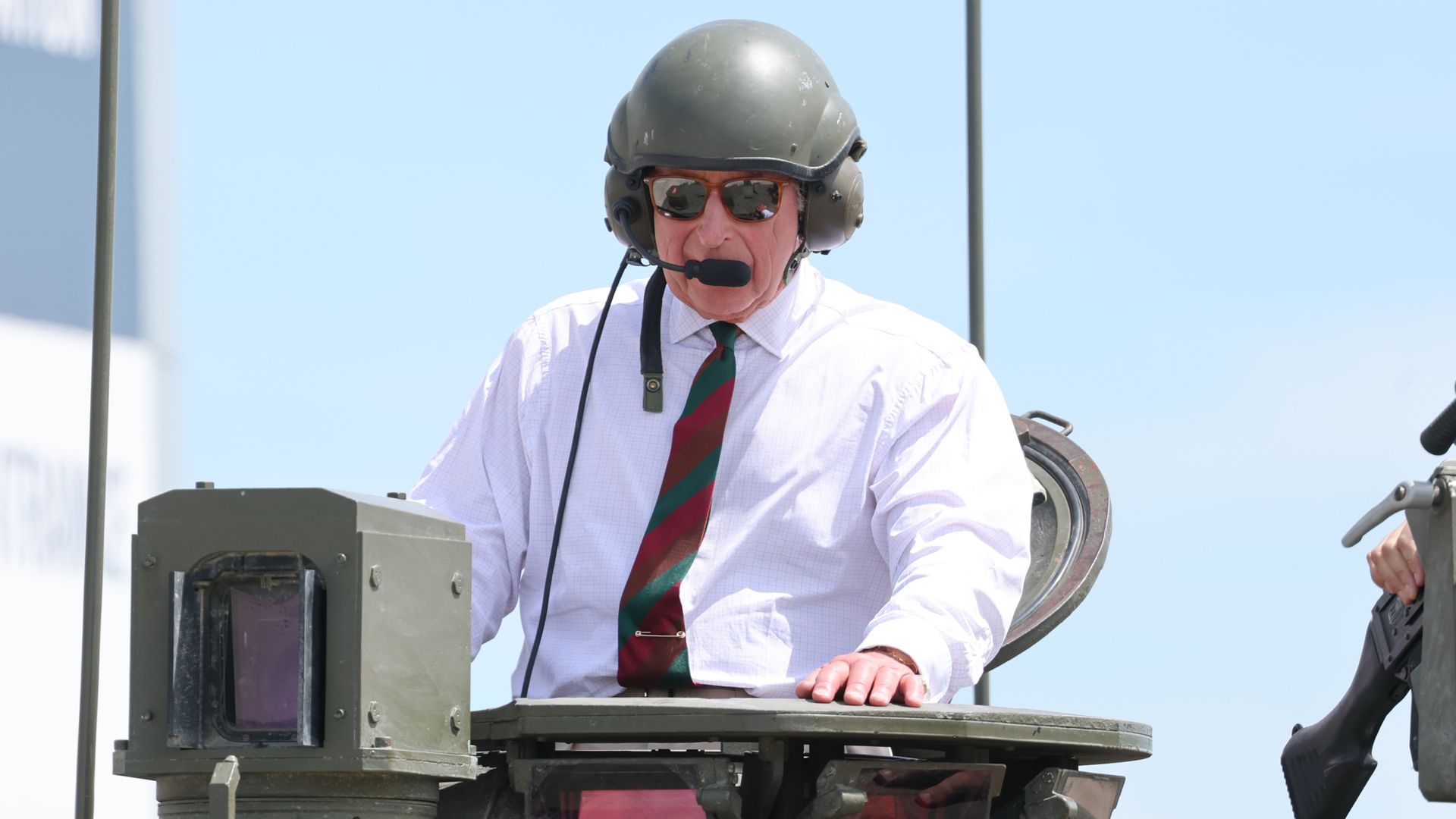
King Charles III took an extraordinary step during his first official visit to the Royal Tank Regiment (RTR) since becoming monarch, by personally riding in a British Army tank. This unique engagement underscores his role as Colonel-in-Chief and highlights his ongoing support for the armed forces.
A Historic First Visit to the Royal Tank Regiment
Following his accession to the throne, King Charles III made a landmark visit to the Royal Tank Regiment, the oldest tank unit in the British Army. This regiment has a distinguished history dating back to the First World War, when tanks were first introduced as a transformative combat vehicle. The King’s visit marked the first time he directly engaged with the RTR in his capacity as monarch and Colonel-in-Chief, a title that reflects his ceremonial leadership and connection to this elite unit.
During the visit, King Charles was given a hands-on experience inside one of the regiment’s main battle tanks. The tank ride was not merely symbolic; it demonstrated his personal interest and respect for the soldiers who operate these complex machines. The RTR is central to Britain’s armored warfare capabilities, and the King’s active participation reflects his commitment to the military and its modernization efforts.
Significance of the Tank Ride and Royal Military Traditions
The King’s ride in a tank holds deep symbolic meaning. Tanks revolutionized warfare when they first appeared in 1916, and the RTR has maintained a proud tradition ever since. By stepping inside and taking a ride, King Charles connected with the regiment’s heritage and the technological advancements that have shaped modern military strategy.
His role as Colonel-in-Chief is more than ceremonial. It represents a personal endorsement of the regiment’s values, morale, and operational readiness. The King’s interaction with servicemen and women during this visit reaffirmed his support for their service and sacrifices, reinforcing the close bond between the monarchy and the armed forces.
Royal visits to military units serve to boost morale and provide public recognition for the dedication of service members. The King’s engagement with the RTR, especially in such a direct and immersive manner, sends a powerful message about the monarchy’s involvement in national defense and the importance of maintaining a strong, capable military.
Why This Matters: The Broader Context of Royal Military Engagement
King Charles III’s visit to the Royal Tank Regiment comes at a time when the British Army is undergoing significant modernization to meet evolving security challenges. The RTR continues to play a vital role in this transformation, operating advanced armored vehicles designed to maintain the UK’s strategic edge.
The monarch’s visible support helps raise public awareness about the military’s role in national security and the challenges faced by service personnel. It also underscores the continuity of royal patronage, which has historically been a source of pride and motivation for British troops.
Furthermore, the King’s hands-on approach enhances the connection between the monarchy and the armed forces, moving beyond traditional ceremonial appearances to meaningful engagement. This approach aligns with his long-standing interest in defense and environmental stewardship, both critical to the future of the UK’s military capabilities.
Looking Ahead: The King’s Role in Supporting the Armed Forces
King Charles III’s visit to the Royal Tank Regiment sets a precedent for his active involvement with military units. As Colonel-in-Chief, he will continue to champion the welfare and recognition of British service members, fostering a sense of unity and purpose within the armed forces.
This historic tank ride is emblematic of his dedication to understanding the realities of military life and showcasing the strength of Britain’s defense forces. It also reflects the monarchy’s evolving role in contemporary Britain, balancing tradition with modern relevance.
As the Royal Tank Regiment advances into the future, equipped with cutting-edge technology and trained personnel, King Charles III’s support will remain a vital element in upholding the regiment’s esteemed legacy and operational excellence.
In summary, King Charles III’s dynamic engagement with the Royal Tank Regiment through this unprecedented tank ride highlights his commitment to the armed forces, strengthens the bond between the monarchy and military, and reinforces the enduring importance of armored warfare in the UK’s defense strategy.