On March 16, 2026, a catastrophic Pakistani airstrike struck the Omid Drug Rehabilitation Hospital in Kabul, Afghanistan, claiming the lives of at least 269 people. The attack sent shockwaves across the region, igniting outrage and grief among survivors, families, and international observers.

What Happened at Omid Rehabilitation Hospital?
In the early hours of March 16, Pakistani military jets launched an airstrike targeting what Islamabad described as “military and terrorist infrastructure” within Kabul. However, the location hit was the Omid Drug Rehabilitation Hospital, a facility dedicated to treating recovering addicts and supporting vulnerable patients.

The airstrike killed hundreds, including patients undergoing treatment and the hospital’s staff. Survivors and families of the victims have strongly rejected Pakistan’s claim that the site housed militant targets. They described the centre as a purely civilian medical facility, focused on helping people break free from addiction.
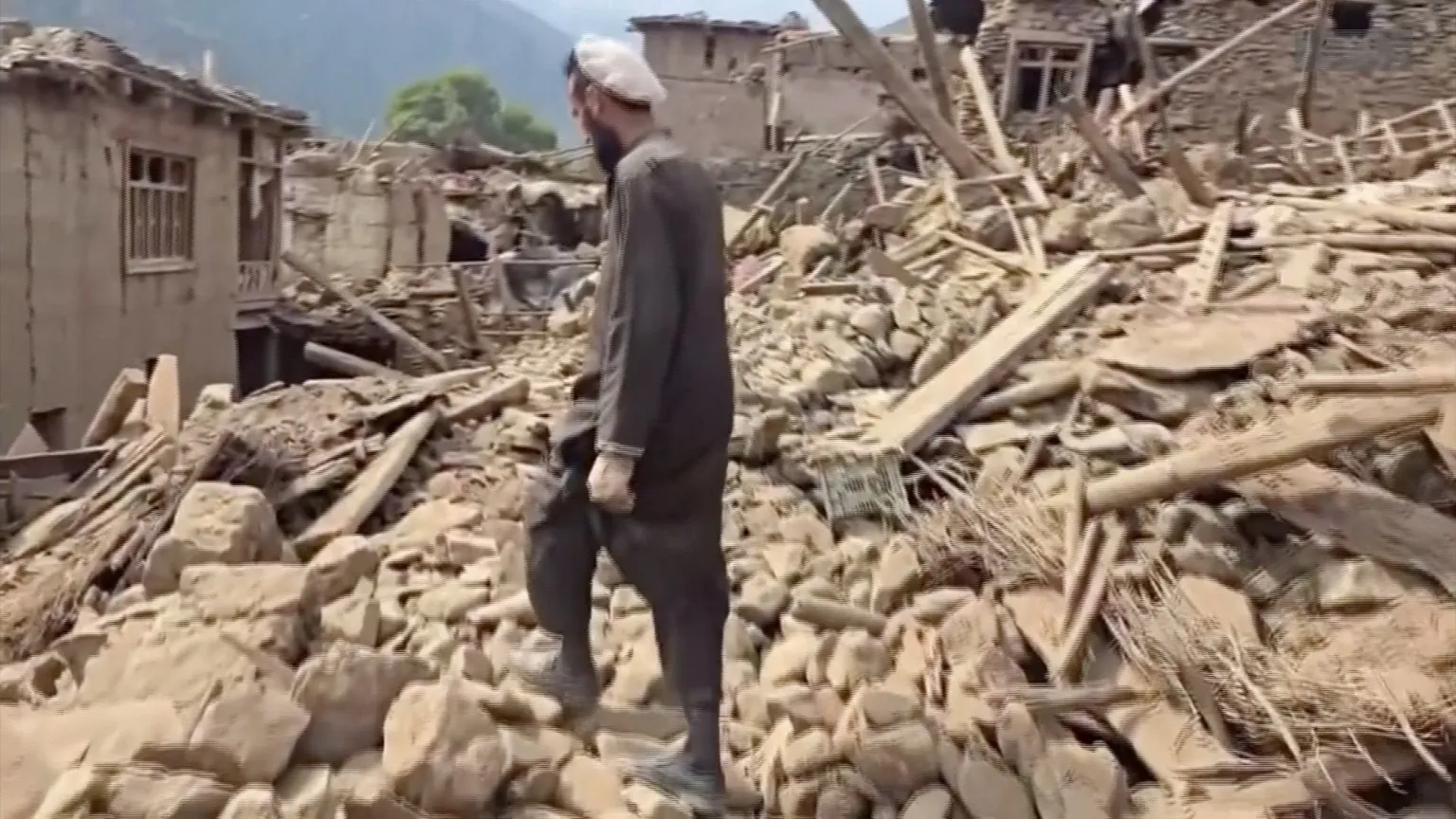
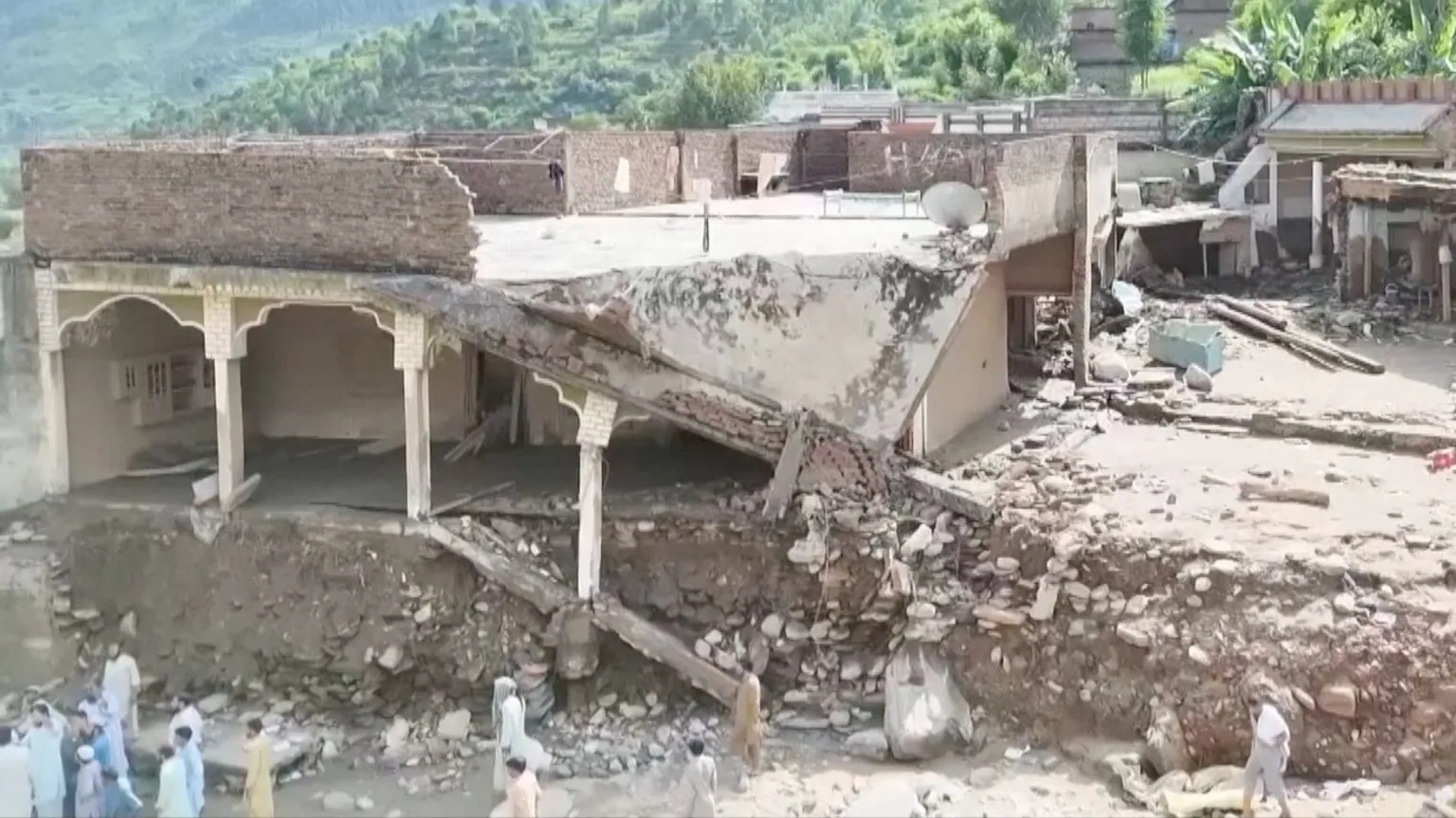
Local eyewitnesses and Afghan authorities reported scenes of devastation, with the hospital reduced to rubble and bodies strewn across the site. Rescue workers and emergency responders scrambled to recover survivors and tend to the wounded amid the chaos.
International Response and Verification
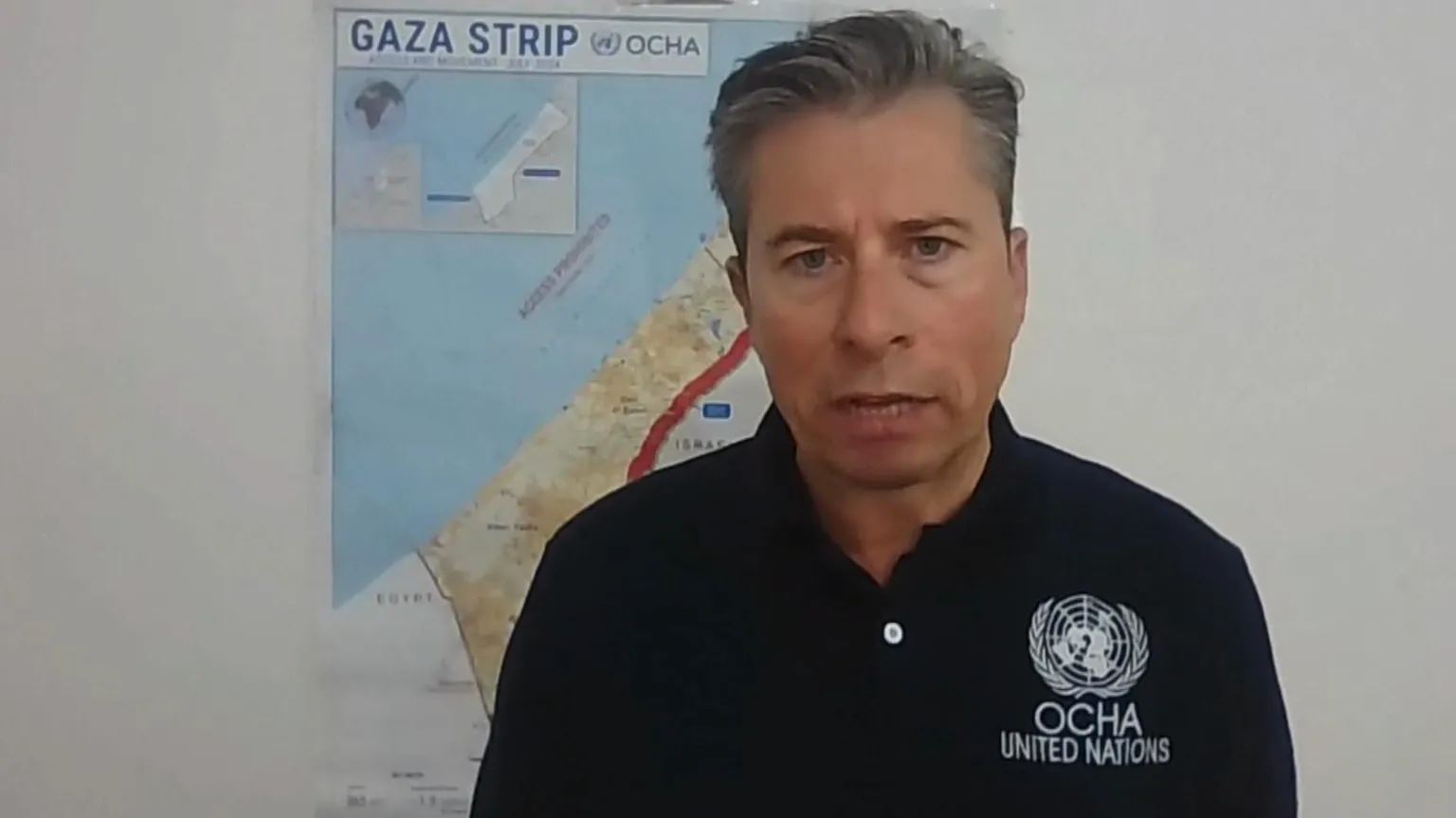
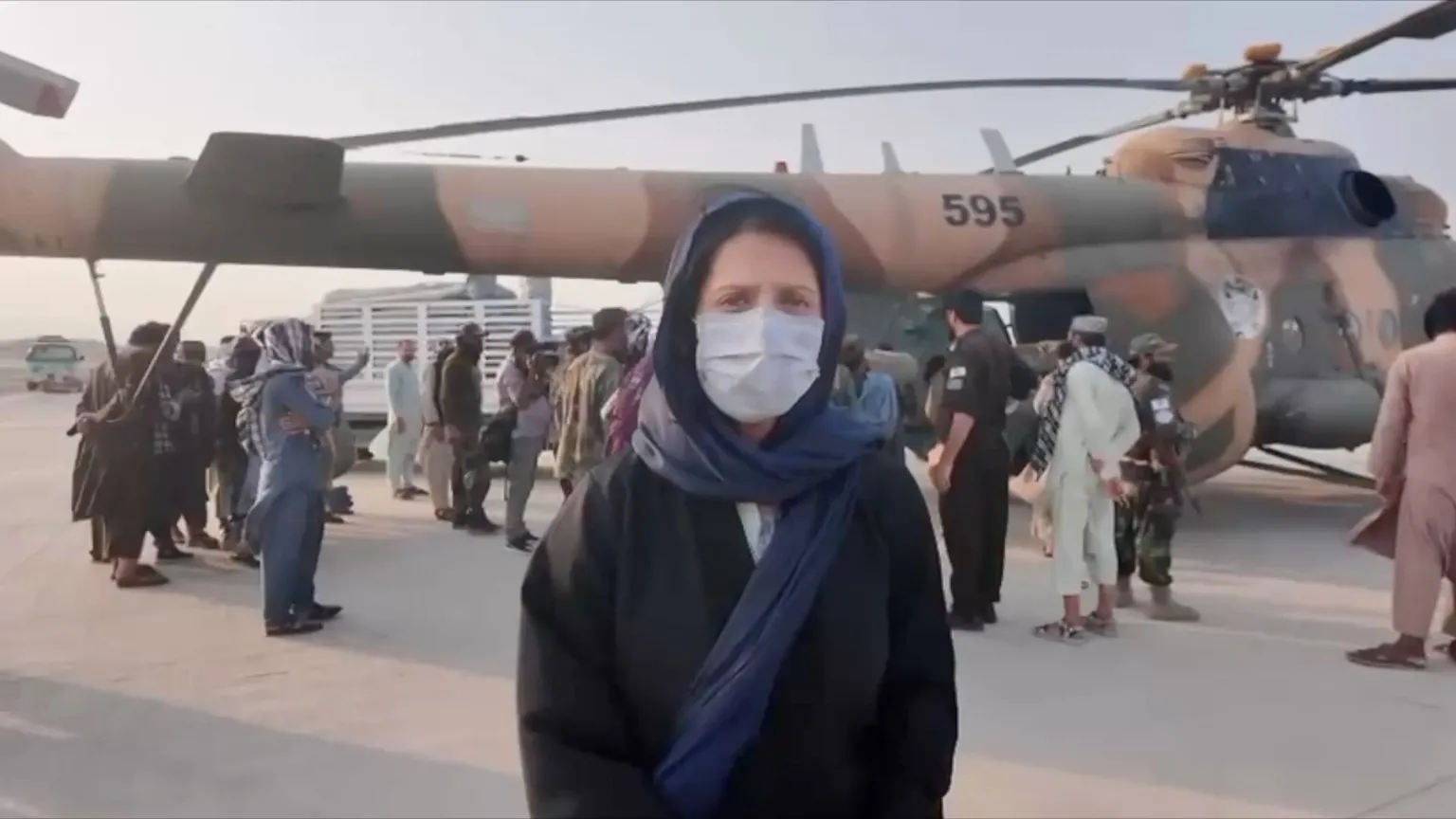
The United Nations swiftly condemned the strike and demanded a thorough investigation. UN officials visited the site and confirmed that the victims were predominantly civilians receiving medical care, underscoring the gravity of the incident.
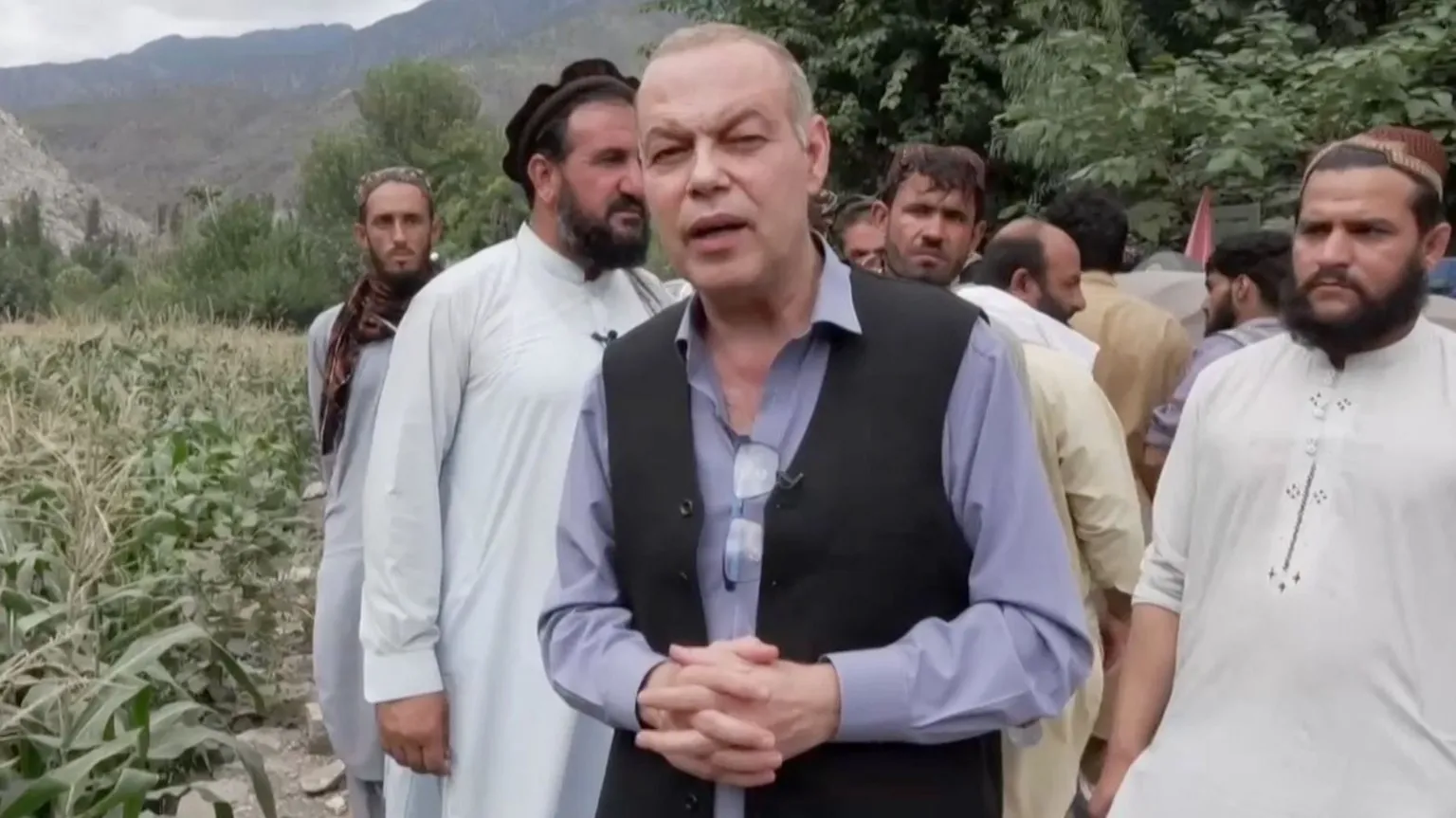
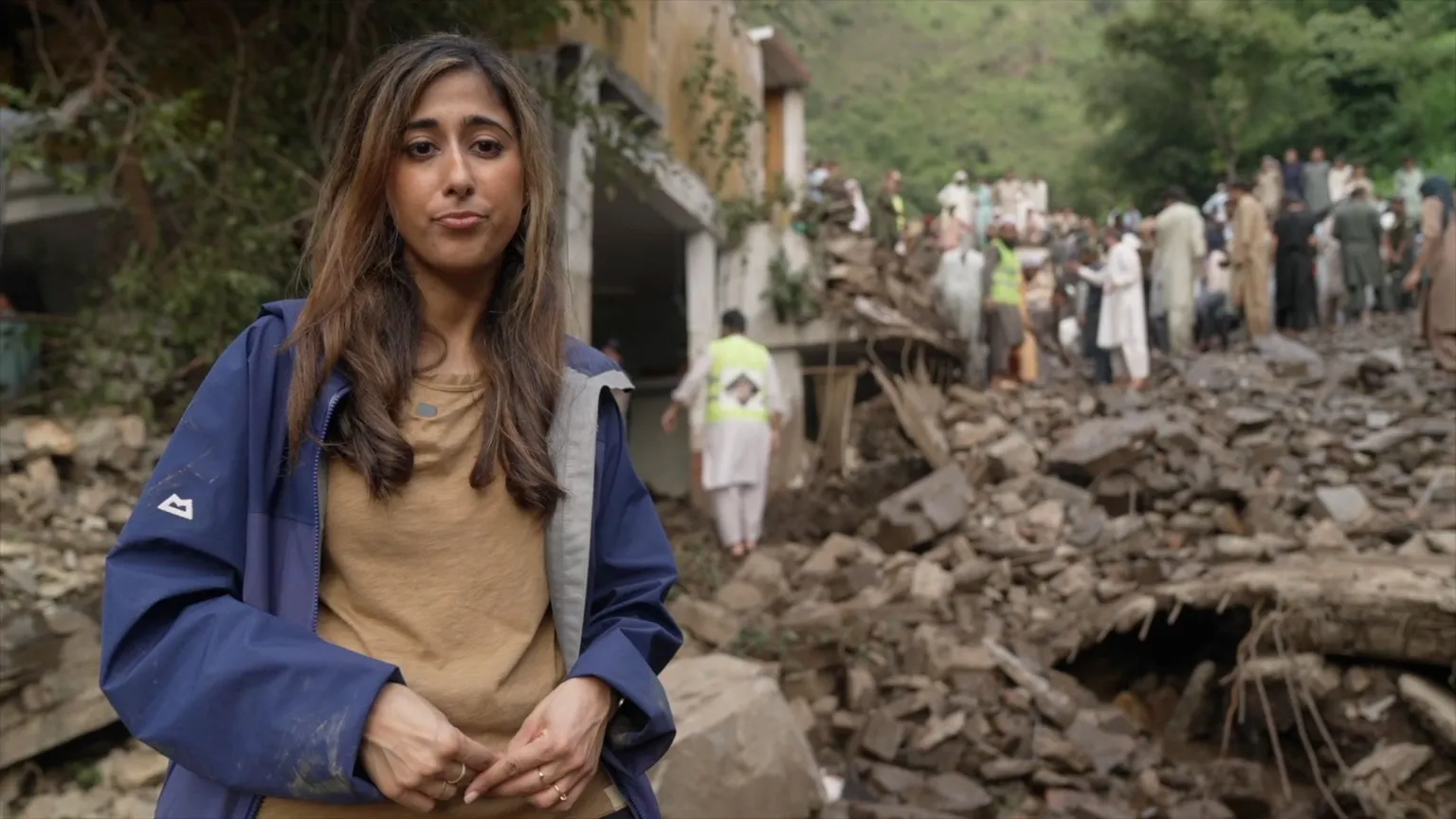
The BBC’s Afghan service teams, who arrived on the ground shortly after the attack, corroborated these findings. Their interviews with over 30 families of the victims painted a harrowing picture of loss and despair. They highlighted the discrepancy between Pakistan’s official narrative and the reality faced by those at the hospital.

The UN’s assessment and independent journalism have amplified calls for accountability and respect for international humanitarian law. Hospitals and medical centres are protected under global conventions, and targeting such facilities is considered a grave violation.

Why This Attack Matters
The bombing of the Omid Drug Rehabilitation Hospital is not just a tragic loss of life—it strikes at the heart of Afghanistan’s fragile healthcare system and the broader regional stability. Drug rehabilitation centres like Omid provide critical services in a country grappling with widespread addiction issues and decades of conflict.

This attack highlights the dangers civilians face amid ongoing tensions between Afghanistan and Pakistan. It underscores the urgent need for transparent communication and stricter safeguards to prevent civilian casualties in military operations.

Moreover, the strike risks inflaming already tense relations between the two neighbouring countries. Pakistan’s claim of targeting terrorist infrastructure must be weighed against the devastating human toll and the evidence presented by multiple independent sources.
For the families mourning their loved ones and for the Afghan people relying on humanitarian aid, the Omid hospital attack is a stark reminder of the persistent vulnerabilities in conflict zones. It calls for renewed international efforts to protect civilian lives and uphold the sanctity of medical facilities during armed conflict.
Looking Ahead: Accountability and Rebuilding
As investigations continue, the international community watches closely for Pakistan’s response and any steps toward reparations or policy changes. Afghan authorities have demanded justice for the victims and stronger measures to prevent similar tragedies.
Rebuilding the Omid Drug Rehabilitation Hospital and restoring trust in healthcare provision will be a monumental challenge. Yet, it is essential for Afghanistan’s recovery and for the wellbeing of its citizens battling addiction and trauma.
This incident should serve as a catalyst for dialogue, diplomatic engagement, and reinforced protections for civilians caught in the crossfire of geopolitical conflicts.

In conclusion, the deadly strike on the Omid Drug Rehabilitation Hospital exposes the human cost of military actions in civilian areas. It emphasizes the vital importance of safeguarding medical facilities and respecting humanitarian principles to prevent further loss of innocent lives in Afghanistan and beyond.