The United Kingdom is grappling with an unprecedented “firewave,” as at least 19 wildfires blaze simultaneously across the country amid the third consecutive heatwave in as many months. This alarming phenomenon has raised urgent concerns about the growing impact of climate change and the increasing frequency of extreme weather events in the UK.

What Is the ‘Firewave’ and Where Are Wildfires Most Intense?
The term “firewave” describes the surge of multiple wildfires erupting simultaneously across a region, overwhelming firefighting resources and threatening communities and ecosystems. The UK, historically known for its moderate climate and limited wildfire incidents, is now experiencing a dramatic shift. The persistent dry conditions combined with soaring temperatures have created a tinderbox environment.
Currently, wildfires are actively burning in at least 19 locations throughout England, Wales, and Scotland. Areas most at risk include heathlands, moorlands, and forested regions that have dried out due to prolonged lack of rainfall. Notable hotspots include parts of the South West, such as Devon and Cornwall, as well as sections of the Scottish Highlands and the Welsh valleys. These regions are particularly vulnerable due to their vegetation type and the accumulation of dry plant matter.
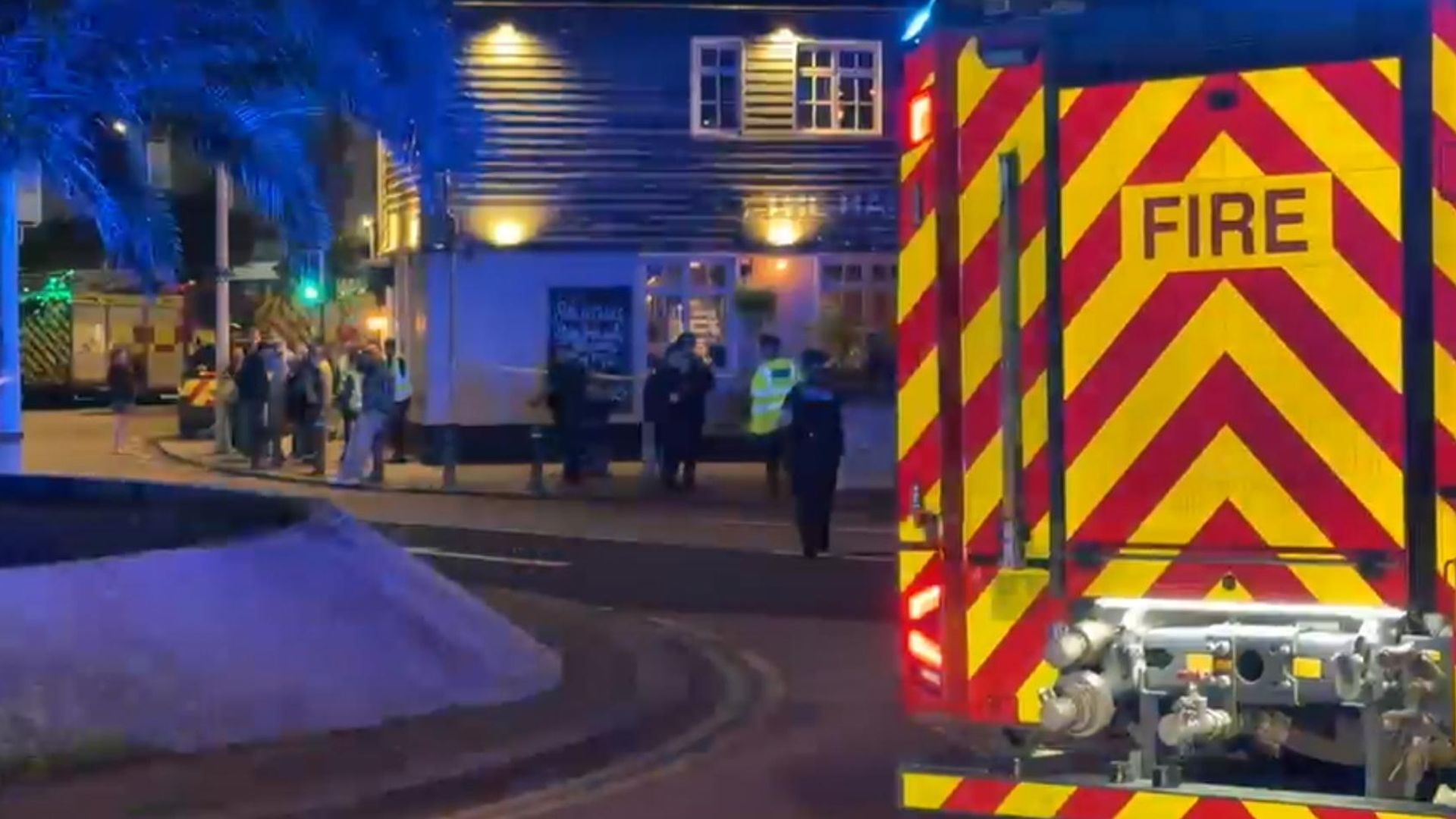
Firefighters are battling these blazes around the clock, with some fires requiring aerial support using water-dumping helicopters and planes. The scale and intensity of these fires are straining local emergency services, prompting warnings for residents to remain vigilant and adhere to fire safety measures.
Why This Firewave Matters: Climate Change and Public Safety
The emergence of a firewave in the UK underscores a troubling shift in the nation’s climate patterns. Traditionally, the UK’s temperate maritime climate kept wildfire risk low. However, the frequency of heatwaves—three major ones in just under three months—signals a trend toward hotter, drier summers reminiscent of Mediterranean climates.
Experts warn that this pattern is consistent with broader climate change models predicting increased heat extremes and prolonged droughts in temperate regions. The combination of high temperatures, low humidity, and dry vegetation creates perfect conditions for fires to ignite and spread rapidly.
Beyond the environmental impact, these wildfires pose significant public health and safety risks. Smoke pollution from large fires can exacerbate respiratory conditions, while evacuation orders disrupt communities. Infrastructure such as roads and power lines can be damaged, complicating emergency responses and recovery efforts.
Local authorities have issued fire risk warnings, urging the public to avoid open flames, properly extinguish cigarettes, and report any signs of smoke or fire immediately. Fire prevention campaigns emphasize the importance of community cooperation during this critical period.
What Comes Next: Preparing for Future Firewaves
As the summer heatwave persists, meteorologists predict continued elevated fire risk across the UK. Emergency services are on high alert, coordinating resources to respond swiftly to new outbreaks. Authorities are also reviewing land management practices, such as controlled burns and vegetation clearance, to reduce fuel loads in vulnerable areas.
Long-term, this “firewave” serves as a wake-up call for policymakers and the public alike to invest in climate resilience. Enhanced monitoring technology, expanded firefighting capacity, and community education will be essential to cope with these emerging hazards.
Moreover, the UK’s experience highlights the urgent need for global action to mitigate climate change. Without significant reductions in greenhouse gas emissions, the frequency and intensity of heatwaves—and associated wildfires—are expected to rise, threatening not only the UK but countless regions worldwide.
Looking Ahead: What This Means for the UK
The ongoing firewave gripping the UK is more than a seasonal anomaly; it signals a profound transformation in the country’s climate risk landscape. Residents, emergency responders, and policymakers must adapt rapidly to this new reality where wildfires are becoming a recurring threat.
Understanding the interconnected factors—rising temperatures, drought, and vegetation dryness—is crucial for developing effective prevention and response strategies. The wildfires currently burning serve as a stark reminder that climate adaptation is no longer optional but essential.
As this summer’s firewave unfolds, the UK stands at a crossroads. Its response will shape how resilient the nation becomes to future climate extremes, safeguarding lives, property, and natural landscapes in the years to come.