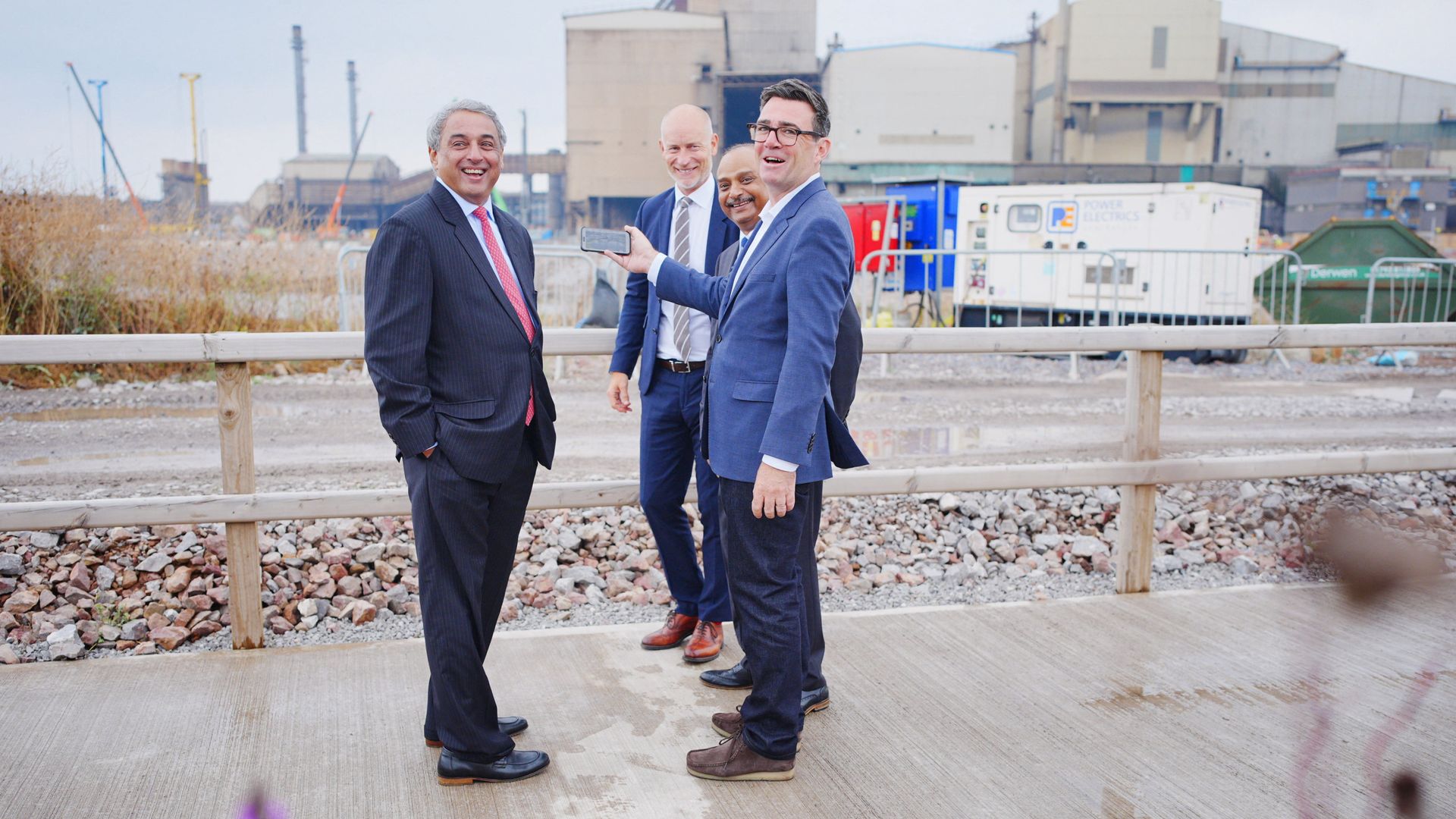
Labour MPs have launched a determined campaign urging Andy Burnham to commit to a bold target: creating one million new jobs in the production sector over the next ten years. This ambitious goal forms a cornerstone of a wider reindustrialisation strategy aimed at revitalizing the UK’s manufacturing base and securing sustainable economic growth.
The Drive for a Manufacturing Revival
Amid ongoing economic uncertainty and global supply chain challenges, the call for a manufacturing renaissance has gained significant momentum. Labour MPs argue that setting a clear, measurable target for job creation in production is essential to reversing decades of industrial decline. They believe that focusing on revitalizing manufacturing will not only stimulate economic growth but also rebuild communities hit hard by factory closures and job losses.
This push aligns with broader political efforts to strengthen the UK’s industrial capabilities, emphasizing sectors such as advanced manufacturing, green technologies, and high-value production. By establishing a target of one million new manufacturing jobs, Burnham and the Labour Party hope to send a clear signal of commitment to economic transformation and job security.
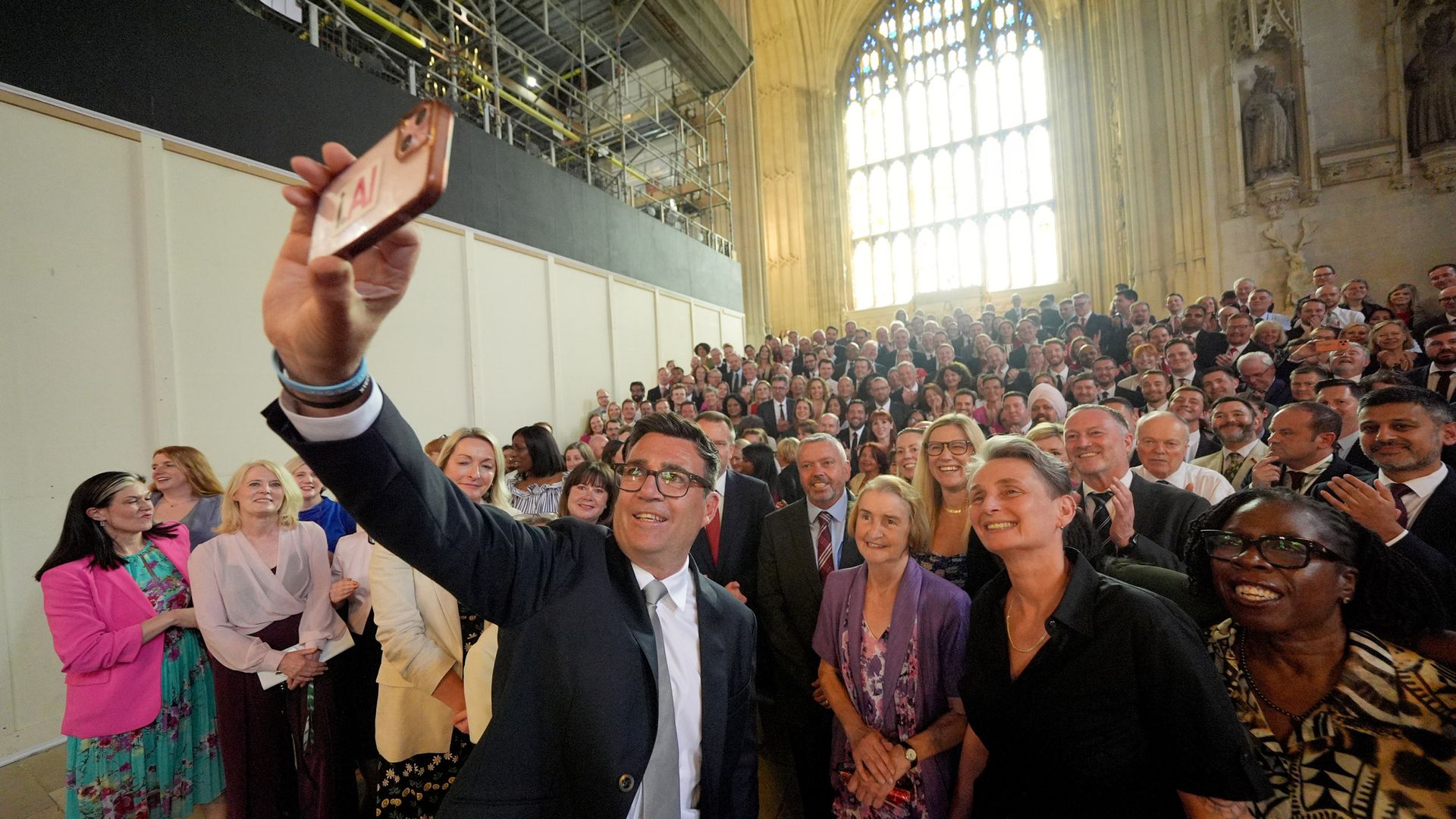
Who Is Andy Burnham and Why Does This Matter?
Andy Burnham, a prominent Labour politician and currently the Mayor of Greater Manchester, has positioned himself as a leading voice for regional economic development and social justice. His influence extends beyond local governance, with many viewing him as a potential future leader capable of shaping national economic policy.
Labour MPs’ demand for Burnham to adopt this job creation target highlights the importance of leadership in delivering meaningful industrial change. Burnham’s support could galvanize efforts across the party and the wider political landscape to prioritize manufacturing as a vital sector for the UK’s economic future.
Moreover, this pledge would resonate strongly with voters in traditional industrial heartlands, where economic regeneration remains a pressing concern. By championing a manufacturing revival, Burnham can address both economic and social inequalities that have widened in recent decades.
What This Means for the UK’s Economic Future
The commitment to create one million new production jobs over the next decade represents more than just a numerical goal—it signals a strategic shift towards sustainable and inclusive growth. Manufacturing jobs tend to offer stable employment with decent wages, supporting families and local economies.
Reindustrialisation efforts could also drive innovation in critical sectors such as renewable energy, electric vehicles, and technology manufacturing. These industries are poised for significant expansion, and investing in them could place the UK at the forefront of the global green economy.
However, achieving this target will require comprehensive policy measures, including investment in skills training, infrastructure development, and incentives for businesses to expand manufacturing capacity domestically. Collaboration between government, industry, and educational institutions will be vital to building a workforce equipped for the demands of modern production.
Labour MPs’ push for Andy Burnham to adopt this pledge underscores the urgency of developing a clear, actionable plan to restore the UK’s manufacturing prowess. Their campaign reflects a growing consensus that economic recovery depends on rebuilding core industries that provide quality jobs and drive innovation.
Looking Ahead: The Path to Industrial Renewal
As the UK faces challenges from global competition, technological change, and environmental pressures, the need for a coherent reindustrialisation strategy becomes ever more critical. Setting bold targets, such as one million new manufacturing jobs, helps focus political will and resources on long-term economic resilience.
If Andy Burnham embraces this pledge, it could catalyze a broader movement within the Labour Party and beyond to prioritize production sector growth as a foundation for prosperity. For communities across the country, this means hope for revitalized economies, reduced unemployment, and a future where industrial skills and innovation thrive.
Ultimately, the success of this initiative will hinge on sustained commitment and effective implementation. The new squad of Labour MPs demanding this pledge are staking their vision on a manufacturing-led revival that could reshape the UK’s economic landscape for decades to come.