Thames Water, one of the UK’s largest water and wastewater service providers, has issued a stark warning about its financial outlook, revealing that its current funding is set to run out by November. The company’s prospects for additional capital hinge significantly on the policies of incoming Prime Minister Andy Burnham, as its principal lenders scramble to stabilize its precarious financial position.
Financial Pressure Mounts as Funding Deadline Looms
Thames Water’s announcement highlights the urgency of its financial challenges. The firm’s major lenders are actively engaged in seeking solutions to secure the company’s future, but these efforts face uncertainty without clear government backing. The funding cliff scheduled for November threatens to cripple Thames Water’s operations unless new financial arrangements or policy interventions materialize.
This situation underscores the critical role of political leadership and regulatory frameworks in sustaining essential public utilities. Thames Water depends heavily on government policy decisions, particularly those expected from the incoming administration led by Andy Burnham, who will influence infrastructure investment and regulatory support mechanisms.
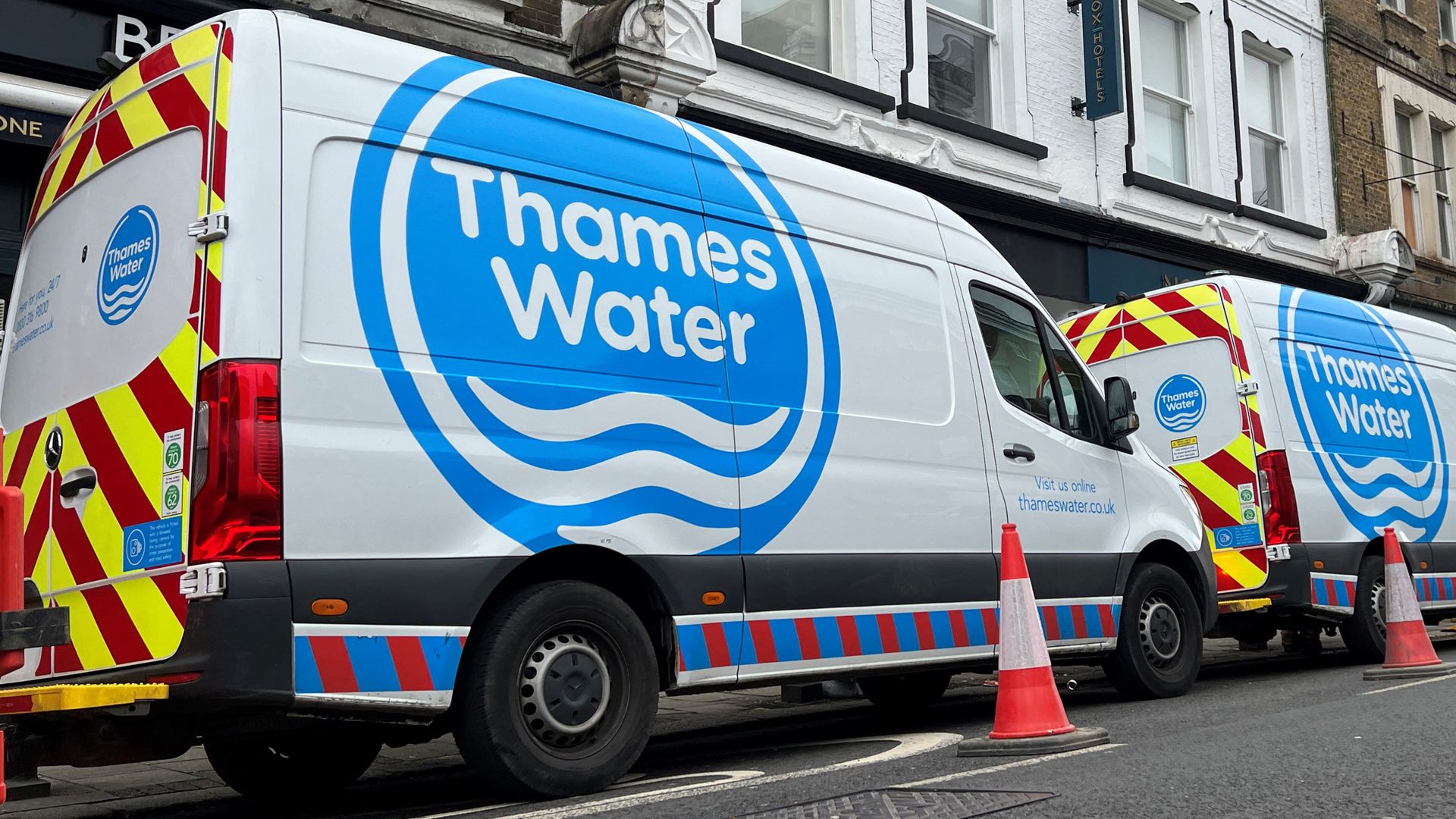
Customer Complaints Surge by Over 100% Amid Service Concerns
Compounding the financial strain, Thames Water has experienced an alarming increase in customer dissatisfaction. Complaints have surged by an astonishing 101%, signaling growing public frustration with the company’s service quality. These complaints likely stem from issues such as water supply disruptions, billing disputes, and environmental concerns related to wastewater management.
The spike in grievances reflects broader challenges facing the water sector, including aging infrastructure, regulatory pressures, and rising operational costs. For Thames Water, this surge not only damages its public reputation but also places additional pressure on management to improve service reliability while navigating financial constraints.
Why This Matters: The Broader Impact on Consumers and Infrastructure
The potential funding shortfall at Thames Water is more than a corporate finance issue; it has direct implications for millions of consumers and the environment. As one of the UK’s largest water utilities, Thames Water serves millions of households and businesses, providing an essential resource that underpins daily life and economic activity.
If funding gaps are not addressed, critical infrastructure projects may stall, leading to increased risks of water shortages, sewage overflows, and environmental damage. Such outcomes would exacerbate public dissatisfaction and could trigger regulatory penalties, further destabilizing the company’s finances.
Moreover, the situation places a spotlight on the importance of political leadership in managing public utilities. Andy Burnham’s upcoming administration faces a significant test in balancing fiscal responsibility with the need to safeguard vital infrastructure and maintain public trust.
Looking Ahead: What Comes Next for Thames Water?
As November approaches, Thames Water’s fate will largely depend on negotiations with its lenders and the policy direction set by the new government. Stakeholders will be closely monitoring developments to assess whether the company can secure the necessary funding to continue operations uninterrupted.
In parallel, Thames Water must address the root causes of the surge in customer complaints by enhancing service delivery and communication. Restoring consumer confidence will be essential for the company’s long-term stability and success.
Thames Water’s financial and operational challenges highlight the complex interplay between infrastructure funding, regulatory policy, and consumer satisfaction. The coming months will be critical in determining whether the company can navigate these hurdles and ensure reliable water services for the UK public.