Parts of England are experiencing unprecedented dry conditions, marking the longest continuous period without measurable rainfall since the mid-1990s. This extended dry spell highlights growing concerns over water scarcity and climate variability across the region.
Historic Drought Conditions Sweep England
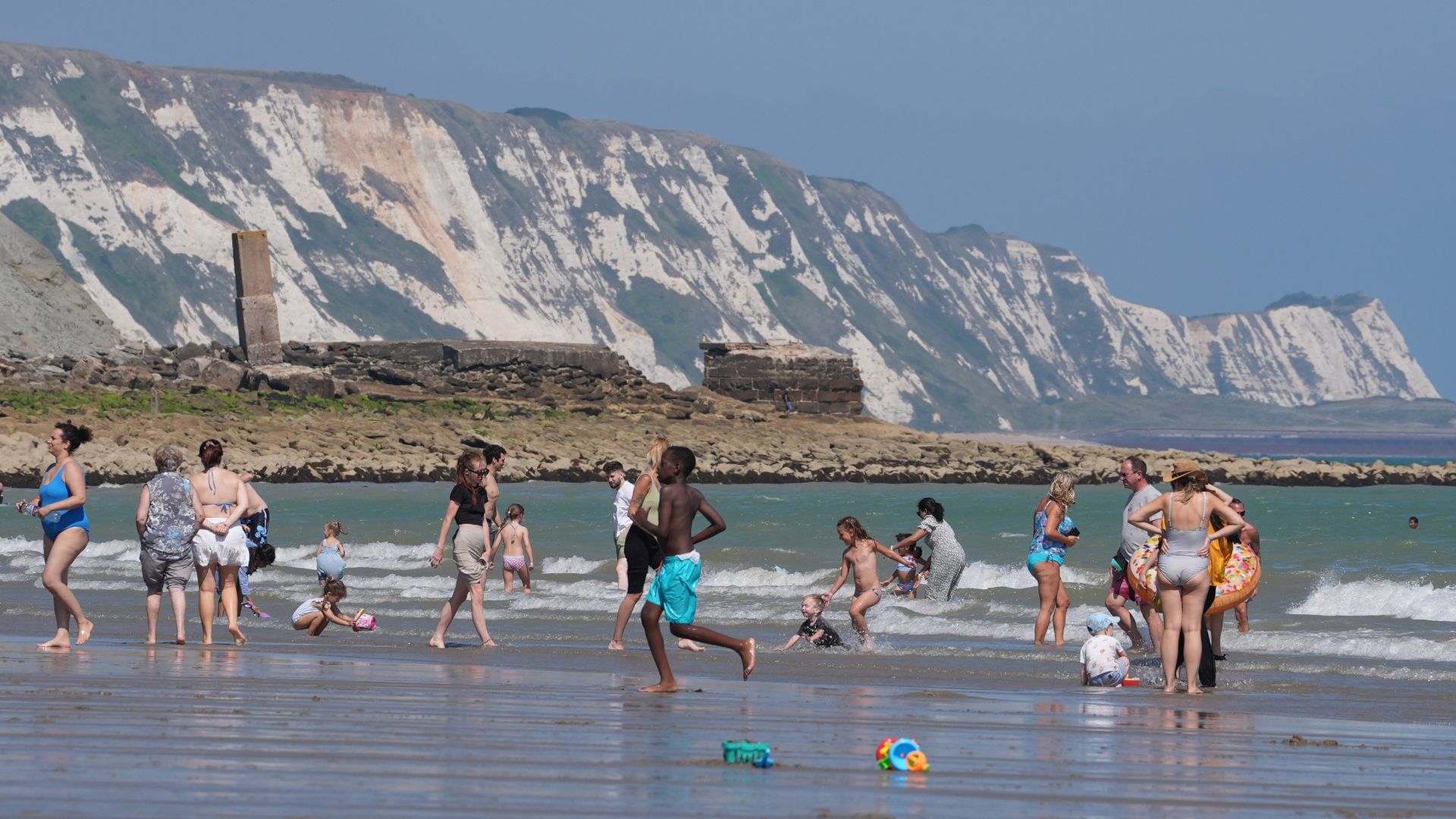
Recent meteorological data reveal that several areas in England have gone weeks without any recorded rainfall, a phenomenon last seen more than two decades ago. This prolonged dryness is unusual for a country known for its typically wet climate, especially during the spring and early summer months.
The absence of rain has triggered alarm among environmental experts and local authorities, who warn that such dry stretches could exacerbate water shortages, impact agriculture, and strain natural ecosystems. Regions in southern and eastern England are particularly affected, facing soil moisture deficits and dwindling reservoir levels.
Why This Dry Spell Matters
England’s climate has historically featured regular rainfall, which supports its rich agricultural sector and sustains urban water supplies. The current extended dry period disrupts this balance, posing multiple challenges.
Farmers rely heavily on consistent rainfall patterns to maintain crop yields and pasture conditions. Without sufficient precipitation, crops may suffer, leading to reduced harvests and potential economic losses. Additionally, dry soils increase the risk of wildfires, which can threaten both rural and suburban communities.
Water resource managers face mounting pressure to implement conservation measures and manage reservoirs carefully. Prolonged dry spells can reduce river flows and groundwater recharge, limiting water availability for households, industry, and ecosystems.
What This Means for the Future
The current dry spell serves as a stark reminder of the vulnerability of England’s water systems to changing climate patterns. Scientists emphasize that such extended periods without rainfall could become more frequent and severe as global temperatures rise.
Local governments and environmental agencies may need to accelerate investments in sustainable water management, including improved storage infrastructure, leak reduction, and public awareness campaigns encouraging water conservation.
Understanding and adapting to these climatic shifts is crucial to safeguarding England’s environment and economy. As the country faces this rare dry spell, it underscores the broader imperative to address climate resilience and sustainable resource use.
While the long-term outlook remains uncertain, monitoring these trends will be essential for preparing communities and ecosystems for future weather extremes. The current lack of rain is not just a temporary inconvenience but a signal of evolving environmental challenges.
England’s longest dry spell since the 1990s highlights the urgent need for adaptive strategies to manage water resources in a changing climate.