In a pioneering move, the NHS is launching a large-scale trial to determine whether artificial intelligence (AI) can improve the early detection of breast cancer. This initiative aims to assess if AI analysis of mammogram scans can identify signs of cancer sooner than traditional methods, potentially saving thousands of lives.
The Scope of the NHS Breast Cancer AI Trial
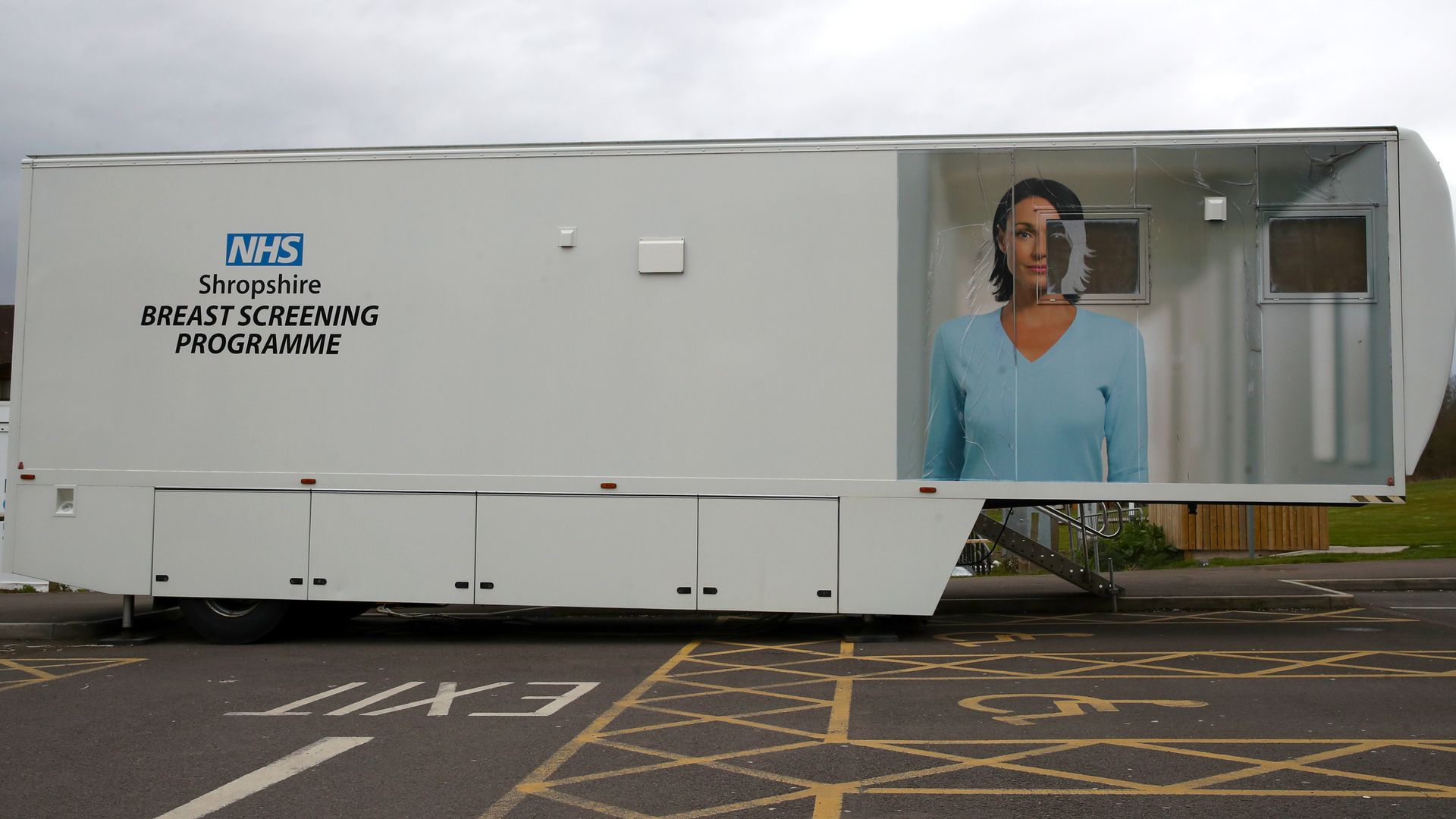
The trial will involve hundreds of thousands of women who participate in the NHS breast cancer screening programme across the UK. Breast cancer remains one of the most common cancers among women, and early diagnosis significantly increases the chances of successful treatment. Currently, radiologists manually review mammogram images to detect signs of cancer, a process that can sometimes be time-consuming and prone to human error.
By integrating AI technology into the screening process, the NHS hopes to enhance the accuracy and speed of cancer detection. The AI system will analyze mammogram scans and highlight abnormalities that may indicate early-stage breast cancer. These AI assessments will then be compared to the results from conventional screening methods to evaluate effectiveness.
Why AI Could Transform Breast Cancer Screening
Artificial intelligence has demonstrated remarkable potential in medical imaging by identifying patterns too subtle for the human eye. In breast cancer detection, AI algorithms can process vast amounts of data quickly and consistently, reducing the likelihood of missed diagnoses or false positives. This technological advancement could revolutionize how screening services operate, making them more efficient and reliable.
The NHS trial represents one of the largest studies globally to test AI in breast cancer screening at scale. If successful, AI-assisted screening could lead to earlier interventions, reducing the need for invasive treatments and improving survival rates. Moreover, automating part of the screening process may alleviate the workload on radiologists, allowing them to focus on complex cases.
What This Means for Patients and the Healthcare System
For women undergoing routine breast cancer screening, the adoption of AI could mean more accurate results delivered faster. Early detection often translates to less aggressive treatment and better outcomes, underscoring the potential life-saving impact of this technology.
From a healthcare perspective, integrating AI could reduce costs associated with late-stage cancer treatments and improve resource allocation within the NHS. However, the trial will carefully evaluate not only the accuracy of AI but also its safety, reliability, and the ethical considerations surrounding its use in clinical settings.
Experts emphasize that AI will not replace radiologists but rather serve as a powerful tool to augment their expertise. The partnership between human clinicians and AI technology aims to combine the strengths of both to provide the best possible care for patients.
The Road Ahead: What to Expect
The NHS trial is expected to provide comprehensive data on the performance of AI in breast cancer screening over the coming months. Researchers will analyze how often AI detects cancers earlier than human reviewers and whether it reduces false alarms that can cause unnecessary anxiety and procedures.
Should the results prove positive, the NHS may implement AI-assisted screening nationwide, setting a new standard in cancer diagnosis. This could also pave the way for AI applications in detecting other types of cancer and diseases, marking a significant step forward in medical technology.
In conclusion, the NHS’s commitment to testing AI’s role in breast cancer detection highlights a transformative moment in healthcare. By harnessing cutting-edge technology, this trial offers hope for earlier diagnoses, improved patient outcomes, and a more efficient screening process. The results will be closely watched by the medical community and patients alike, as they could redefine cancer screening for years to come.