A groundbreaking study reveals that focal therapy, a less invasive treatment for prostate cancer, delivers outcomes comparable to traditional radiotherapy and surgery while significantly reducing side effects. This advancement could transform how prostate cancer patients approach their treatment options, prioritizing quality of life alongside cancer control.
What Is Focal Therapy and How Does It Compare?
Prostate cancer, one of the most common cancers among men worldwide, is typically treated with radical methods such as surgery (prostatectomy) or radiotherapy. While effective in eradicating cancer, these treatments often carry debilitating side effects, including urinary incontinence, erectile dysfunction, and bowel problems. These impacts can substantially diminish a patient’s quality of life.
Focal therapy emerges as a targeted alternative, focusing treatment only on the cancerous portion of the prostate rather than the entire gland. This approach aims to preserve healthy tissue, thereby reducing the risk of adverse effects. The study in question rigorously compared focal therapy outcomes with those of radiotherapy and surgery, analyzing both cancer control and patient-reported side effects.
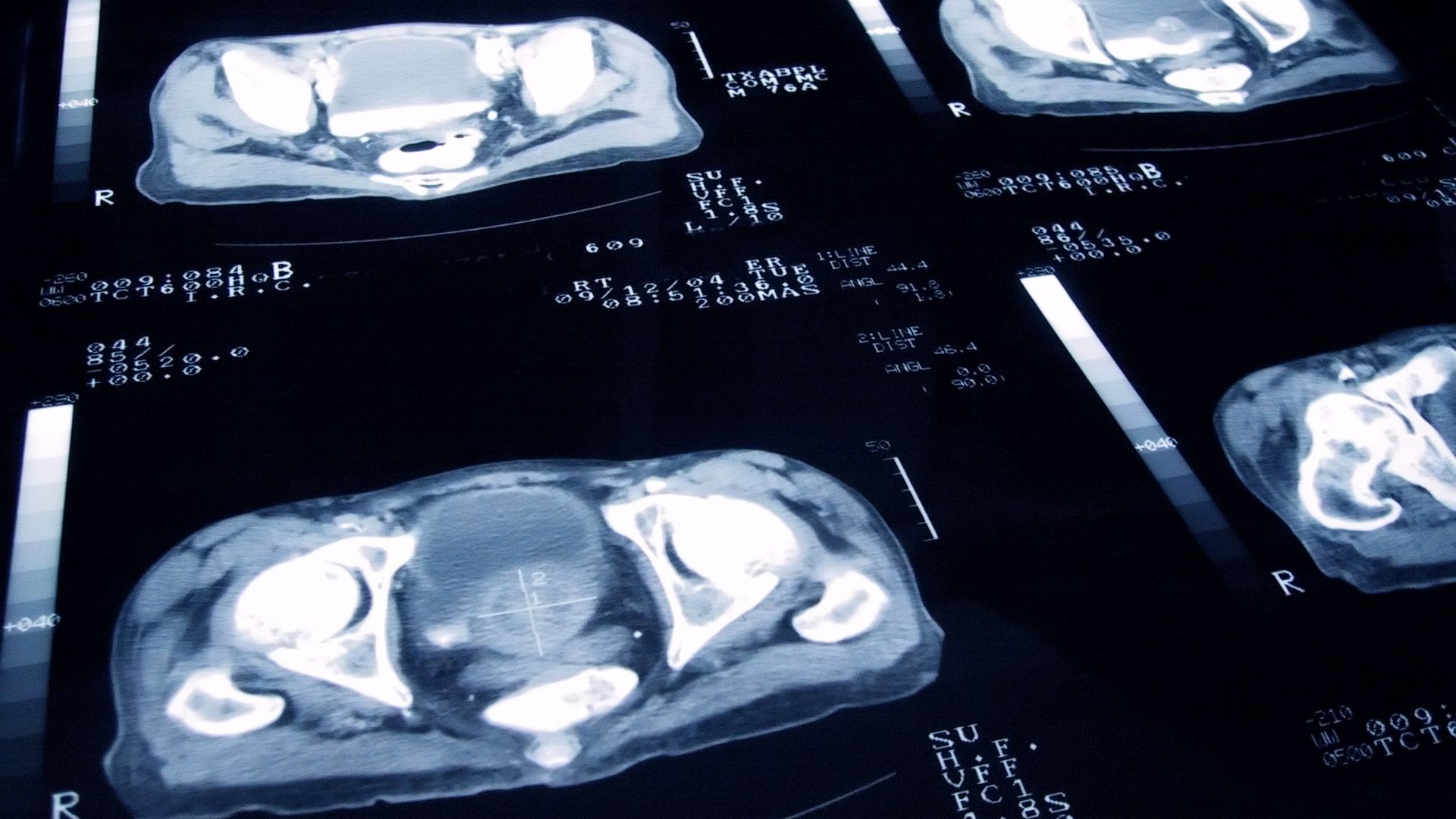
The results demonstrated that focal therapy achieves similar rates of cancer control, with patients showing no increased risk of recurrence or progression compared to conventional treatments. Crucially, those undergoing focal therapy experienced fewer complications and maintained better urinary and sexual function, marking a significant improvement in post-treatment quality of life.
Why This Study Matters for Prostate Cancer Patients
Prostate cancer treatment decisions often weigh heavily on balancing effectiveness against potential side effects. For many men, the prospect of losing urinary control or sexual function leads to hesitation or distress when considering surgery or radiotherapy. The introduction of focal therapy as a validated, effective option offers new hope for minimizing these life-altering consequences.
Moreover, focal therapy’s minimally invasive nature typically means shorter hospital stays, reduced recovery times, and lower overall healthcare costs. This can ease the burden on healthcare systems and patients alike, making prostate cancer management more accessible and patient-centered.
Experts emphasize that not every prostate cancer case is suitable for focal therapy. This treatment tends to be most appropriate for men with localized, low- to intermediate-risk prostate cancer, where the tumor is confined to a specific area of the gland. Comprehensive diagnostic imaging and biopsy techniques play a critical role in identifying ideal candidates.
Looking Ahead: The Future of Prostate Cancer Treatment
The study’s findings pave the way for broader adoption of focal therapy in clinical practice, potentially reshaping prostate cancer treatment guidelines. Ongoing research will continue to refine patient selection criteria, optimize treatment protocols, and monitor long-term outcomes to ensure sustained cancer control.
For patients diagnosed with prostate cancer, these developments underscore the importance of informed discussions with healthcare providers about all available treatment options. Considering factors such as cancer stage, personal health, and lifestyle goals can help tailor therapy choices that maximize both survival and quality of life.
As focal therapy gains acceptance, it represents a promising leap forward in prostate cancer care—delivering effective treatment with a gentler impact on patients’ lives.