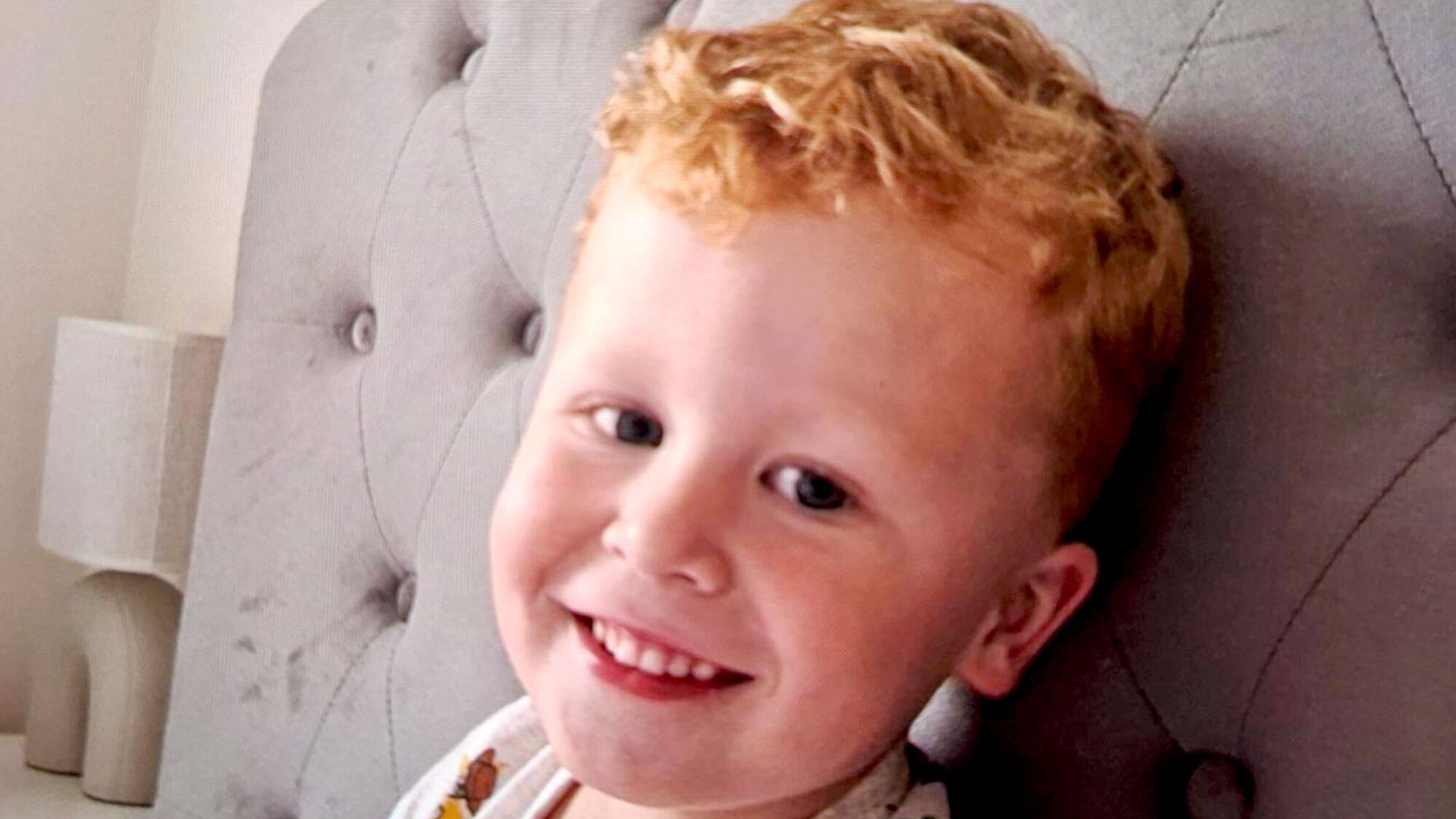
The family of Henry Nowak has expressed deep disappointment following the sentencing of his killer’s mother to three years in prison for assisting an offender. This development marks a significant chapter in the pursuit of justice for Henry, whose tragic death has weighed heavily on his loved ones and the wider community.
Background: The Case of Henry Nowak and the Role of the Killer’s Mother
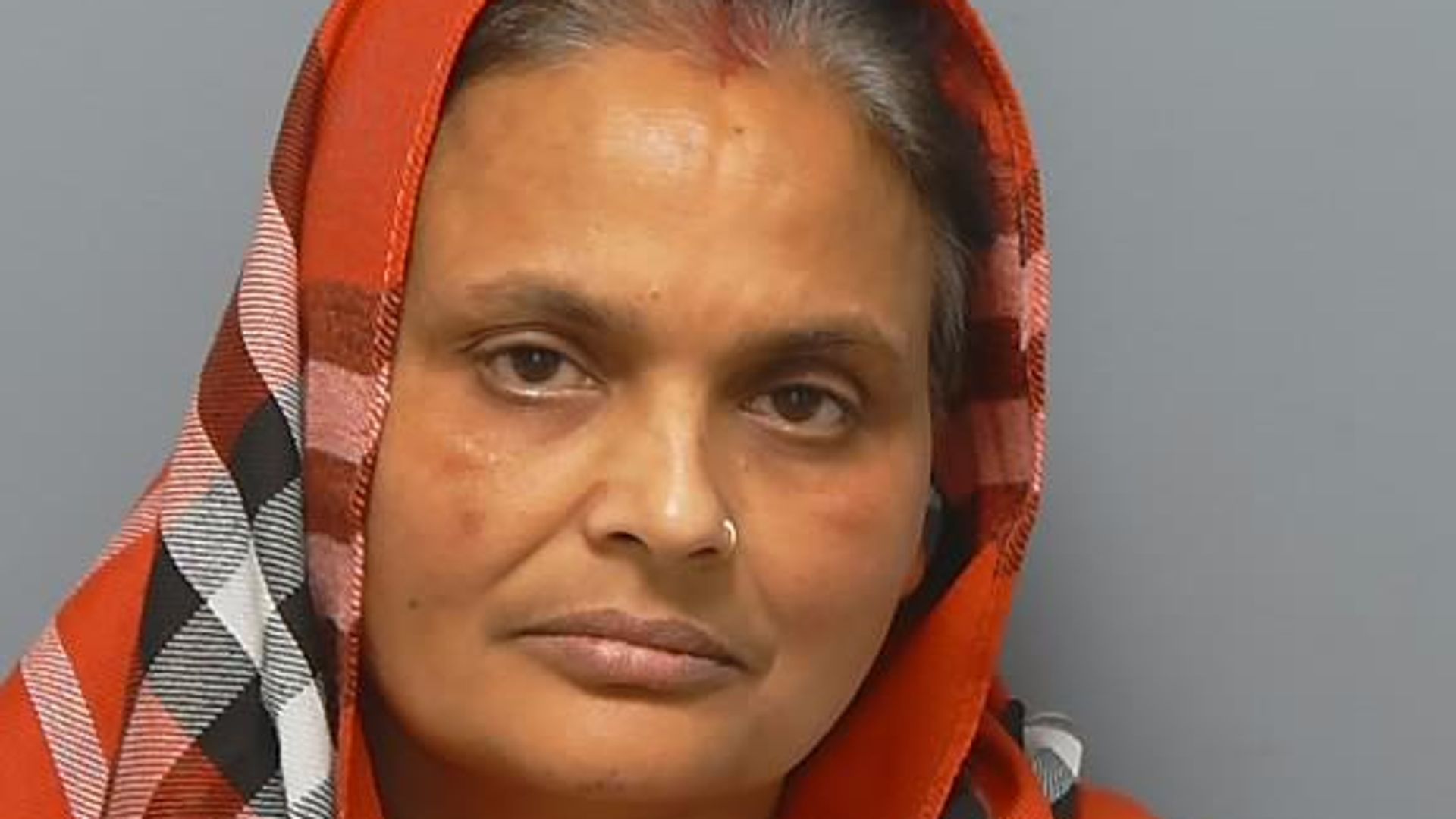
Henry Nowak’s death sent shockwaves through his community, sparking an intense investigation that eventually led to the arrest and conviction of his killer. However, the legal proceedings did not end there. Authorities discovered that the mother of the convicted killer had actively helped her son evade law enforcement, leading to her own criminal charges.
She was found guilty of assisting an offender, a serious offense that carries significant penalties. The court sentenced her to three years in prison, underscoring the judiciary’s commitment to upholding accountability not only for the primary crime but also for any attempts to obstruct justice.
The Family’s Response: A Statement of Disappointment and Justice Sought
In a heartfelt statement, Henry Nowak’s family conveyed their profound disappointment upon hearing the sentencing outcome. Their emotions reflect the pain and frustration experienced during a long and arduous legal battle. While the sentence recognizes wrongdoing, the family’s reaction highlights their desire for a more comprehensive sense of justice.
The family’s statement serves as a reminder of the lasting impact of Henry’s death on those closest to him. It also demonstrates their resolve to see the full truth come to light and to ensure that all parties involved are held responsible for their actions.
Why This Matters: The Broader Implications for Justice and Accountability
The sentencing of the killer’s mother illuminates the broader issues surrounding criminal accountability and the role families may play in the aftermath of violent crimes. It sends a clear message that aiding offenders carries legal consequences and that the justice system will pursue all individuals who contribute to obstructing investigations.
This case also raises important questions about the challenges law enforcement faces when offenders receive assistance from close relatives. The legal precedent set here may deter similar behavior and encourage cooperation with authorities in future cases.
For the Nowak family and the community, the sentencing is a step forward, but it also reflects the complex emotions involved in seeking closure. It underscores the importance of comprehensive legal processes that address every facet of criminal activity and its ripple effects.
Looking Ahead: The Path to Healing and Justice
While the three-year sentence for assisting an offender marks a significant milestone in this case, the journey toward healing for Henry Nowak’s family continues. Their public statement reveals both the pain left in the wake of loss and their unwavering commitment to justice.
As the legal system moves forward, the Nowak family’s experience highlights the critical need for support systems for victims’ families and ongoing vigilance in ensuring all aspects of a crime are thoroughly addressed. It also serves as a powerful example of how justice extends beyond the primary perpetrator to encompass those who attempt to shield them.
Ultimately, the Nowak family’s response and the court’s decision reinforce the principle that accountability is essential for community trust in the justice system and for honoring the memory of victims like Henry.