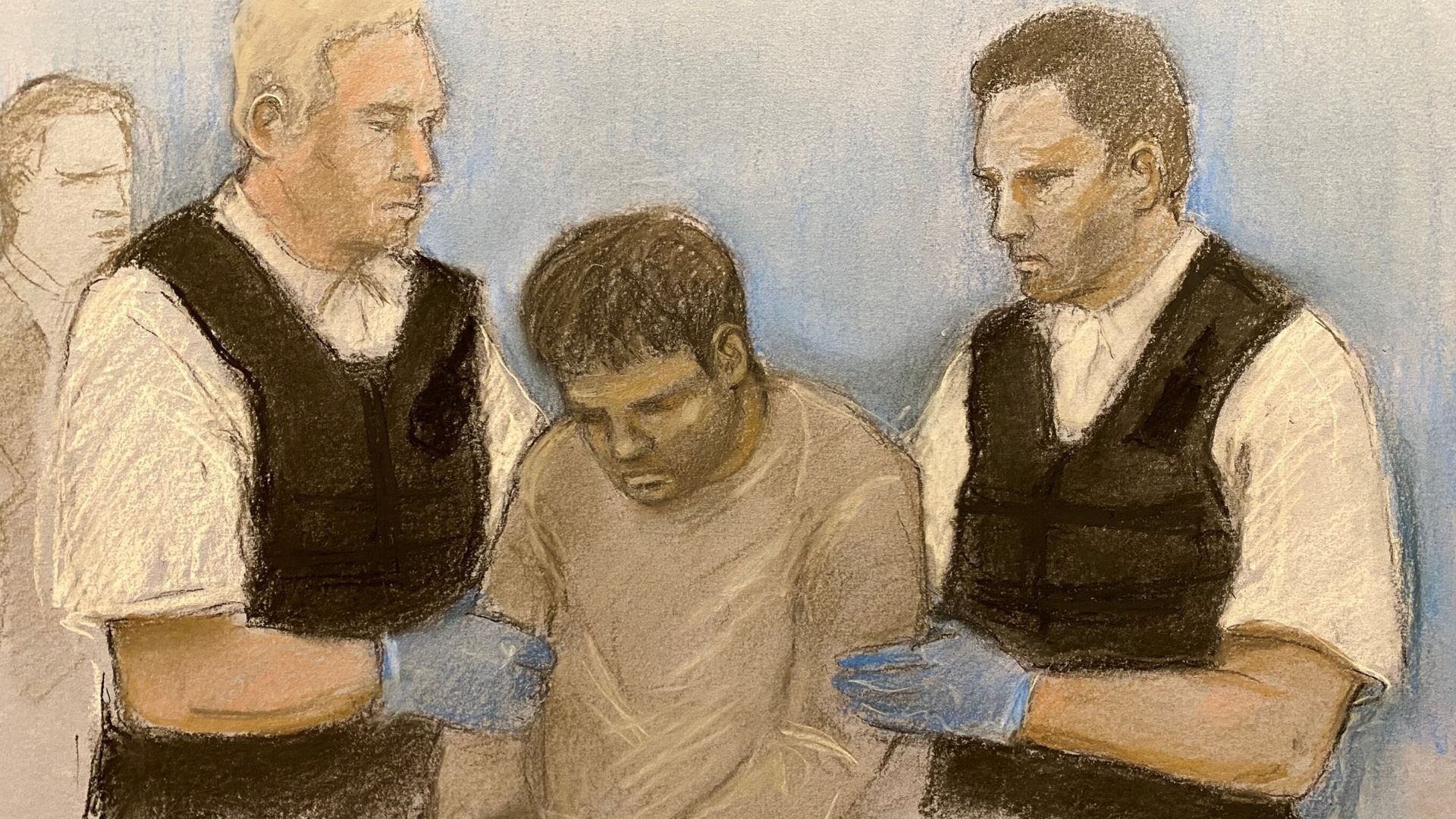
A jury has been unable to deliver a verdict on the second attempted murder charge against an Afghan refugee accused of a violent knife attack targeting a 14-year-old boy. This indecision leaves critical questions unresolved in a case that has gripped the local community and raised concerns over public safety and the handling of refugee integration.
The Incident and Charges Explained
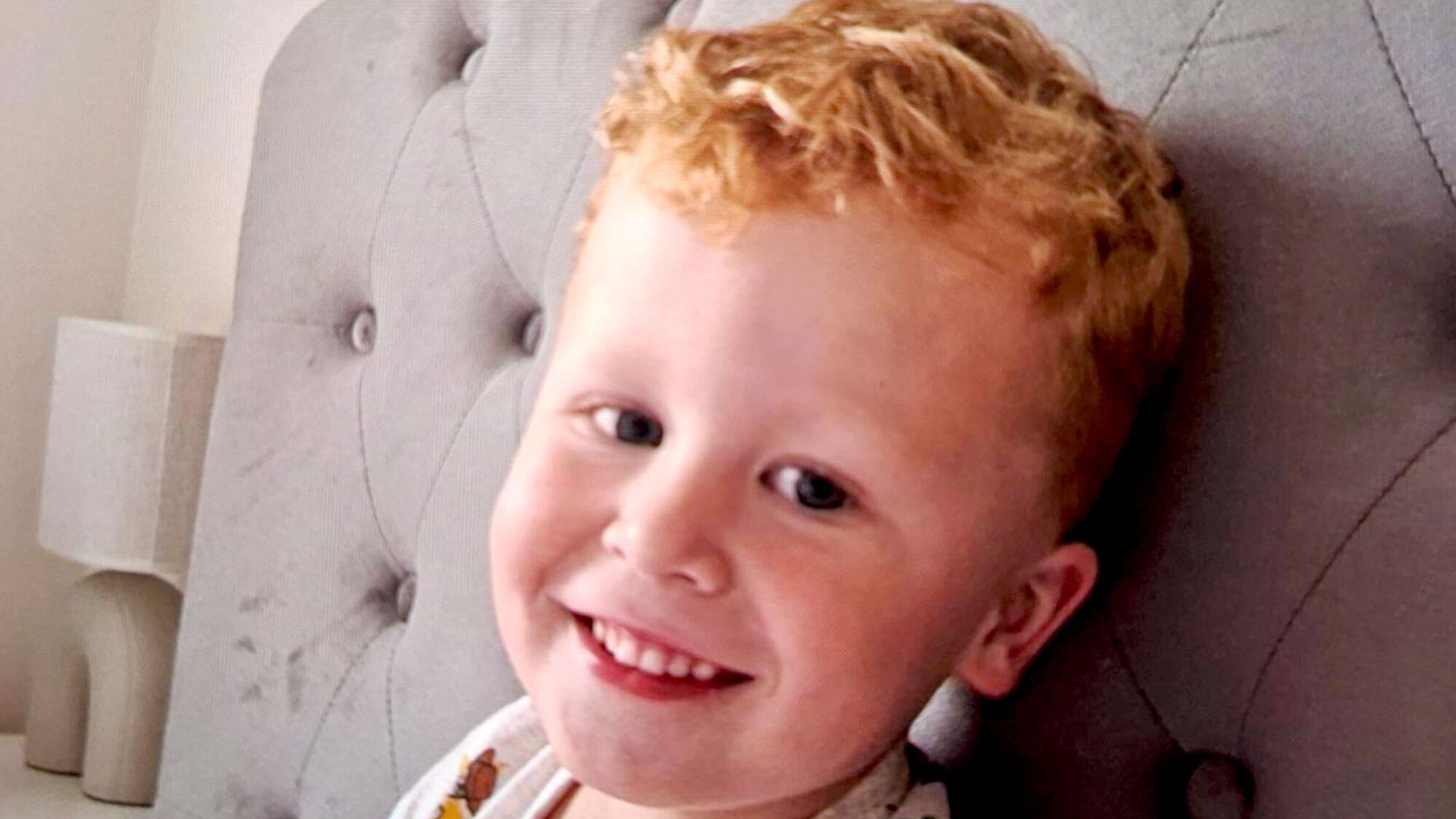
The trial centers on a harrowing incident in which a teenage boy was allegedly the victim of a brutal knife assault. Authorities charged the accused refugee with multiple counts, including two counts of attempted murder. The first count resulted in a verdict, but the jury has now reached an impasse regarding the second charge.
Details about the attack reveal a sudden and violent rampage that left the community shaken. The victim, only 14 years old, sustained serious injuries, and the case has sparked intense public discourse about crime and refugee policies in the region.
Why the Jury’s Failure to Reach a Verdict Matters
When a jury cannot agree on a verdict, it is known as a hung jury. This situation often leads to a mistrial on the specific charge, forcing prosecutors to decide whether to retry the case. The deadlock in this trial means that justice remains uncertain for the victim and his family, prolonging their ordeal and complicating the legal process.
The jury’s inability to reach consensus reflects the complexity of the evidence presented, the challenges in interpreting intent in violent crimes, or possibly juror disagreement on the defendant’s culpability. This outcome underscores the difficulties courts face when adjudicating cases involving serious charges and vulnerable defendants such as refugees, who may have complicated backgrounds and experiences.
Broader Implications: Refugee Integration and Community Safety
This trial has reignited debate about refugee resettlement policies and the balance between humanitarian aid and community protection. As more refugees arrive seeking safety and new lives, incidents like this fuel public anxiety and political pressure for stricter controls and enhanced screening processes.
At the same time, advocates caution against drawing broad conclusions from individual cases. They emphasize the importance of support systems, mental health services, and community engagement programs that help refugees integrate successfully and reduce the risk of violence and alienation.
For the local community, the trial’s unresolved outcome means lingering uncertainty. Residents demand clarity and reassurance that safety measures are effective and that the justice system can address both victims’ rights and defendants’ circumstances fairly.
What Comes Next in the Legal Process?
Following the jury’s failure to reach a verdict on the second charge, the prosecution must decide whether to pursue a retrial or drop the charge. Retrials can be costly and emotionally taxing for all parties involved, but they also provide an opportunity to seek a definitive resolution.
The defense may view the hung jury as a partial victory, potentially influencing plea negotiations or future trial strategies. Meanwhile, the victim’s family awaits closure, hoping the legal system will eventually deliver a clear verdict.
Until a final decision is made, the case remains a focal point for discussions about crime, justice, and the challenges of integrating refugees into communities while protecting public safety.
Takeaway: Balancing Justice and Community Concerns
The jury’s deadlock in this high-profile case highlights the complexities inherent in prosecuting serious violent crimes, especially when the defendant is an individual with a refugee background. It shines a light on the need for a justice system that can navigate these nuances with precision and fairness.
At the same time, the case underscores the broader societal challenge of ensuring that communities remain safe while providing refugees with the support they need to rebuild their lives. As this legal saga continues, it serves as a reminder that achieving justice and social cohesion requires careful, informed, and compassionate approaches.
Full details about the next steps in the case have not yet been released.