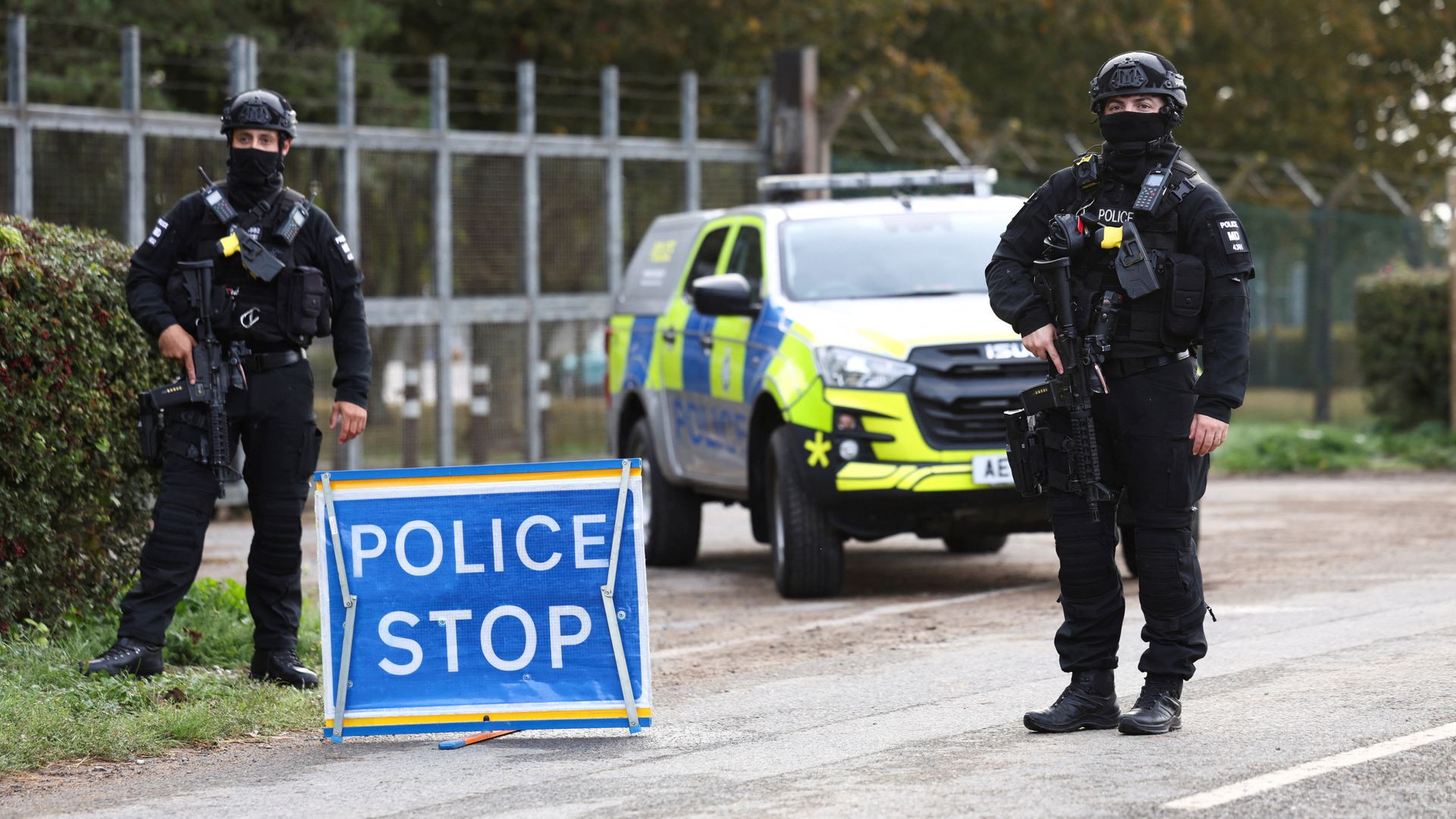
A tragic stabbing on Remembrance Sunday ended with a grandfather’s life lost, as a man suffering from schizoaffective disorder was sentenced to an indefinite hospital order. The attack, described as entirely random, has raised urgent questions about mental health management and public safety.
The Incident: A Sudden and Deadly Attack
On Remembrance Sunday, a day dedicated to honoring those who served in the armed forces, the community was shaken by a violent knife attack. The victim, a grandfather, was targeted without warning or apparent motive, leaving families and witnesses in shock. Authorities quickly intervened, but the assault proved fatal, underscoring the brutal nature of the crime.
The man responsible was found to be living with schizoaffective disorder, a complex mental health condition that combines symptoms of schizophrenia and mood disorder. This diagnosis played a pivotal role in the legal proceedings, influencing both the verdict and the sentencing.

Legal Outcome: Indefinite Hospital Order Reflects Mental Health Considerations
Following a thorough court process, the perpetrator was not sentenced to prison but instead was placed under an indefinite hospital order. This legal measure ensures that the individual will receive continuous psychiatric treatment within a secure medical facility rather than a conventional correctional institution.
Indefinite hospital orders are reserved for cases where the offender poses a significant ongoing risk to themselves or the public due to their mental health condition. This approach aims to balance public safety with the need for compassionate, specialized care that addresses the root causes of violent behavior in mentally ill offenders.
The use of such orders highlights the criminal justice system’s recognition of mental health disorders in violent crimes and the necessity for tailored interventions that go beyond traditional incarceration.
Why This Case Matters: Mental Health, Public Safety, and Prevention
This heartbreaking incident illuminates the critical intersection between mental health and public safety. Schizoaffective disorder, like other severe psychiatric illnesses, can sometimes lead to unpredictable and dangerous behaviors if not adequately managed.
It raises pressing questions about the availability and effectiveness of mental health services, especially for individuals at risk of harming themselves or others. Early intervention, continuous treatment, and community support are vital to preventing similar tragedies.
Moreover, the random nature of the attack on a symbolic day like Remembrance Sunday amplifies the emotional impact on the community, emphasizing the need for vigilance and robust mental health care frameworks.
Looking Ahead: Lessons and Implications
This case serves as a stark reminder that mental health disorders require serious attention within both healthcare and legal systems. It stresses the importance of integrating psychiatric care with public safety policies to protect vulnerable individuals and society at large.
While the indefinite hospital order ensures the perpetrator receives necessary treatment, it also prompts ongoing dialogue about how to better identify and manage high-risk individuals before violent incidents occur.
Communities must advocate for enhanced mental health resources, education, and crisis intervention strategies to reduce the likelihood of such tragedies in the future.
Ultimately, this case underscores the delicate balance between compassion and protection, highlighting the profound consequences when mental illness intersects with violence.