Weight loss medications like Mounjaro, Ozempic, and Wegovy have revolutionized obesity treatment, offering hope to millions seeking effective solutions. However, recent research reveals a concerning side effect: an increased risk of hair loss. This emerging link has prompted medical experts and patients alike to scrutinize the implications of these popular drugs.
Unpacking the Connection Between Weight Loss Drugs and Hair Loss
Drugs such as Mounjaro, Ozempic, and Wegovy belong to a class of medications known as GLP-1 receptor agonists. These drugs work by mimicking the glucagon-like peptide-1 hormone, which helps regulate appetite and insulin secretion, ultimately aiding significant weight reduction. While their effectiveness in combating obesity and type 2 diabetes is well-documented, their side effect profile is still evolving as more patients use them.
Recent clinical observations and patient reports have flagged hair thinning and shedding as a potential adverse effect. Though not universally experienced, the correlation appears strong enough to warrant attention. Hair loss associated with these drugs is thought to arise from the physiological stress the body undergoes during rapid weight loss or from direct drug-induced changes to hair follicle cycles.
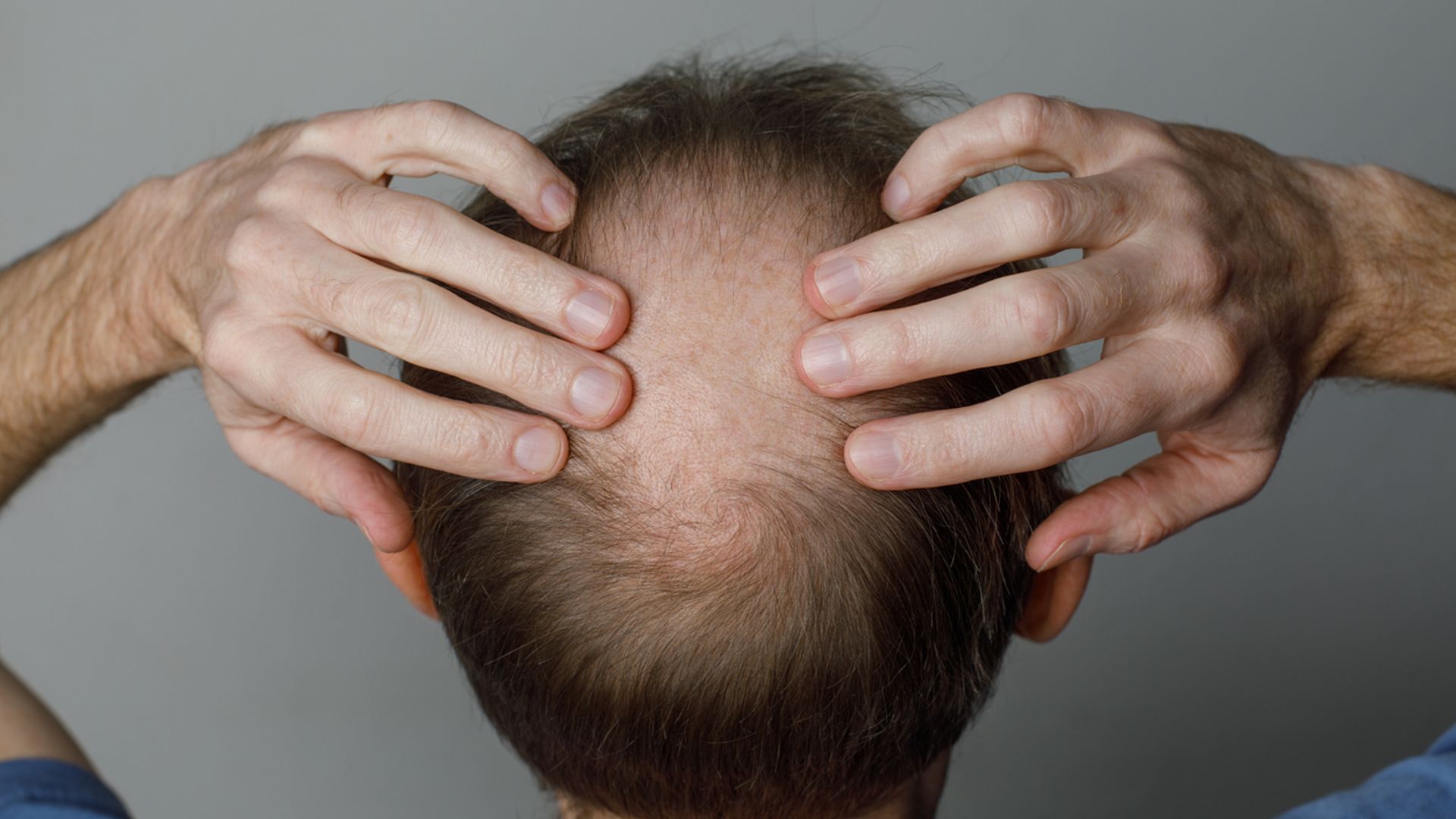
Medical professionals emphasize that hair loss linked to GLP-1 agonists typically resembles telogen effluvium, a condition where hair prematurely enters the shedding phase. This form of hair loss is often temporary and reversible once the triggering factor diminishes or ceases. However, the psychological impact on patients experiencing visible hair thinning amid a weight loss journey can be significant.
Why This Side Effect Matters: Patient Impact and Treatment Considerations
Understanding the risk of hair loss is essential for anyone considering or currently using these weight loss drugs. Hair loss can affect self-esteem and mental well-being, complicating what is already a challenging lifestyle transformation. Patients may feel discouraged or anxious, potentially impacting medication adherence and overall health outcomes.
Healthcare providers now face the challenge of balancing the substantial benefits of these medications against their side effects. Open dialogue between doctors and patients is critical to manage expectations and monitor any adverse reactions effectively. In some cases, clinicians may adjust dosages, recommend supportive treatments for hair health, or explore alternative therapies.
Moreover, it is important to note that hair loss is not a universal side effect. Genetic predisposition, nutritional status, and individual responses to medication all play roles in whether a patient experiences this symptom. Comprehensive patient evaluation before starting these drugs can help identify those at higher risk.
What Comes Next: Monitoring and Research Directions
As the use of Mounjaro, Ozempic, and Wegovy expands, ongoing research aims to clarify the mechanisms behind drug-induced hair loss and establish preventive strategies. Clinical trials and post-marketing surveillance continue to collect data on side effects, guiding safer prescribing practices.
Patients are encouraged to report any unexpected hair thinning or shedding to their healthcare providers promptly. Early intervention can mitigate the severity and duration of hair loss. Additionally, lifestyle factors such as balanced nutrition and stress management can support hair health during weight loss.
Pharmaceutical companies are also investigating formulations that minimize adverse effects while retaining therapeutic benefits. Innovations in drug design and personalized medicine hold promise for reducing complications like hair loss in the future.
Takeaway: Weighing Benefits Against Side Effects
The advent of weight loss drugs like Mounjaro, Ozempic, and Wegovy marks a significant advance in obesity treatment, offering many patients a powerful tool to improve metabolic health. However, the associated risk of hair loss cannot be overlooked. Recognizing and addressing this side effect is crucial for maintaining patient confidence and adherence.
Ultimately, informed decision-making and collaborative care remain the cornerstones of successful treatment. Patients considering these medications should discuss potential risks, including hair loss, with their healthcare providers to develop a personalized plan that balances efficacy with quality of life.