Sperm whales, some of the largest and most enigmatic creatures of the deep, have long puzzled scientists with their unique sleeping behaviors. Recent research has unveiled a remarkable adaptation: these marine giants release gas bubbles to control their buoyancy, allowing them to float vertically while resting underwater.
How Sperm Whales Sleep Vertically by Releasing Bubbles
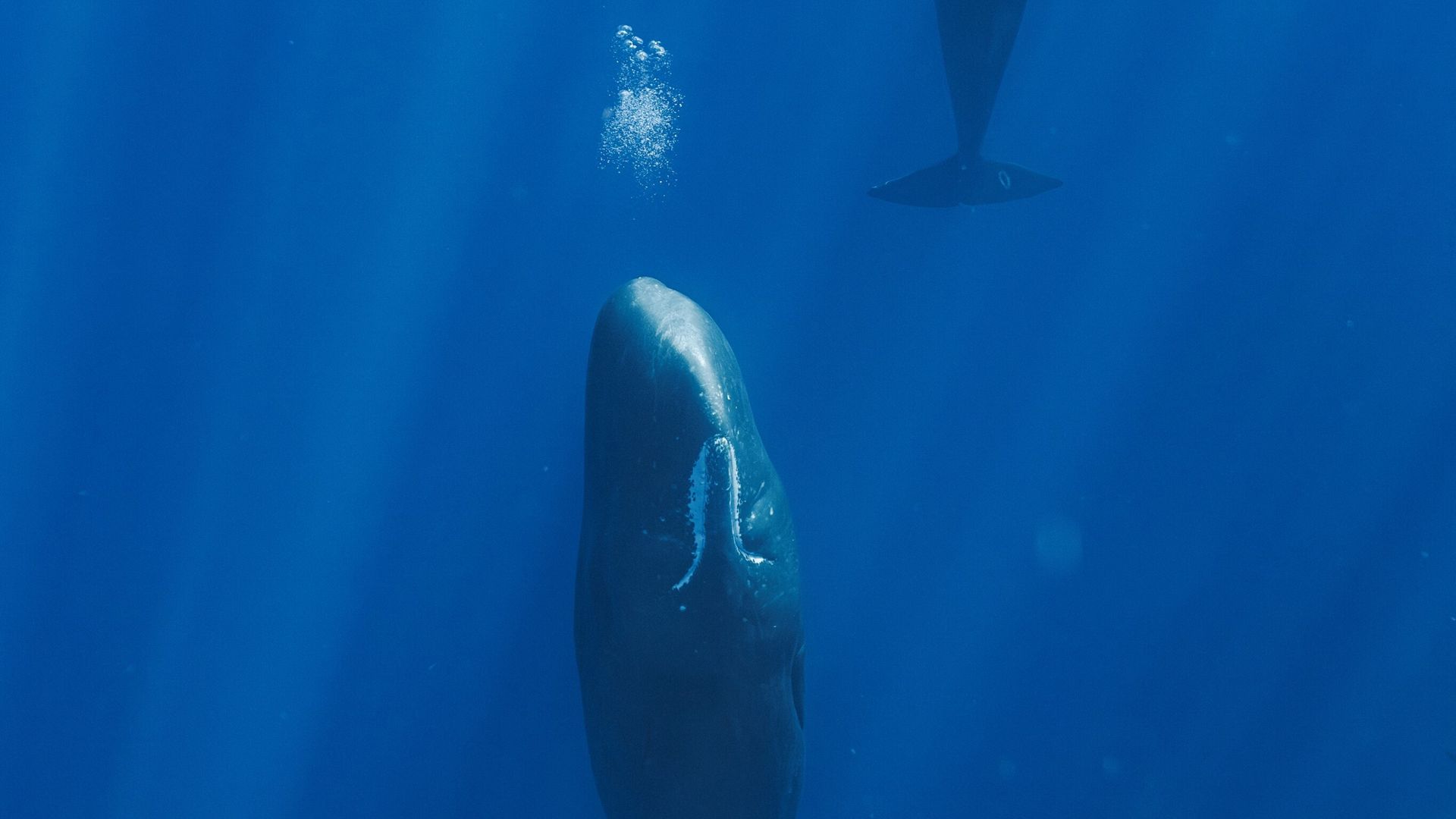
Unlike many marine mammals that sleep while swimming slowly or resting near the surface, sperm whales exhibit a rare behavior—sleeping in an upright, vertical position. Scientists studying this phenomenon discovered that sperm whales actively release gas bubbles, a process that fine-tunes their buoyancy and enables them to maintain this unusual posture without expending energy.
This bubble release acts like a natural flotation device. By adjusting the volume of gas they emit, sperm whales can achieve neutral buoyancy, allowing them to hover motionless in the water column. This behavior likely helps them conserve energy during extended rest periods in the deep ocean, where surfacing for air is a critical but potentially risky task.
Why This Discovery Matters for Marine Biology and Conservation
The findings deepen our understanding of sperm whale physiology and behavior, shedding light on how these mammals survive in their vast, often hostile environment. Sperm whales spend a substantial portion of their lives diving to great depths to hunt squid and other prey, making efficient rest crucial for their health and survival.
Understanding the mechanics behind their buoyancy control provides insight into how sperm whales manage their energy reserves during long dives and periods of inactivity. It also highlights the sophistication of their adaptations to deep-sea life, which could inform conservation strategies aimed at protecting these vulnerable giants from threats such as ship strikes, noise pollution, and habitat degradation.
What This Means for Future Research and Ocean Conservation
This discovery opens new avenues for studying marine mammal behavior, particularly in challenging underwater environments. Researchers can now explore how buoyancy regulation impacts other aspects of sperm whale life, such as social interactions, migration patterns, and responses to environmental stressors.
Moreover, by better understanding the unique sleeping strategies of sperm whales, scientists can improve monitoring techniques to assess their health and population dynamics. This knowledge is vital as ocean ecosystems face mounting pressures from climate change and human activity.
Overall, the revelation of sperm whales’ bubble-assisted vertical sleep not only enriches our knowledge of marine biology but also emphasizes the importance of protecting these majestic creatures and their deep-sea habitats.
As research continues, the secrets of sperm whales’ deep-water lifestyles will likely yield further insights, underscoring the intricate balance of life beneath the waves and the need for sustained conservation efforts.