Zack Polanski, leader of the Green Party, has sparked intense debate by refusing to apologize for sharing a graphic image depicting a guillotine alongside Nigel Farage, the former Brexit Party leader. The incident has ignited widespread discussion about political expression, boundaries, and the consequences of provocative imagery in today’s charged political climate.
What Happened: The Controversy Unfolds
The controversy began when Polanski posted an image portraying a guillotine with Nigel Farage’s likeness, a stark symbol historically associated with violent revolution and execution. This visual metaphor was intended as a strong political statement against Farage’s divisive policies and rhetoric, but it quickly drew backlash from various quarters accusing Polanski of inciting violence or endorsing extreme measures.
Farage, known for his pivotal role in the Brexit movement and his polarizing political style, remains a figure who elicits passionate responses across the UK political spectrum. Polanski’s choice to use such an inflammatory image has thrust the debate over political decorum and freedom of expression to the forefront.
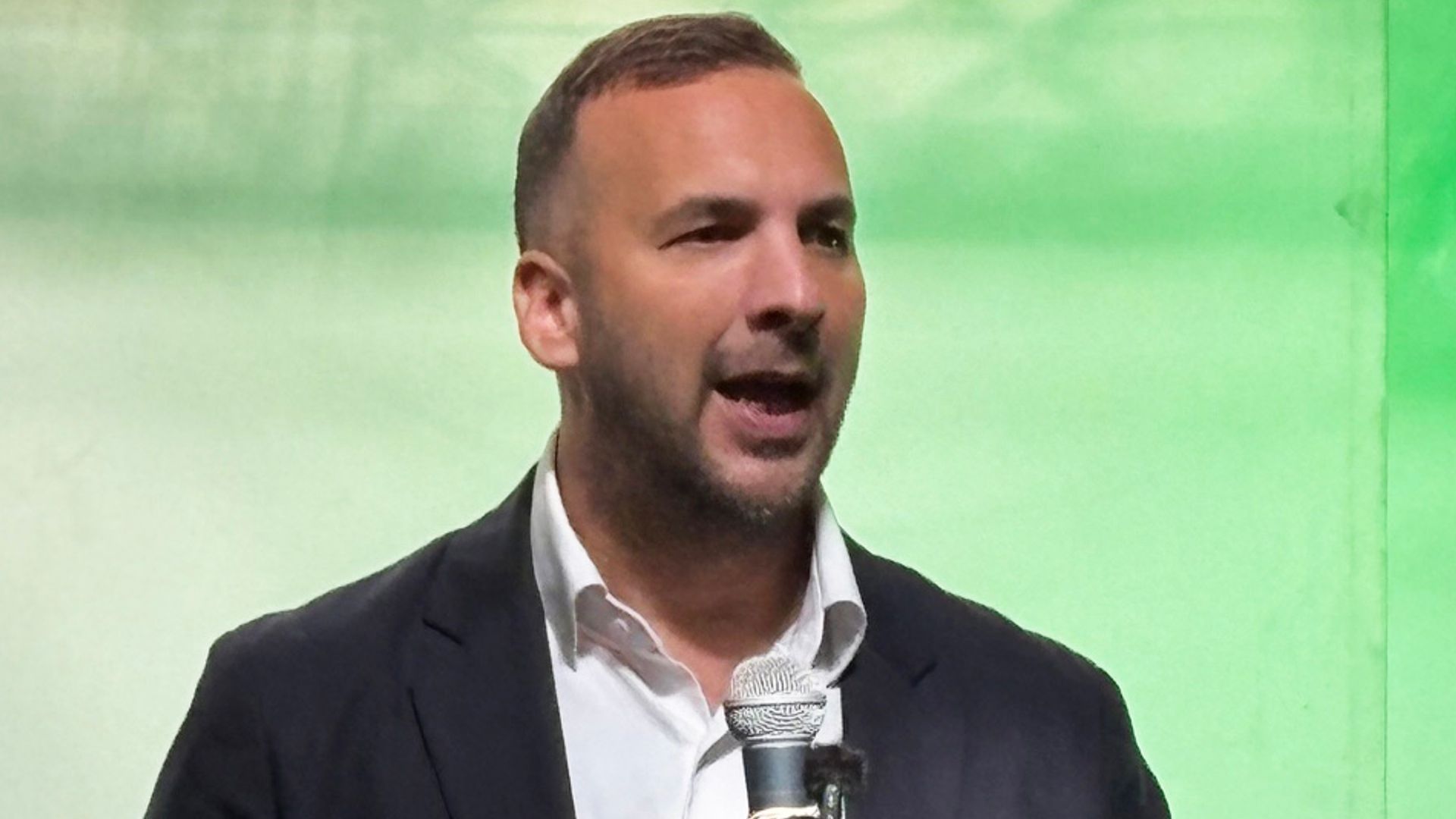
The image was shared at a public event in Hulme, Manchester, where Polanski was speaking as part of the Green Party’s campaign. This event coincided with the launch of Geraldine Coggins’ candidacy for Greater Manchester mayor, highlighting the Greens’ ambitions to expand their influence in regional politics.
Why Polanski Refuses to Apologize
Despite the uproar, Polanski has stood his ground, refusing to issue an apology. He argues that the image was a form of political satire and an expression of frustration with Farage’s impact on British politics, particularly concerning environmental issues, social justice, and community cohesion.
Polanski’s stance emphasizes the importance he places on robust political debate and the right to challenge public figures using provocative art and imagery. He maintains that censoring such expressions undermines democratic principles and stifles necessary conversations about accountability and leadership.
This refusal to apologize has further polarized opinions. Supporters praise Polanski for his courage in calling out what they see as harmful political agendas, while critics warn that such imagery risks normalizing violence and deepening societal divisions.
The Broader Impact: Political Expression and Its Limits
The incident raises broader questions about the limits of political expression in the UK’s democratic context. While the right to free speech is fundamental, lawmakers and citizens alike grapple with where to draw the line between provocative criticism and dangerous incitement.
Images like the guillotine carry heavy historical connotations of execution and revolt, making their use in political commentary especially sensitive. This case highlights the tension between artistic license and the potential for misinterpretation or escalation in politically charged environments.
For the Green Party, the episode comes at a critical moment as it seeks to increase its visibility and voter base in Greater Manchester and beyond. The party’s approach to campaigning, including Polanski’s outspoken style, may attract some voters looking for bold alternatives but alienate others wary of divisive tactics.
Looking Ahead: What This Means for UK Politics
Polanski’s refusal to back down suggests that political discourse in the UK is entering a more confrontational phase, where vivid, sometimes controversial imagery becomes a tool to galvanize support or provoke opponents. As the country prepares for upcoming local and national elections, how politicians navigate these tensions will shape public trust and engagement.
For voters, the incident serves as a reminder to critically evaluate both the messages and methods used by political figures. It underscores the need for a balanced dialogue that encourages accountability without resorting to imagery that could incite hostility or violence.
Ultimately, the Polanski-Farage guillotine image controversy is more than a fleeting scandal; it is a reflection of the deep divisions and passionate debates defining contemporary British politics. How parties and leaders respond to such challenges will influence the tone and substance of political engagement in the years to come.