Tragedy struck the English Channel recently as three migrants lost their lives while attempting to cross from Dunkirk, France, to the United Kingdom. This fatal incident underscores the growing peril faced by individuals risking dangerous sea journeys in pursuit of safety and better opportunities.
Deadly Attempt to Cross One of Europe’s Most Treacherous Routes
The English Channel, a narrow but highly trafficked body of water separating northern France from southern England, has become a focal point for desperate migrants seeking to enter the UK. On July 30, 2026, a group believed to be migrants departed from a beach near Dunkirk, a French port city historically associated with migration attempts across the Channel.
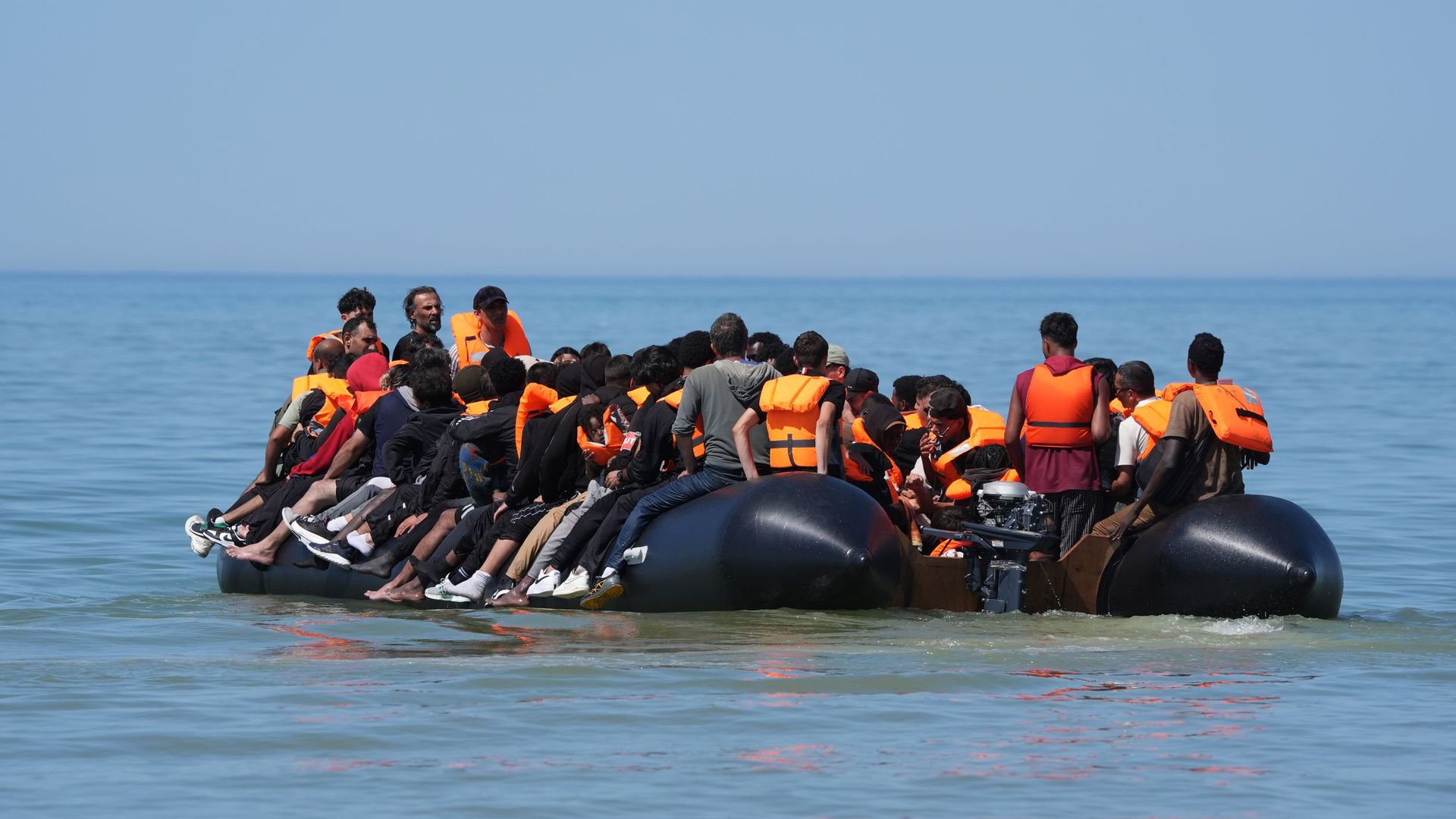
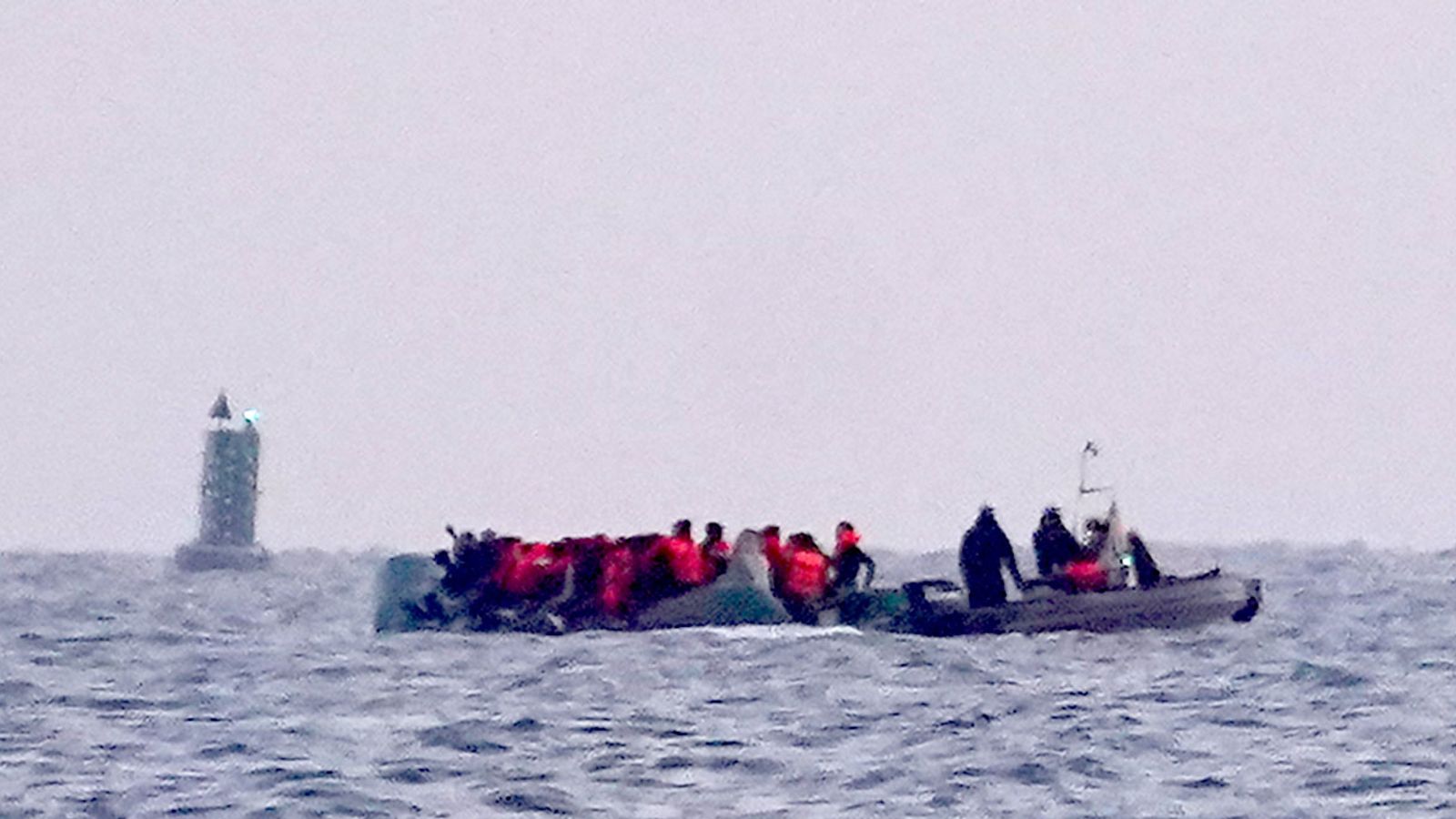
The migrants used a small, vulnerable vessel to embark on the crossing. Unfortunately, the hazardous conditions and unpredictable weather in this stretch of sea proved fatal for at least three individuals. Rescue operations were launched, but the effort could not prevent the loss of life.
The Broader Context: Why Migrants Risk the Channel
For many migrants, crossing the English Channel represents a last resort to escape conflict, persecution, or economic hardship in their home countries. The journey is fraught with danger, including overcrowded boats, rough seas, and the risk of interception or drowning. Despite these risks, increasing numbers have attempted this passage in recent years, driven by stringent immigration policies and limited legal pathways to enter the UK.
Dunkirk has become a key departure point due to its proximity to the UK and its accessibility for small boats. The area’s geography and currents can make the journey deceptively short but perilous, particularly in small, makeshift vessels lacking safety equipment.
Authorities on both sides of the Channel have intensified patrols and rescue missions, but the sheer volume of crossings challenges their capacity. The deaths of these three migrants highlight the urgent need for coordinated international efforts to address the root causes of migration and improve humanitarian responses.
What This Means for Migration Policy and Public Safety
The loss of life near Dunkirk is a stark reminder of the human cost behind migration statistics and policy debates. It raises pressing questions about border security, humanitarian aid, and the responsibilities of European nations toward vulnerable populations.
Migration experts emphasize the necessity of creating safe, legal avenues for migration to prevent such tragedies. Without alternative options, migrants remain compelled to undertake perilous journeys, often facilitated by human traffickers exploiting their desperation.
The incident also puts pressure on governments to enhance search and rescue operations and to collaborate on solutions that balance security concerns with human rights. Public awareness of these dangers can drive support for comprehensive migration reforms and increased funding for rescue services in the Channel region.
Looking Ahead: Preventing Future Tragedies in the Channel
Preventing further loss of life requires a multifaceted approach. Strengthened cooperation between France and the UK is crucial to monitor and respond swiftly to crossing attempts. Additionally, addressing the socio-political factors forcing migrants to flee their countries is essential for long-term solutions.
Organizations and policymakers must prioritize humanitarian considerations alongside border enforcement to protect lives. Public discourse should focus on empathy and pragmatic strategies that reduce the risks faced by migrants.
As the English Channel continues to be a hotspot for migration attempts, the deaths near Dunkirk serve as a solemn call for urgent action. Ensuring safe passage, increasing rescue capabilities, and tackling migration drivers will be vital to prevent such tragedies in the future.
Full details of the incident and ongoing investigations have not yet been released.