Wales faces an unprecedented drought crisis as authorities declare drought conditions across the entire country. This July is on track to become the driest month ever recorded in Welsh history, marking a severe challenge for water supplies, agriculture, and the environment.
What Led to the Drought Declaration?
The declaration comes after weeks of exceptionally low rainfall and soaring temperatures that have parched the Welsh landscape. Across all regions, rainfall levels have plummeted far below average, with some areas experiencing less than half their typical precipitation for this time of year.
Experts monitoring the situation report that soil moisture levels have dropped to critical lows, rivers and reservoirs are shrinking, and groundwater supplies are under intense pressure. This combination of factors meets the official criteria for a drought, prompting the government and environmental agencies to take action.
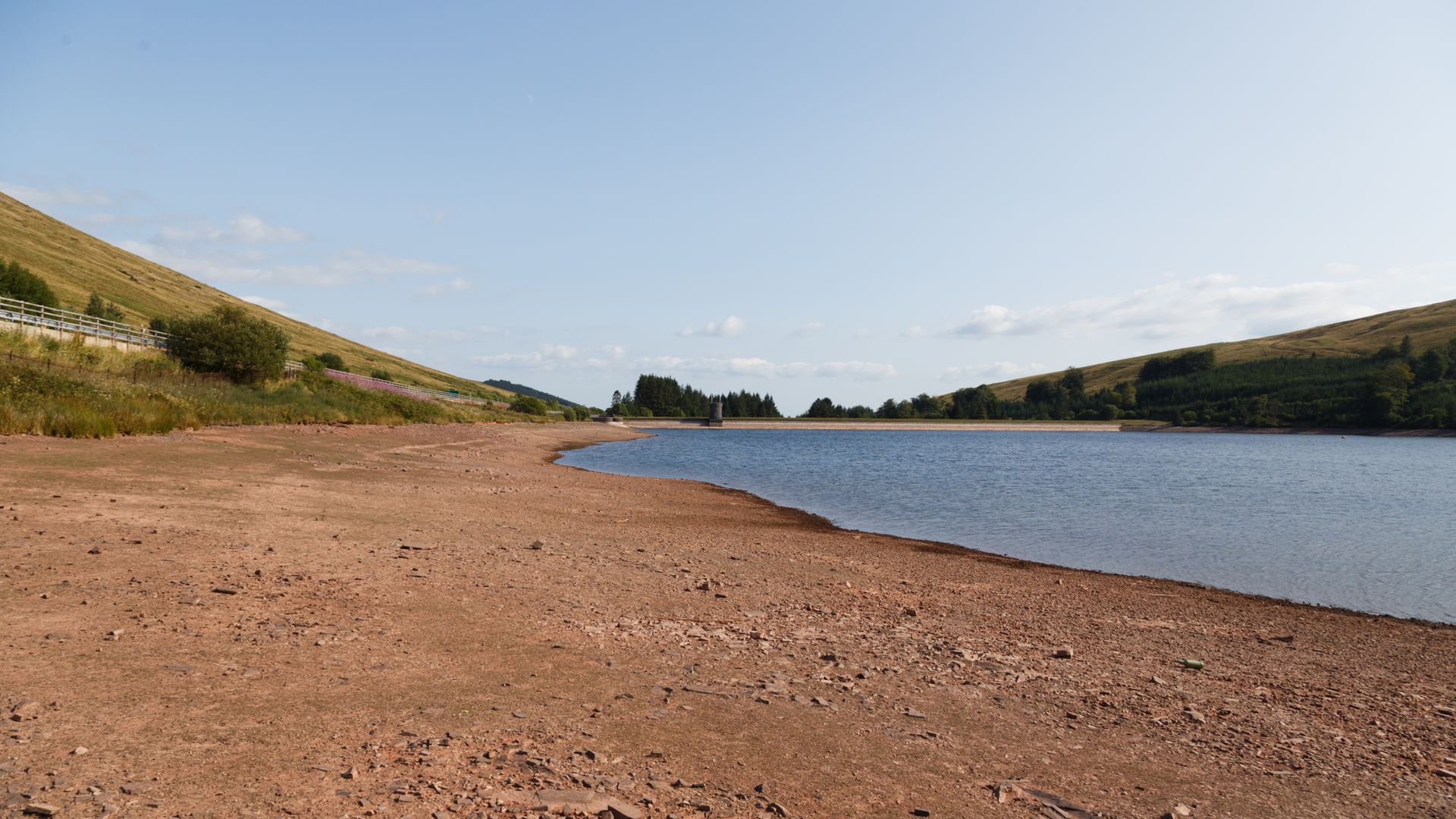
The drought declaration is not only a reflection of July’s extreme weather but also an indication of broader climatic shifts impacting the UK. Wales, known for its generally wet climate, is now grappling with conditions more typical of arid regions.
Impacts on Communities, Agriculture, and Ecosystems
The drought threatens numerous sectors across Wales. Farmers face severe water shortages for livestock and crops, potentially leading to reduced yields and financial strain. The agricultural community is bracing for long-term effects if dry conditions persist into the autumn months.
Water companies and local authorities have begun implementing water-saving measures to protect dwindling supplies. Restrictions on garden watering, car washing, and other non-essential water uses may be introduced or tightened as the situation develops.
Natural habitats are also under stress. Rivers and wetlands supporting diverse wildlife populations are drying up, putting species at risk. Conservationists warn that the drought could cause lasting damage to ecosystems that rely on a steady water supply.
Why This Drought Matters and What Comes Next
This widespread drought declaration in Wales underscores the growing challenges posed by climate variability. It highlights the urgent need for improved water management strategies and resilience planning to cope with future extreme weather events.
Residents and businesses across Wales must adapt to conserve water and prepare for ongoing dry conditions. Authorities are likely to monitor the situation closely, issuing further guidance and potential restrictions to safeguard public health and essential services.
Looking ahead, the drought serves as a stark reminder of the critical importance of sustainable water use and environmental stewardship. As Wales faces this historic dry spell, coordinated efforts between government agencies, communities, and individuals will be essential to mitigate impacts and protect the nation’s water resources.
Full details on the drought’s duration and specific regional measures have yet to be released, but vigilance and proactive response will be key in the coming weeks.