The UK government’s designation of Palestine Action as a terrorist organization has sparked a legal showdown, as the group’s co-founder prepares to take the case to the Supreme Court. This development follows a recent ruling that upheld the government’s ban, amid a dramatic protest that saw 117 people arrested.
What Led to the Terrorist Designation and Mass Arrests?
Palestine Action, an activist collective known for its direct actions targeting arms manufacturers and their facilities, was officially proscribed under the UK’s terrorism laws earlier this year. The government cited the group’s alleged involvement in violent activities and disruption of critical infrastructure as justification for the ban.
The designation criminalizes membership and support for Palestine Action, which has been active in organizing protests against companies linked to the Israeli-Palestinian conflict. Their tactics include occupations, blockades, and sabotage aimed at disrupting arms trade operations.
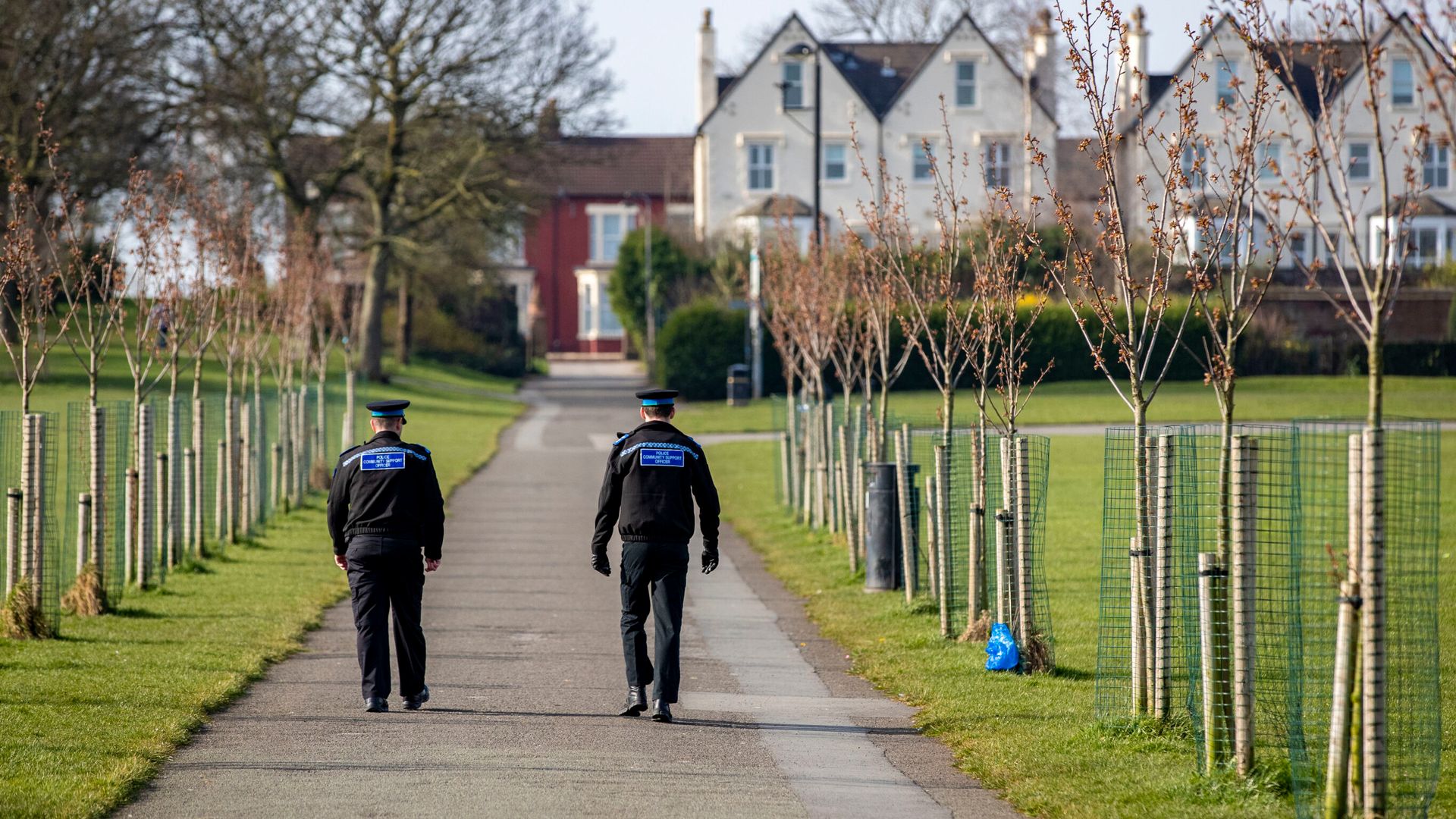
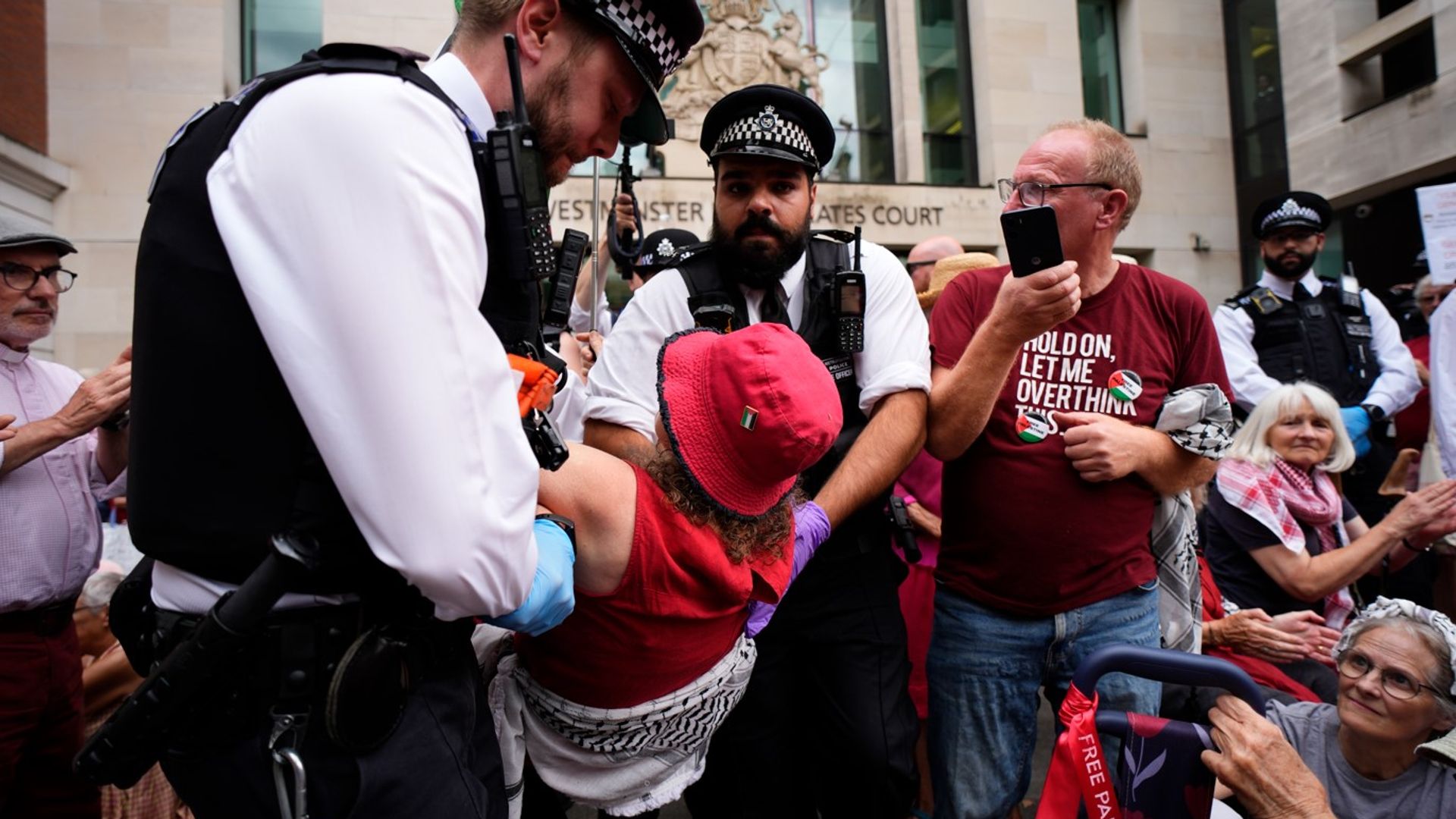
In a large-scale demonstration connected to the group’s campaign, authorities arrested 117 individuals. The arrests occurred during coordinated protests at multiple sites, reflecting the widespread and organized nature of Palestine Action’s activism. This crackdown underscores the government’s intensified efforts to curb what it views as extremist threats on domestic soil.
Legal Challenges and the Path to the Supreme Court
Despite the ruling validating the terrorist designation, Palestine Action’s co-founder has vowed to challenge the decision at the highest judicial level. The case presents a critical test of the boundaries between legitimate activism and terrorism under UK law.
The co-founder’s argument hinges on the claim that the government’s ban infringes on fundamental rights to protest and political expression. They contend that the group’s direct actions, while disruptive, do not equate to terrorism or violent extremism as legally defined.
By taking the case to the Supreme Court, the co-founder seeks to overturn the ban and clarify the scope of anti-terrorism laws in relation to activist movements. The court’s decision will have far-reaching implications for civil liberties, particularly for groups engaged in controversial or radical protests.
Why This Matters: Implications for Activism and National Security
The government’s stance and the court’s rulings highlight an ongoing tension between maintaining national security and protecting democratic freedoms. The Palestine Action case exemplifies this delicate balance, raising important questions about how far anti-terrorism legislation should extend.
For activists, the ruling signals a potential chilling effect on protest movements, especially those challenging powerful industries like arms manufacturing. It sets a precedent that could lead to harsher penalties and restrictions on direct actions deemed disruptive or threatening by authorities.
Conversely, proponents of the ban argue that such measures are necessary to prevent violence and safeguard critical infrastructure. The designation aims to deter tactics that could escalate into more dangerous forms of extremism.
Looking Ahead: What to Expect Next
The upcoming Supreme Court hearing will be closely watched by legal experts, activists, and policymakers alike. Its verdict will clarify the legal definitions of terrorism in the context of political protest and either reinforce or recalibrate government powers to proscribe organizations.
For now, the mass arrests and sustained legal battles underscore the UK’s broader struggle to address security concerns while respecting citizens’ rights to dissent. The case of Palestine Action offers a pivotal moment to examine how democratic societies confront controversial activism in an era of heightened security awareness.
As the legal process unfolds, the ultimate ruling will shape the future landscape of protest rights and counter-terrorism policy in the UK, influencing both grassroots movements and governmental authority.