The skies over the UK are set for an extraordinary celestial spectacle this Wednesday, as stargazers witness not one, but two breathtaking astronomical events within mere hours. Following a rare solar eclipse earlier in the day, the famed Perseid meteor shower will blaze to its annual peak, promising a dazzling display of shooting stars across the night sky.
What’s Happening: Solar Eclipse and Perseid Meteor Shower in One Night
Wednesday marks a remarkable alignment in the heavens, beginning with a solar eclipse visible to parts of the UK. This event occurs when the Moon passes between the Earth and the Sun, temporarily obscuring the Sun’s light and casting an eerie shadow. Solar eclipses are relatively rare, making this an exciting moment for astronomers and casual observers alike.
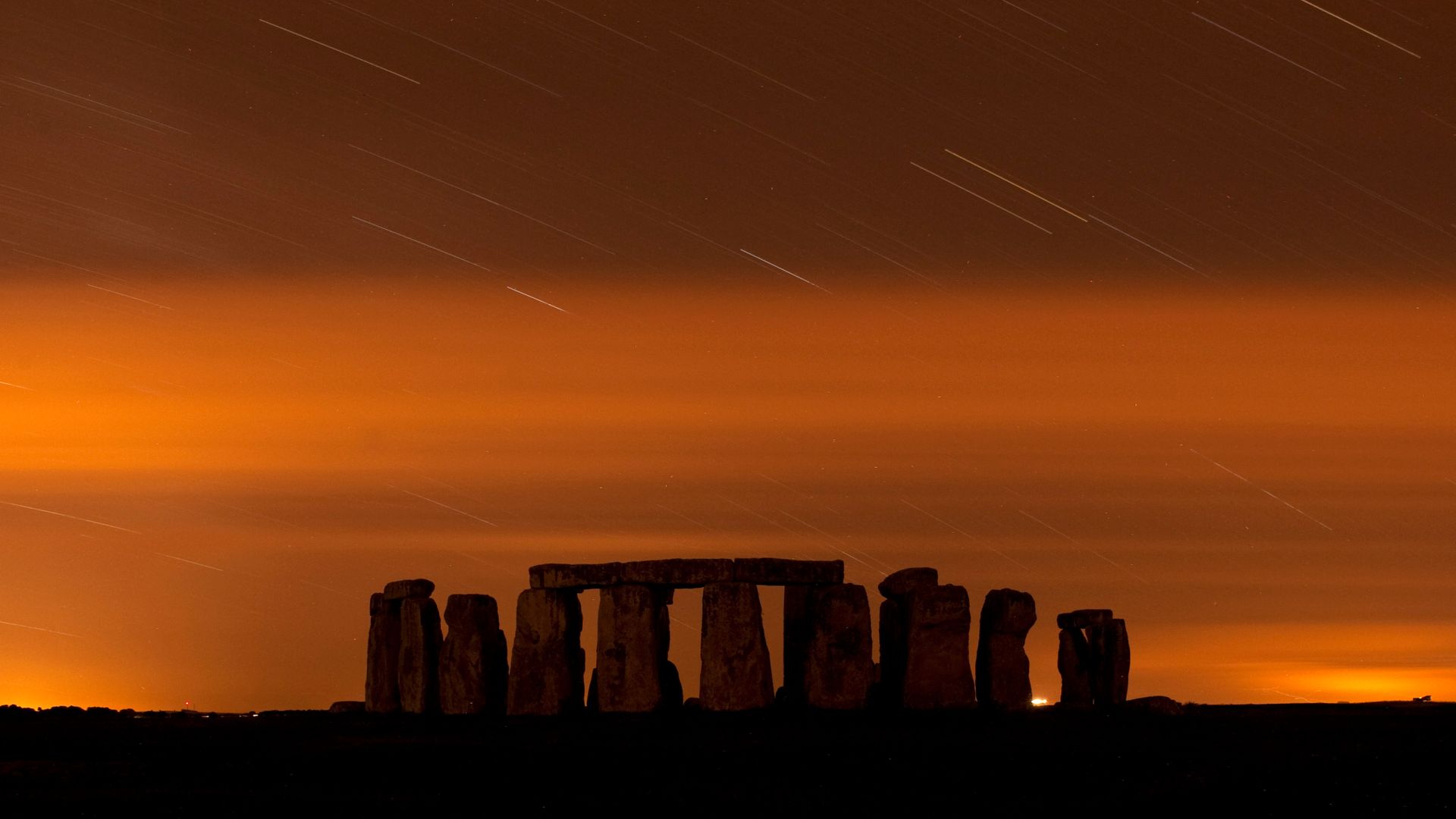
But the celestial show doesn’t end there. Just hours after the eclipse fades, the Perseid meteor shower will reach its peak intensity. The Perseids, one of the most well-known and reliable annual meteor showers, occur when Earth passes through the debris trail left by comet Swift-Tuttle. As these tiny fragments enter Earth’s atmosphere at high speeds, they ignite and streak across the sky as brilliant meteors or “shooting stars.”
Where and When to Watch the Perseid Meteor Shower
The Perseid meteor shower is renowned for its spectacular frequency and brightness. At its peak, observers can expect up to 60 meteors per hour under ideal dark-sky conditions. The best time to catch the show is after midnight until dawn, when the radiant point in the constellation Perseus climbs highest in the sky.
For UK viewers, the optimal viewing window begins late Wednesday night and continues into the early hours of Thursday. Clear, dark skies away from city lights offer the best visibility. Southeastern England, Scotland’s rural areas, and parts of Northern Ireland are especially well-positioned to enjoy the spectacle.
Remember that meteor showers are best watched with the naked eye—no telescope or special equipment is needed. Find an open area with an unobstructed view to the northeast, bring warm clothing, and give your eyes time to adjust to the darkness for maximum enjoyment.
Why This Dual Event Matters
The coincidence of a solar eclipse and the Perseid meteor shower on the same day is a rare astronomical alignment that underscores the dynamic beauty of our solar system. For scientists, these events provide valuable opportunities to study solar and cosmic phenomena, while for the public, they offer a chance to connect with the cosmos in a thrilling way.
Solar eclipses remind us of the intricate dance between Earth, the Moon, and the Sun, revealing aspects of solar science and celestial mechanics. Meanwhile, meteor showers like the Perseids link us to the remnants of ancient comets and the ongoing processes shaping our cosmic neighborhood.
Experiencing these events fosters public interest in astronomy, encourages outdoor exploration, and inspires a deeper appreciation for the universe beyond our planet.
Looking Ahead: What to Expect Next in the Night Sky
While this Wednesday’s astronomical lineup is particularly special, the night sky offers regular wonders throughout the year. Following the Perseids, other notable meteor showers such as the Orionids and Geminids will light up the skies in the coming months. Keeping an eye on these events can provide continuous opportunities for awe and discovery.
Amateur astronomers and casual sky watchers can also anticipate upcoming planetary alignments, lunar phases, and eclipses that enrich our understanding and enjoyment of the cosmos. Staying informed through astronomy calendars and local observatories can maximize each viewing experience.
Final Thoughts: Don’t Miss This Celestial Double Feature
This Wednesday presents a rare chance for UK residents to witness two spectacular astronomical phenomena within hours—beginning with the fleeting shadow of a solar eclipse, followed by the radiant streaks of the Perseid meteor shower. Whether you are an experienced astronomer or a curious onlooker, the combined spectacle promises unforgettable sights and a profound reminder of our place in the universe.
Clear skies, a bit of patience, and a look upward could turn this midweek night into a memorable cosmic event. Prepare to be amazed by the wonders above.