William Orbit, the visionary British music producer whose groundbreaking work shaped the sounds of Madonna, Blur, and All Saints, has died at the age of 69. His family confirmed his passing on 23 July, announcing the news through his official Instagram page with a heartfelt statement.
Orbit’s death marks the loss of a pioneering force in the music industry, whose innovative fusion of electronica, trip-hop, and pop transformed the landscape of late 20th-century and early 21st-century music.

William Orbit’s Legendary Career and Influence
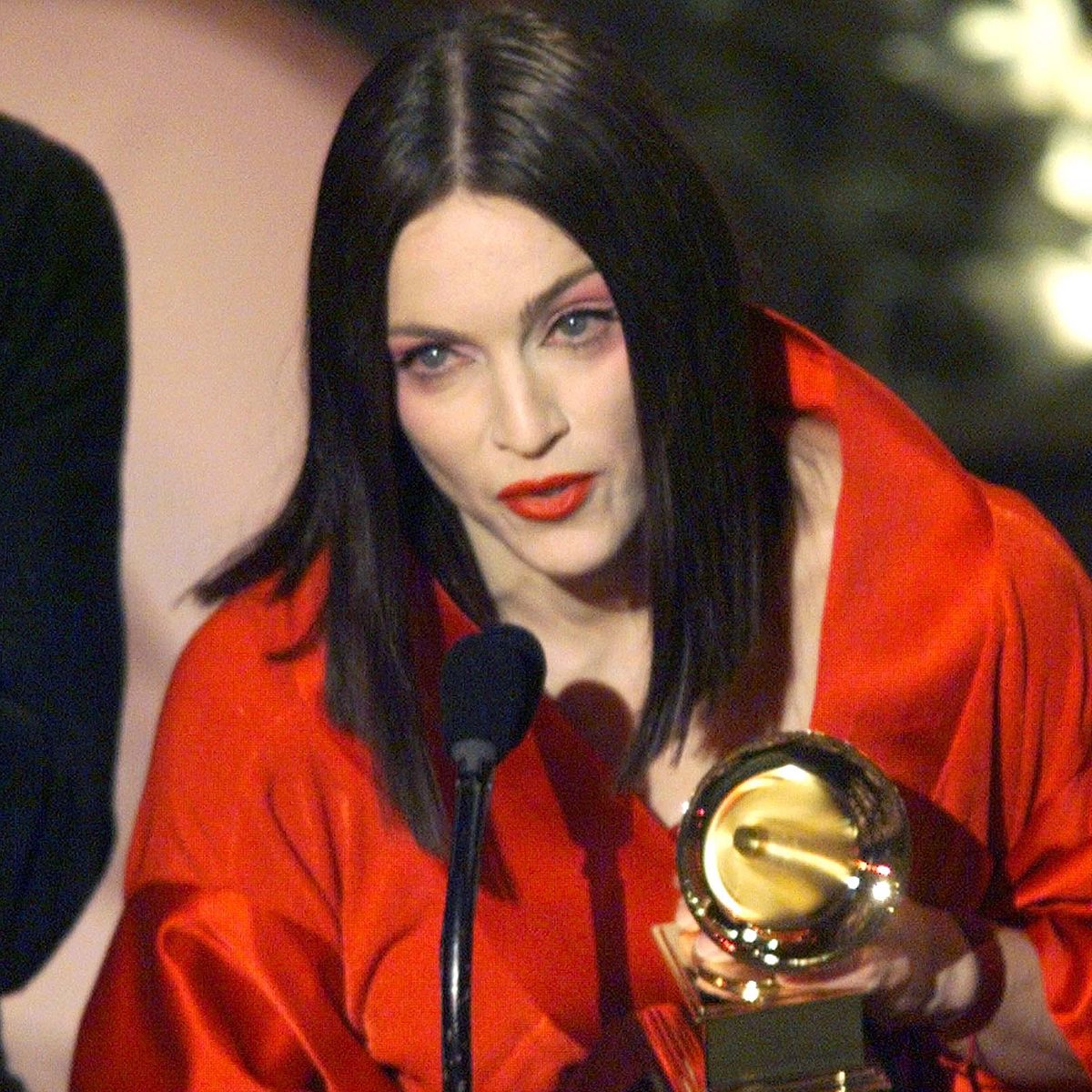
William Orbit’s production work is most famously linked to Madonna’s 1998 album Ray Of Light, a critically acclaimed pivot that infused the pop icon’s music with electronic and trip-hop elements. This album featured hits like “Frozen,” “The Power of Goodbye,” and the title track, all of which demonstrated Orbit’s signature ethereal and textured soundscapes. His collaboration with Madonna extended beyond this album, including the 1999 hit single “Beautiful Stranger” for the Austin Powers soundtrack and her 2000 album Music.
Orbit also produced Blur’s 1999 album 13, which marked a darker, more introspective lyrical direction for the band and included popular tracks such as “Tender” and “Coffee & TV.” His unique production style helped Blur cultivate a rich, atmospheric sound that contrasted their earlier Britpop anthems.
In addition, Orbit shaped the sound of All Saints, producing their chart-topping singles “Pure Shores” and “Black Coffee” in 2000. His collaboration with Melanie C, the Spice Girl, on her 1999 solo debut album Northern Star further demonstrates the breadth of his influence across pop and electronic music.

Tributes from Music Industry Icons
Orbit’s death has sparked an outpouring of tributes from artists and collaborators who admired his creativity and kindness. Ferry Corsten, the renowned DJ who worked with Orbit on the trance remix of Samuel Barber’s Adagio for Strings in 1999, called him “a true visionary.” Corsten credited Orbit with a pivotal role in shaping his career and opening doors within the electronic music scene.
All Saints’ Shaznay Lewis and Mel C expressed their sorrow and gratitude for having worked with Orbit, emphasizing his warmth and generosity. Singer Sonique, known for the 2000 hit “It Feels So Good,” recalled Orbit as one of the first professionals she collaborated with, sending love to his family.
Katy B reminisced about her nervous but warmly received studio sessions with Orbit, highlighting his genuine curiosity and supportive nature. Former Underworld member and DJ Darren Emerson shared a personal anecdote about Orbit contemplating a performance with Madonna on a national TV program, admiring the producer’s humility despite his immense talent.

Legacy, Awards, and Lasting Impact
William Orbit’s solo career includes 12 studio albums predominantly featuring electronic music, showcasing his skill as an artist in his own right. He also contributed to groups like Bassomatic and Torch Song, broadening his impact across genres.
Beyond his collaborations with Madonna, Blur, and All Saints, Orbit worked with global stars such as Britney Spears and Will.i.am on the 2013 album Britney Jean. In 2014, he produced a unique version of Freddie Mercury’s solo track “There Must Be More to Life Than This,” featuring posthumous vocals from Michael Jackson alongside Queen.
Orbit’s accolades include multiple Grammy Awards: two for Ray Of Light (Best Pop Album and Best Dance Recording) and one for Best Song Written for Visual Media for “Beautiful Stranger.” He also received Grammy nominations for his work on Pink’s “Feel Good Time,” his album Pieces In A Modern Style, and for Record of the Year with Ray Of Light.
Why William Orbit’s Work Matters
William Orbit redefined the possibilities of pop music production by fusing electronic textures with mainstream appeal. His work not only revitalized Madonna’s career but also shaped the sound of a generation, influencing countless artists and producers. Orbit’s pioneering approach helped bring electronic music into the pop mainstream, bridging the gap between underground and commercial music scenes.
His passing leaves a significant void in the music world, but his innovative spirit and timeless productions continue to inspire artists and listeners alike.
As the music community mourns, Orbit’s legacy stands as a testament to the power of creativity, collaboration, and kindness in shaping cultural history.