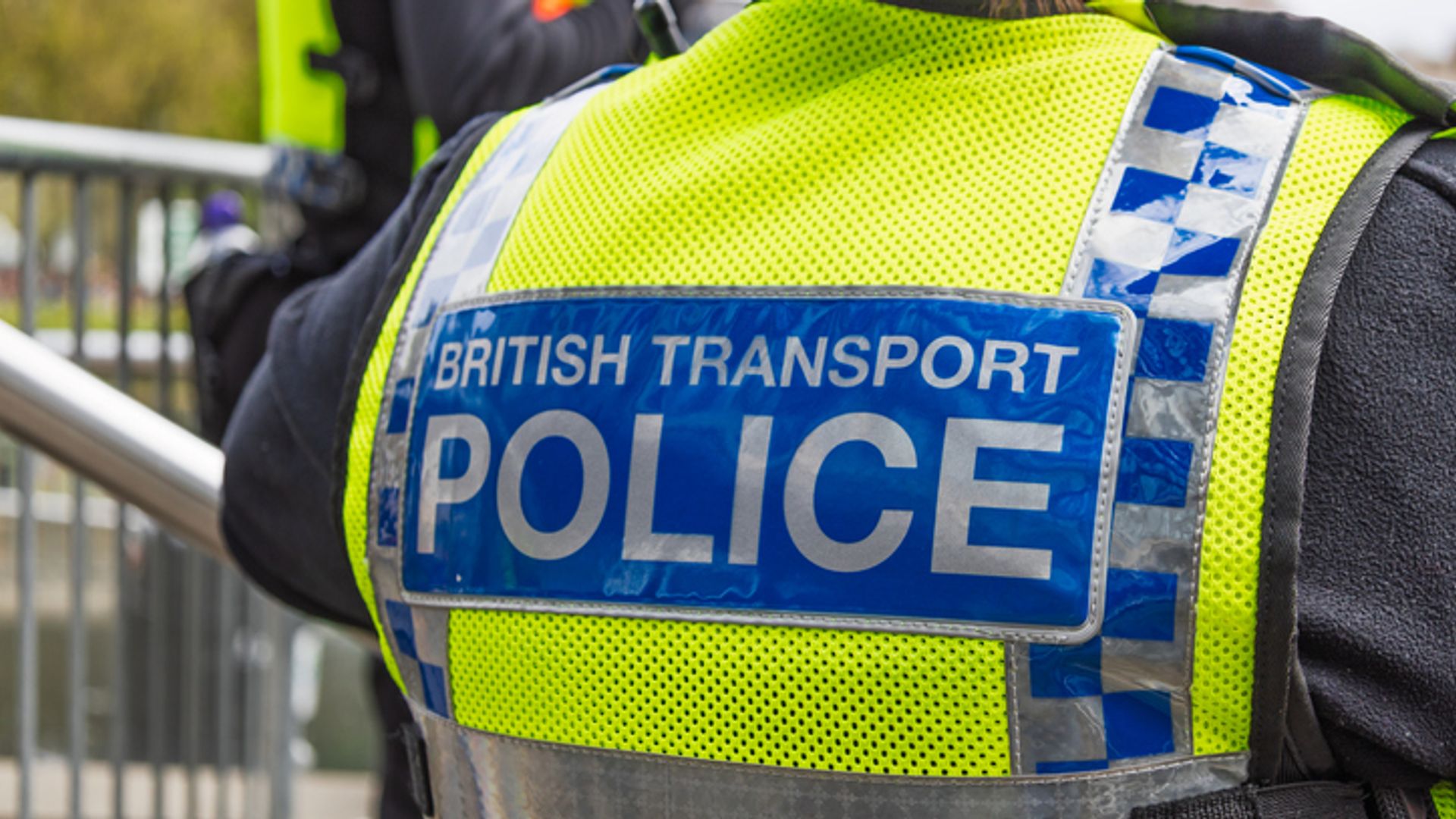
The use of counterfeit passports to facilitate migrant entry through the Channel Tunnel is no longer a hidden tactic, according to a recent investigation by Sky News. This revelation shines a spotlight on the sophisticated operations of people smugglers exploiting weaknesses in border control systems.

Inside the People Smuggling Network
Sky News uncovered the operational blueprint of a people smuggler who openly claims to use fake documents to transport migrants via the Channel Tunnel. These forged passports serve as a critical tool, enabling unauthorized individuals to bypass official checks and enter the United Kingdom undetected.
The smuggling enterprise operates with alarming efficiency. Migrants are often promised secure passage into the UK if they can provide forged identity papers. These documents mimic genuine passports closely enough to deceive border officials, complicating efforts to identify and halt illegal crossings.
The smuggler’s candid admission provides rare insight into the methods employed. It also underscores the scale of the challenge faced by authorities tasked with protecting the borders. The Channel Tunnel, a vital transport link between the UK and continental Europe, has become a focal point for this illicit activity.
Border Control Officers Overwhelmed by the Surge
A former border control officer, who spoke on condition of anonymity, described the immense pressure faced by staff responsible for screening travelers at the Channel Tunnel. The officer confessed that the volume of individuals attempting to cross using fraudulent means left many feeling overwhelmed.
“We were constantly stretched thin,” the officer said. “The sheer number of fake documents coming through made it extremely difficult to maintain effective security.” This sentiment echoes concerns raised by officials within border agencies, who warn that current resources and protocols may be insufficient to counter increasingly sophisticated smuggling tactics.
The officer’s experience highlights the human element behind border security efforts—dedicated professionals working under stressful conditions to uphold the law. However, the influx of counterfeit passports and the ingenuity of smugglers continue to undermine these efforts, exposing vulnerabilities in the system.
Why This Matters: Implications for Security and Policy
The widespread use of fake passports for illegal migration through the Channel Tunnel poses significant risks beyond immediate border security. It challenges the integrity of immigration controls, potentially allowing individuals with criminal backgrounds or security threats to enter the country unnoticed.
This situation also raises urgent questions about the adequacy of current border enforcement strategies. With smugglers adapting rapidly to enforcement measures, authorities must consider enhanced technological solutions and increased staffing to detect and prevent document fraud effectively.
Moreover, the phenomenon highlights broader issues surrounding migration management and the humanitarian complexities involved. Many migrants seek safer, more prosperous lives, but the reliance on criminal networks exposes them to exploitation and danger.
Government officials and border agencies face mounting pressure to develop comprehensive approaches that balance security concerns with humanitarian considerations. Strengthening international cooperation and intelligence sharing will be crucial in dismantling smuggling networks operating across borders.
Looking Ahead: Addressing the Challenge
As the use of fake passports becomes an entrenched tactic among migrants attempting to cross the Channel Tunnel, the need for robust, multifaceted responses becomes clear. Investment in advanced document verification technologies, enhanced training for border officers, and coordinated cross-border law enforcement initiatives will be essential to curb this illicit trade.
At the same time, policymakers must address the root causes driving irregular migration, including conflict, economic hardship, and political instability. Only by tackling these underlying factors can the demand for smuggling services be reduced over time.
For now, the testimony of former border staff and investigative findings serve as a stark reminder of the ongoing battle at one of Europe’s busiest transit points. The fight against illegal migration through the Channel Tunnel is far from over, demanding vigilance, innovation, and sustained commitment from all stakeholders involved.