Jess Phillips, former Minister for Safeguarding, has openly expressed her deep dissatisfaction with her time inside the Labour Party government under Keir Starmer. Her candid admission that she “hated” being in government sheds light on the internal challenges faced by ministers navigating the complexities of political life.
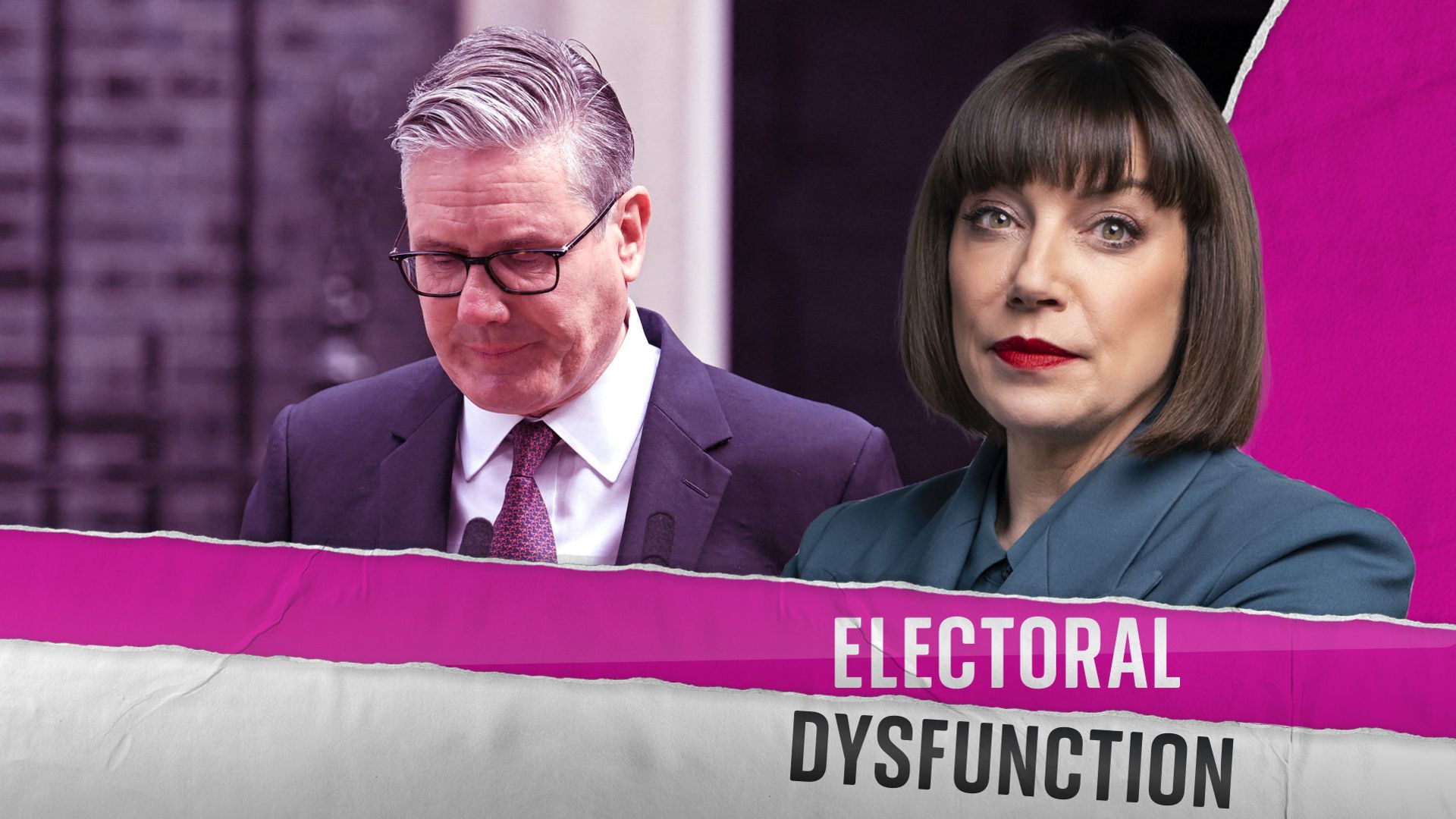
Inside the Starmer Government: A Struggle with the Role
Jess Phillips, a high-profile Labour MP known for her outspoken views, took on the role of safeguarding minister with a commitment to protecting vulnerable groups. However, despite her dedication, she found the experience profoundly difficult. Her blunt statement that she “hated” her time in government reflects a harsh reality that many politicians encounter but few openly discuss.
Phillips’ tenure coincided with a period of intense scrutiny for the Labour Party as it sought to redefine itself after years in opposition. Navigating the pressures of political office, policy compromises, and internal party dynamics proved to be an emotionally taxing experience for her.
Her reflections highlight the often unseen personal toll that public service can exert, particularly on ministers tasked with sensitive portfolios like safeguarding. This role demands not only political acumen but also emotional resilience, as it involves protecting society’s most vulnerable while managing bureaucratic and political obstacles.
Why Phillips’ Experience Matters
Phillips’ admission is significant because it breaks the usual political decorum, where ministers tend to emphasize successes and downplay struggles. By openly sharing her feelings, she provides insight into the human side of governance that is frequently overshadowed by policy debates and political strategy.
This perspective is crucial for voters and political observers seeking to understand the inner workings of government. It underscores the challenges faced by elected officials who must balance personal convictions with party lines and the practicalities of government operation.
Moreover, Phillips’ experience raises important questions about the support systems in place for ministers dealing with demanding roles. The emotional and psychological strain of public office, especially in roles addressing critical social issues, can be immense. Her candidness may prompt discussions about how political parties and governments can better support their members.
Looking Ahead: What This Means for Labour and Its Ministers
Jess Phillips’ forthright reflections could influence how the Labour Party approaches ministerial appointments and support structures moving forward. Recognizing the personal challenges politicians face might encourage a more empathetic and sustainable approach to political leadership.
For the party and its leader, Keir Starmer, these insights offer an opportunity to reassess strategies to retain talent and ensure that ministers can thrive rather than merely survive in their roles. It also signals to the public that political figures are human beings grappling with complex pressures, fostering a deeper understanding of political life.
Phillips’ remarks serve as a reminder that effective governance depends not only on policy expertise but also on the well-being and morale of those in office. Supporting ministers holistically could lead to stronger, more resilient leadership capable of addressing the pressing issues facing the nation.
Final Thoughts
Jess Phillips’ declaration that she “hated” being in government under Keir Starmer is more than a personal confession—it is a window into the demanding realities of political life. Her experience brings to the forefront the emotional and professional challenges faced by those striving to make a difference from within the system.
As the Labour Party continues its journey to regain and maintain political power, understanding and addressing these internal struggles will be key. Phillips’ honesty may pave the way for a more transparent and supportive political culture, ultimately benefiting both politicians and the public they serve.