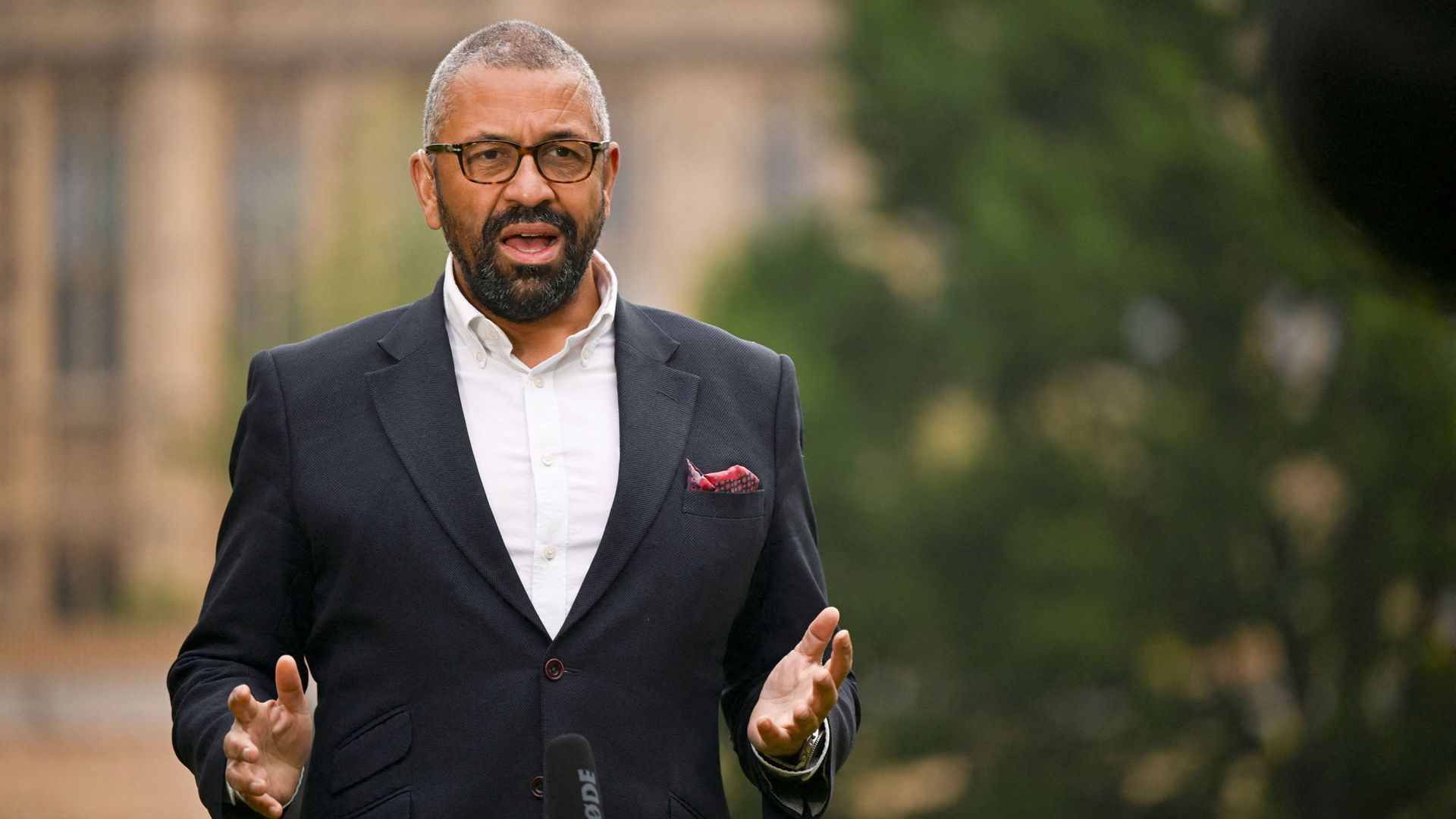
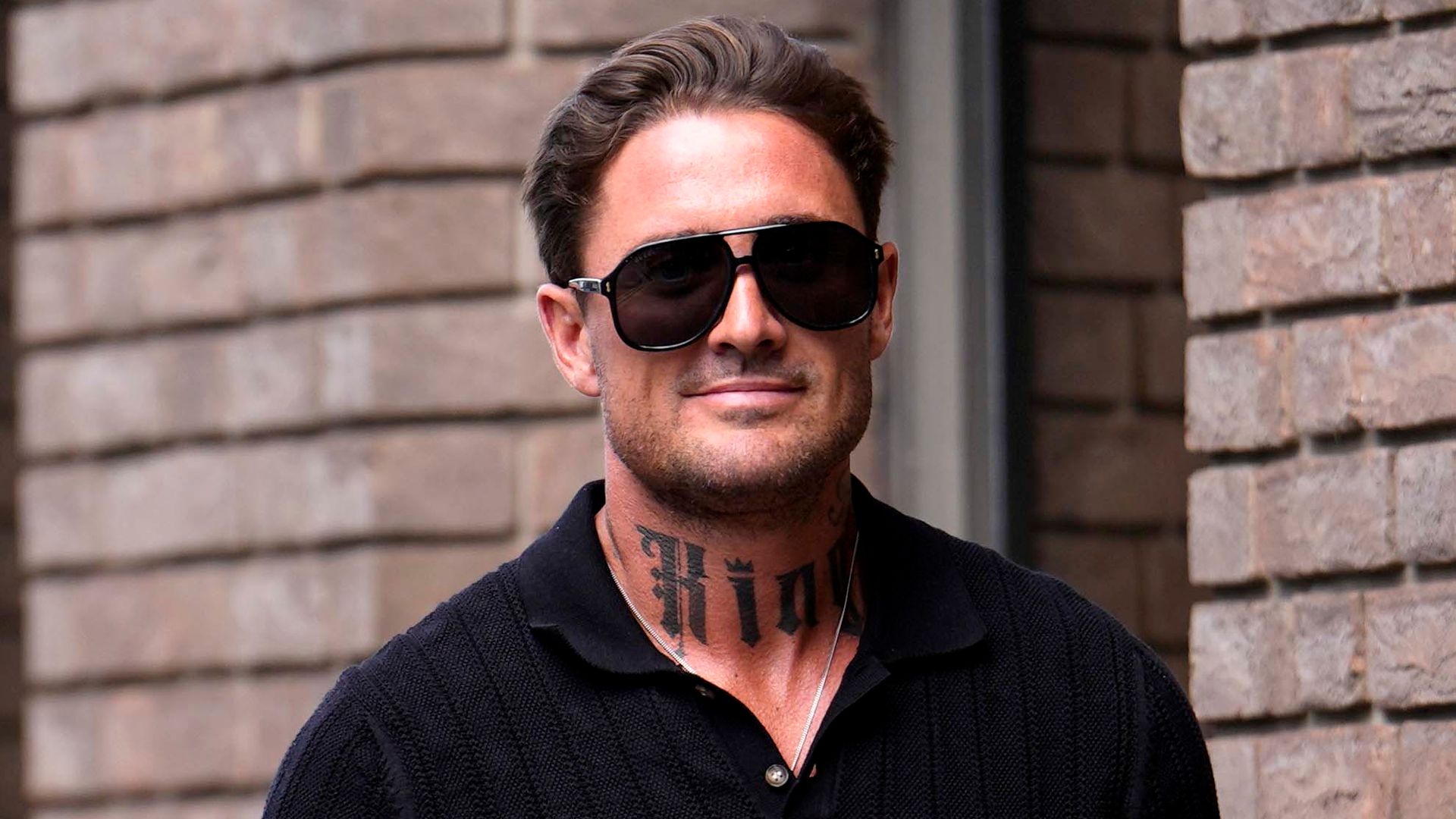
Stephen Bear, the former reality TV personality notorious for his controversial behavior, has been handed a prison sentence exceeding one year. This punishment comes after he violated a restraining order connected to his earlier conviction for secretly filming and distributing a sex tape without consent—a case that drew significant public attention and legal scrutiny.
The Crime and Legal Background
Stephen Bear initially rose to fame through his appearances on British reality shows, gaining a reputation for his brash and often reckless antics. However, his career took a sharp downturn following serious legal troubles involving a deeply personal violation of privacy. Bear was convicted for recording a sexual encounter without the consent of the other party and subsequently posting the footage online.
This act not only caused immense distress to the victim but also highlighted the growing issue of non-consensual pornography, commonly referred to as “revenge porn.” In response to this, the courts imposed a restraining order intended to prevent Bear from contacting or approaching the victim. The restraining order was a critical legal measure designed to protect the victim’s rights and privacy.
Breaching the Restraining Order
Despite the court’s clear directive, Bear breached the restraining order, an offense that carries severe penalties given its role in safeguarding victims from further harm. The exact details of the breach have not been fully disclosed, but the violation was serious enough to warrant immediate legal action and a custodial sentence.
Breaking a restraining order signifies a blatant disregard for the legal boundaries set by the judiciary, undermining the protective mechanisms intended for victims of abuse and harassment. Bear’s breach intensified concerns about compliance with court orders among high-profile individuals and underscored the challenges victims face even after obtaining legal protections.
Why This Case Matters
Stephen Bear’s sentencing highlights critical issues surrounding privacy violations, the enforcement of restraining orders, and the consequences of breaching such protections. Non-consensual distribution of intimate images has become an increasingly prevalent problem in the digital age, with victims often suffering lasting emotional and reputational damage.
The legal system’s stringent response to Bear’s actions serves as a warning against misuse of personal content and the importance of respecting court-imposed boundaries. It also signals a broader societal commitment to hold offenders accountable, regardless of their celebrity status.
For victims of similar crimes, this case reinforces the importance of legal recourse and the protective power of restraining orders, even though enforcement challenges persist. For society at large, it emphasizes the need for vigilance and robust legal frameworks to combat digital abuse and protect individual privacy rights.
Looking Ahead
Stephen Bear’s imprisonment marks a significant development in his tumultuous public life and serves as a stark reminder of the consequences of violating legal protections. As the justice system continues to tackle cases involving digital privacy violations and restraining order breaches, this case will likely influence future proceedings and public perceptions.
It remains essential for courts, victims, and the public to collaborate in strengthening protective measures and ensuring that individuals who violate privacy and court orders face appropriate consequences. Bear’s sentencing underlines that no one is above the law when it comes to respecting others’ rights and maintaining personal boundaries.
Full details of the case and sentencing have not yet been released, but the implications of this ruling will resonate beyond the courtroom, contributing to ongoing efforts to address revenge porn and related offenses effectively.