The football community was struck by tragedy as the son of renowned Manchester United and Wales international, Mark Hughes, passed away unexpectedly due to Sudden Adult Death Syndrome (SADS). This heartbreaking revelation emerged during a recent inquest, shedding light on the mysterious and silent nature of the condition.
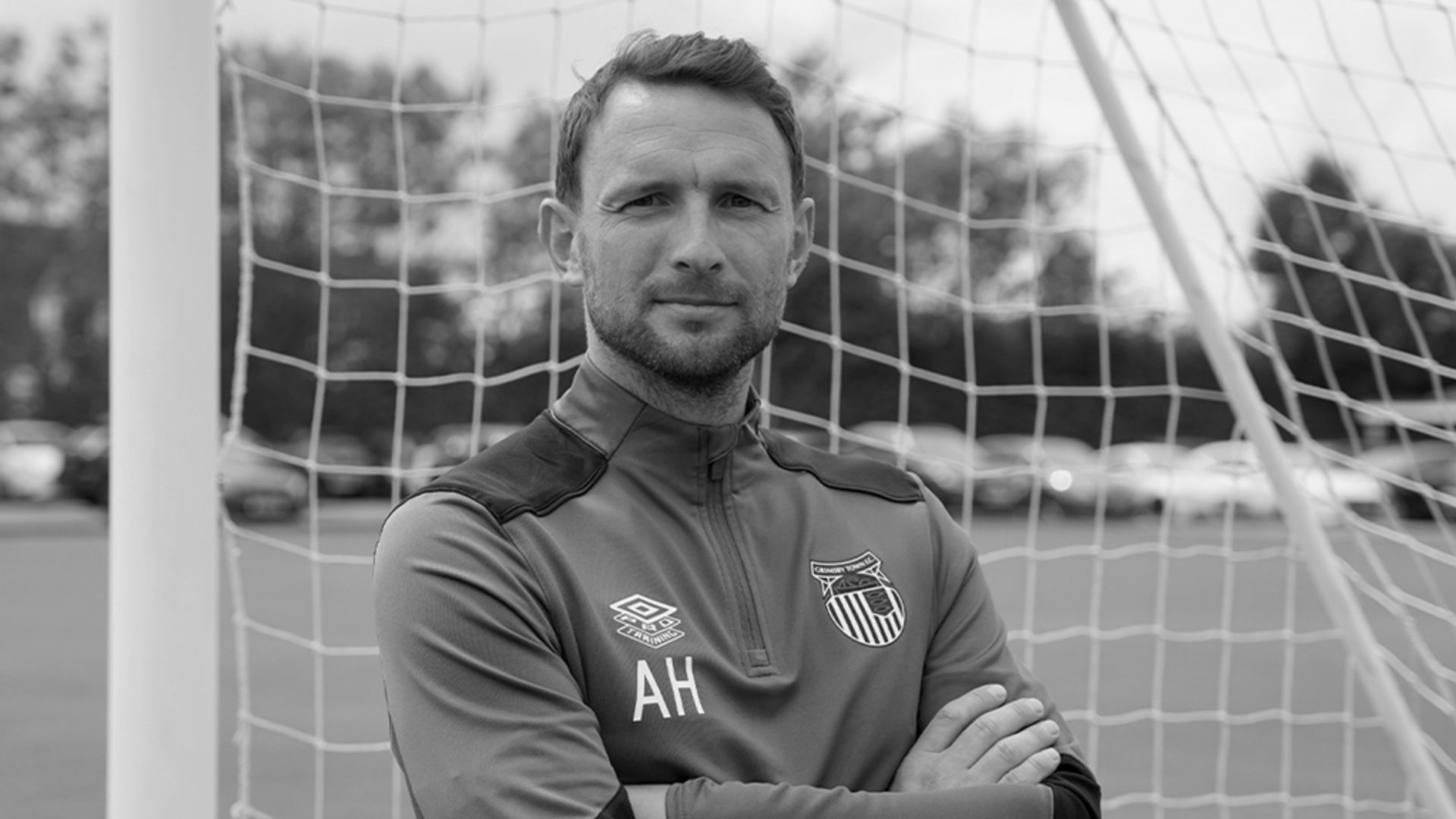
What Happened: Understanding the Sudden Loss
Mark Hughes, celebrated for his formidable career with Manchester United and the Welsh national team, faced an unimaginable personal loss when his son died suddenly. The inquest confirmed that the cause was Sudden Adult Death Syndrome, a condition that claims lives abruptly without warning signs or pre-existing symptoms.
SADS is often linked to underlying cardiac issues, particularly arrhythmias or electrical abnormalities of the heart. These conditions can remain undetected even during routine medical checks, making SADS a silent threat, especially among young adults who appear healthy.
The death of Hughes’ son highlights the unpredictable nature of SADS and the profound impact it has on families, particularly when it strikes individuals in the prime of their lives. The inquest provided a formal acknowledgment of the cause, offering some clarity amid the tragedy.
Why Sudden Adult Death Syndrome Matters
Sudden Adult Death Syndrome represents a significant challenge for medical professionals and families alike. Despite advances in cardiology, many cases remain unexplained until a sudden fatal event occurs. The syndrome’s elusive symptoms and rapid onset make preventative measures difficult.
For families like the Hughes, understanding SADS is crucial for raising awareness and potentially saving lives. The syndrome predominantly affects young adults who may exhibit no outward signs of illness, making education on the condition vital for early detection and intervention where possible.
In the broader context, SADS underscores the importance of cardiac screening, especially for those with family histories of heart conditions. While not all cases can be predicted, increased vigilance and research into heart health could reduce the incidence of sudden, unexplained deaths.
What Comes Next: Raising Awareness and Preventative Measures
The tragedy involving Mark Hughes’ family serves as a poignant reminder of the need for greater awareness about Sudden Adult Death Syndrome. Medical experts advocate for enhanced screening programs, particularly targeting young adults and athletes, who may be at higher risk due to undiagnosed cardiac abnormalities.
Additionally, public health campaigns aim to educate people on recognizing potential warning signs, such as unexplained fainting, dizziness, or palpitations, even though many SADS cases occur without symptoms. Encouraging families to discuss their medical histories openly with healthcare providers can also aid in identifying individuals at risk.
For the football community and fans worldwide, this tragic loss resonates deeply, prompting calls for improved health protocols within sports organizations to monitor players’ cardiac health more rigorously.
Looking Forward: A Call to Action
The sudden death of Mark Hughes’ son from Sudden Adult Death Syndrome is a stark illustration of the condition’s devastating reach. It calls for intensified efforts in medical research, public education, and preventive healthcare to combat this silent killer.
While full details about the circumstances remain private, the inquest’s findings emphasize the urgency of recognizing and addressing SADS. Families, medical professionals, and sporting bodies must collaborate to implement strategies that can detect risks early and potentially save lives.
As the football world mourns, this tragedy ignites a vital conversation on heart health awareness, ensuring that others do not suffer a similar fate in silence.