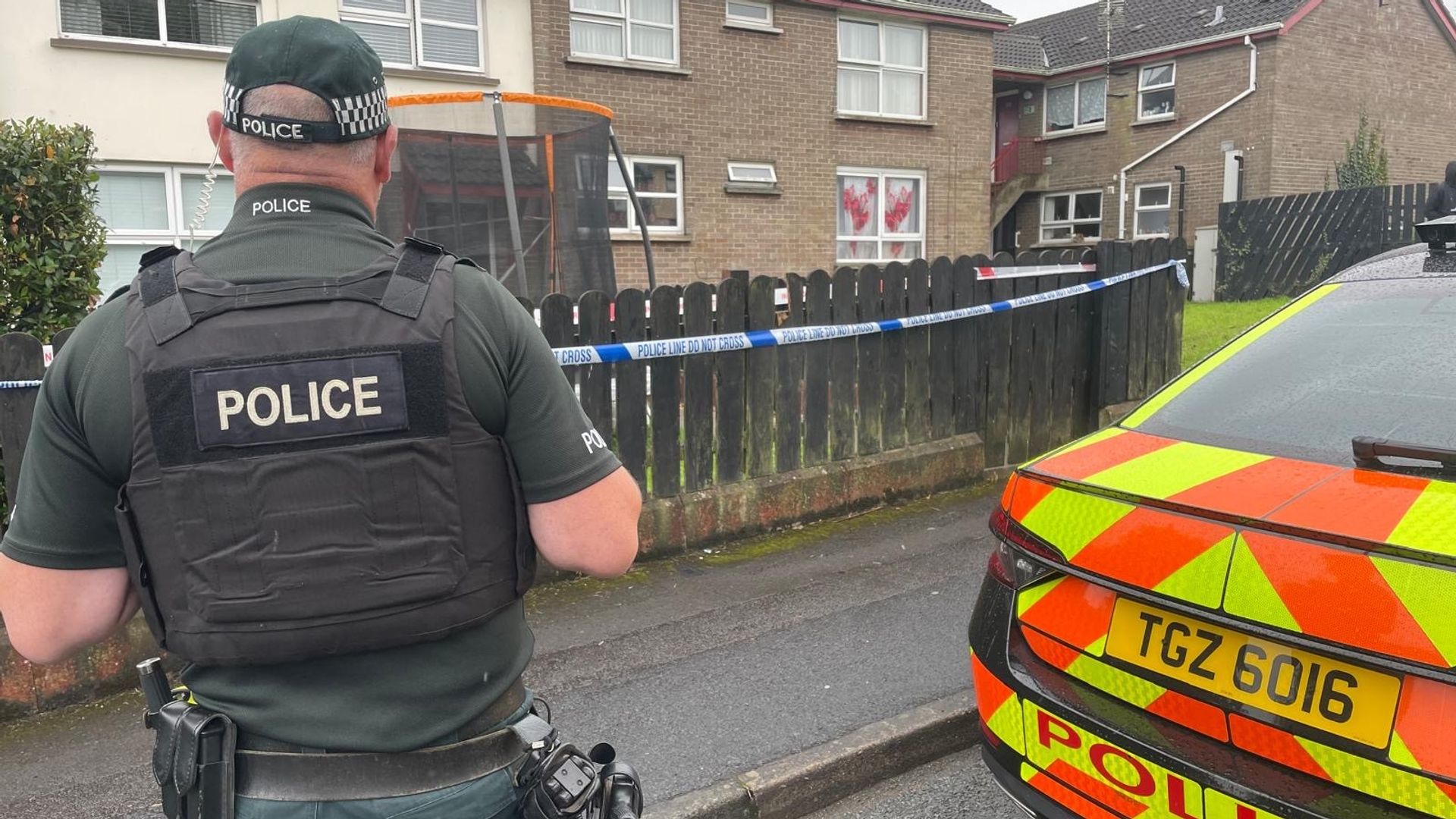
The police marksman who fatally shot Chris Kaba will not face any disciplinary proceedings, the Independent Office for Police Conduct (IOPC) has officially confirmed. This decision marks a significant development in the ongoing scrutiny of the incident that has sparked widespread public interest and debate.
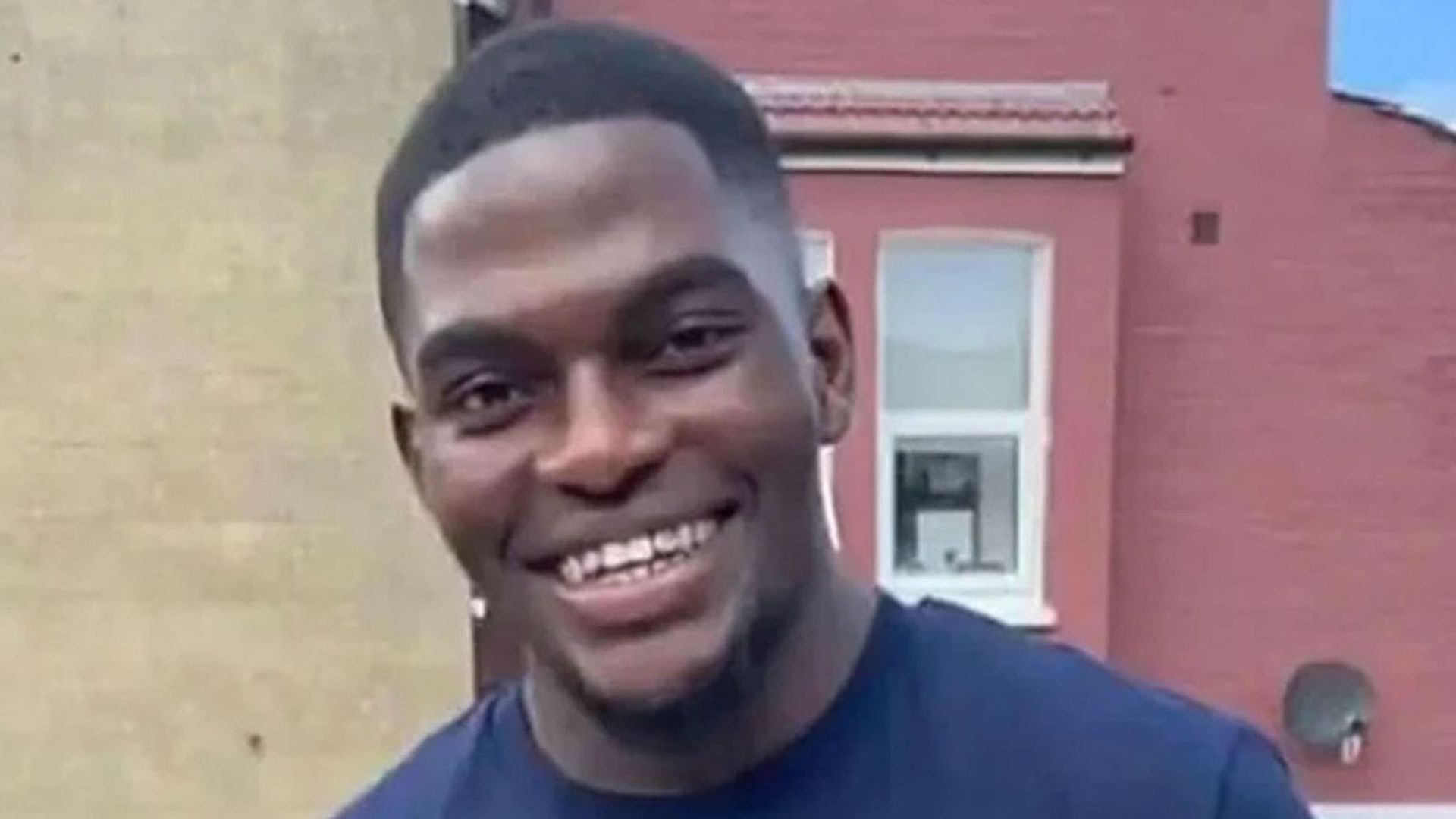
Background: The Fatal Shooting of Chris Kaba
Chris Kaba was fatally shot by a police marksman during an operation that drew intense media and public attention. The incident raised urgent questions regarding the use of force by law enforcement officers and the circumstances leading up to the shooting.
The Independent Office for Police Conduct, responsible for investigating serious incidents involving the police in England and Wales, launched a thorough examination of the shooting. The investigation aimed to determine whether the marksman’s actions warranted further disciplinary measures or criminal charges.
IOPC’s Decision and Its Implications
After a comprehensive review, the IOPC concluded that the marksman would not face disciplinary proceedings. This outcome indicates that the evidence gathered did not support allegations of misconduct or breaches of protocol by the officer involved.
The decision underscores the complexities of police use-of-force cases, where officers must often make split-second decisions under dangerous and unpredictable conditions. The IOPC’s role is to balance accountability with a fair assessment of an officer’s actions in high-pressure situations.
While the marksman is cleared of disciplinary action, the investigation continues to weigh on public trust in law enforcement, especially amid calls for greater transparency and reform in policing practices.
Why This Matters: Public Trust and Police Accountability
The shooting of Chris Kaba ignited a broader conversation about police accountability, systemic issues within law enforcement, and the impact of such incidents on communities across the UK. The IOPC’s decision not to pursue disciplinary action may fuel further debate among activists, policymakers, and the public.
Chris Kaba’s death remains a poignant reminder of the delicate balance between maintaining public safety and protecting individual rights. For many, the case symbolizes ongoing challenges in addressing police conduct and ensuring justice is served transparently.
This development also highlights the critical role of independent bodies like the IOPC in scrutinizing police behavior. Their findings contribute to shaping policies and training that aim to prevent avoidable tragedies and promote ethical policing standards.
What Comes Next: Looking Ahead
While no disciplinary proceedings will be initiated against the marksman, the investigation into the shooting’s full circumstances may continue, potentially influencing future policy reforms. The public and legal observers will likely watch closely for any further revelations or actions stemming from this case.
For the families involved and the wider community, the decision represents a complex and emotional milestone. It underscores the need for ongoing dialogue about policing methods, use of force, and how best to foster trust between law enforcement and the public they serve.
Ultimately, this case serves as a critical point of reflection for the UK’s criminal justice system, emphasizing the importance of accountability, transparency, and continuous improvement in police practices.
Full details have not yet been released.