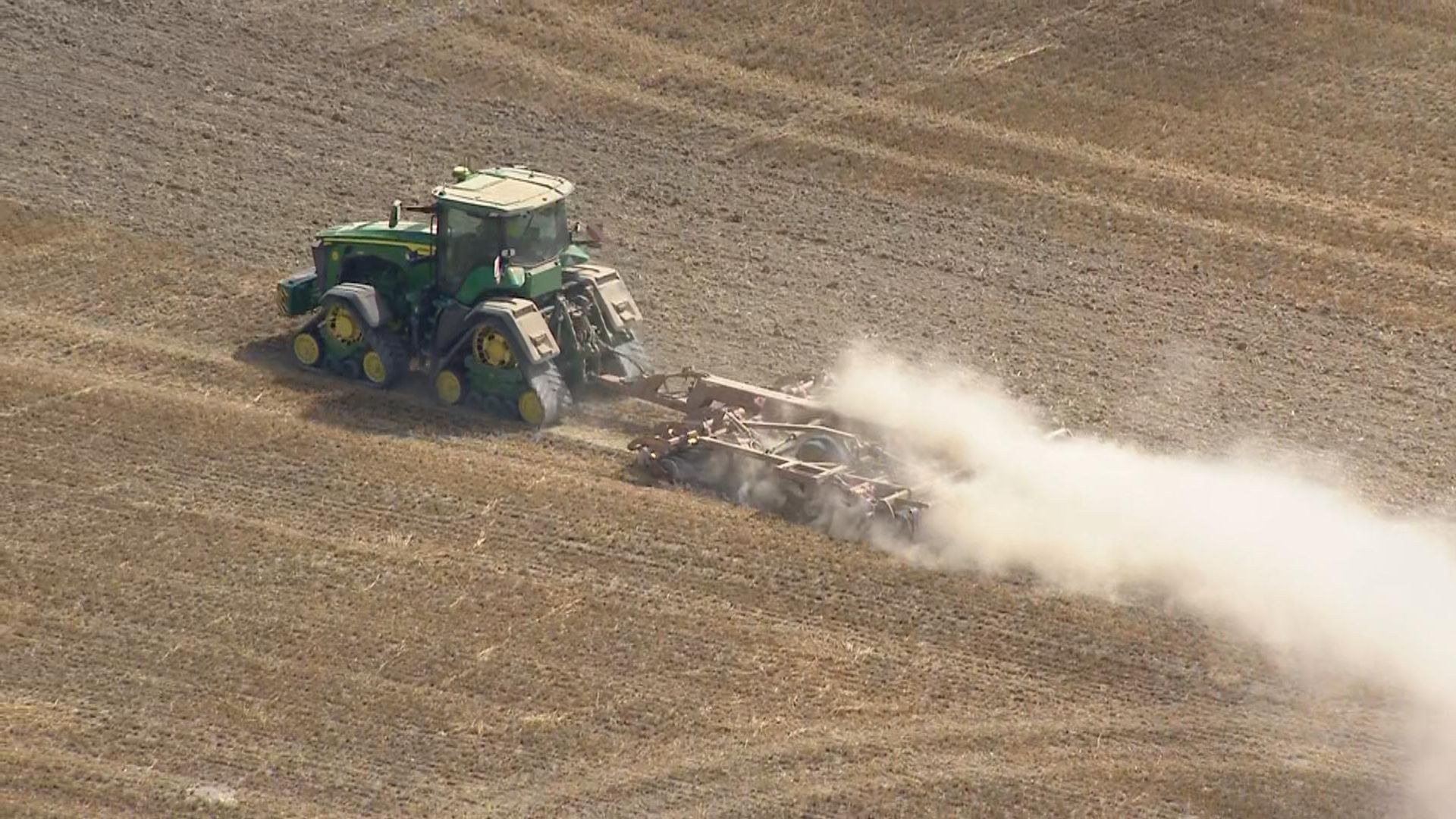
Once celebrated by William Blake as a “green and pleasant land,” England’s landscape has transformed dramatically. The country now endures an unprecedented agricultural crisis, with vast stretches of farmland turning a sickly yellow due to an acute shortage of rainfall. This drought is not just an environmental concern—it poses a direct threat to Britain’s national security by undermining food production and supply stability.
What Happened: The Brutal Harvest and Its Impact on Crops
England’s agricultural sector is grappling with one of the most challenging harvests in recent memory. The prolonged lack of rain has severely stressed crops across the country, leading to significant yield reductions. Farmers report parched soil and stunted growth, forcing many to abandon fields that once thrived. This “brutal” harvest threatens to slash the production of essential staples such as wheat, barley, and vegetables.
The drought’s severity is unprecedented in several decades, disrupting planting schedules and irrigation patterns. Without adequate moisture, crop resilience diminishes, making them vulnerable to pests and diseases. This situation has sparked concerns about food shortages and price spikes, as domestic supply becomes constrained and reliance on imports grows.
Why It Matters: National Security and Food Supply Risks
The agricultural crisis extends beyond economic losses, striking at the heart of Britain’s national security framework. Food security forms a critical pillar of any nation’s stability, and disruptions in domestic food production can trigger cascading effects on social welfare and geopolitical resilience.
Experts warn that diminished harvests could lead to increased dependence on international markets, which are themselves volatile due to climate change and geopolitical tensions. Such dependency leaves Britain vulnerable to supply chain disruptions, trade restrictions, and price fluctuations, potentially escalating food insecurity among vulnerable populations.
Moreover, the strain on natural resources like water and arable land highlights the urgent need for sustainable agricultural practices. Without significant adaptation, recurrent droughts may become the new normal, exacerbating the risk to national food supplies.
What Comes Next: Addressing the Crisis and Building Resilience
In response to the crisis, policymakers and agricultural leaders are exploring strategies to mitigate the damage and safeguard future harvests. These include investing in drought-resistant crop varieties, improving water management infrastructure, and promoting regenerative farming techniques that enhance soil health and moisture retention.
Additionally, there is growing emphasis on diversifying food sources and strengthening local supply chains to reduce reliance on imports. Enhancing monitoring and forecasting systems will also be crucial to anticipate weather extremes and deploy resources efficiently.
The government faces pressure to integrate climate adaptation into national security planning, recognizing that environmental challenges increasingly intersect with economic and social stability. This approach demands coordinated action across sectors, from agriculture and water management to trade and defense.
Looking Ahead: The Stakes for Britain’s Food Future
England’s transformation from a “green and pleasant land” into a drought-stricken landscape serves as a stark reminder of climate change’s tangible effects. The ongoing agricultural crisis underscores the fragility of food systems and the vital importance of proactive measures to ensure national security.
For Britain, addressing this challenge means more than just managing a single season’s poor harvest. It requires a comprehensive strategy that embraces innovation, sustainability, and resilience to safeguard food production against future shocks. Failure to act decisively could jeopardize not only the agricultural economy but also the wellbeing and security of millions of citizens.
As the nation confronts this harsh reality, the urgent message is clear: securing Britain’s food future demands immediate and sustained commitment across all levels of society.