Current referral guidelines for general practitioners (GPs) fail to identify the vast majority of women under 50 who later develop breast cancer, according to a revealing new analysis. This gap in early detection protocols raises urgent concerns about the effectiveness of existing risk assessment criteria and highlights a critical need for updated strategies to protect younger women from delayed diagnosis.
Referral Criteria Missing Most Younger Women at Risk
General practitioners rely on established referral criteria to decide when to send women for further breast cancer screening or specialist evaluation. However, the analysis indicates that these guidelines largely overlook women under 50, even those who eventually receive a breast cancer diagnosis within ten years. This oversight means that younger women, who may have significant risk factors, remain unidentified and miss crucial early interventions.
Breast cancer is commonly perceived as a disease affecting older women, which has influenced the development of referral thresholds and risk scoring systems. Consequently, younger women without obvious family history or genetic markers often do not meet the criteria that would trigger a referral. As a result, many of these cases are only detected when symptoms become apparent, potentially at more advanced stages.
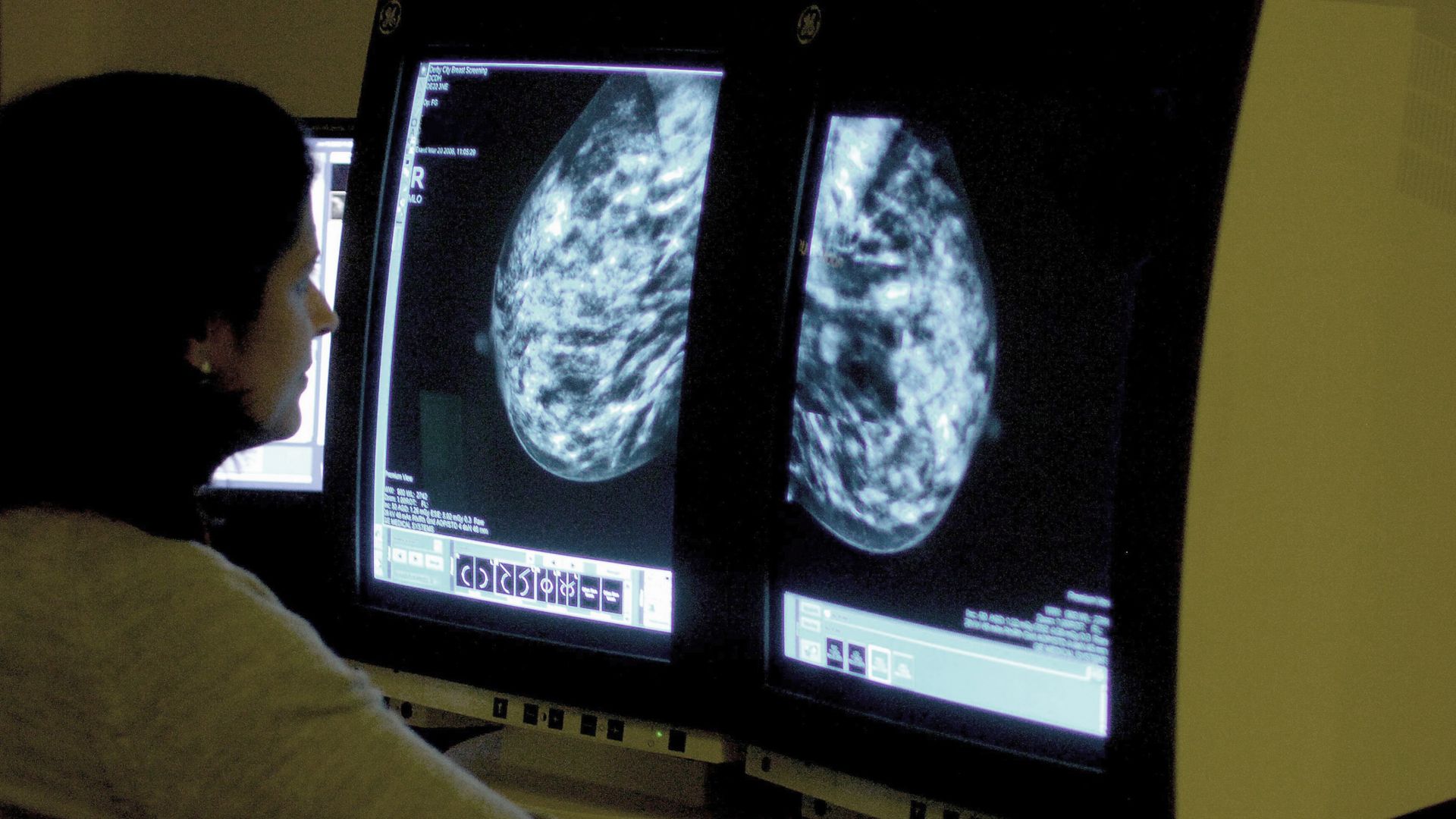
The analysis underscores that nearly all women under 50 who later develop breast cancer fall outside the existing referral parameters. This finding suggests that current guidelines are insufficiently sensitive to the nuances of breast cancer risk in younger populations and may contribute to delayed diagnoses that adversely affect outcomes.
Why Early Detection in Women Under 50 Matters
Breast cancer remains the most common cancer among women worldwide, with incidence rates rising in younger demographics. Early detection through timely referrals and screening dramatically improves survival rates and reduces treatment complexity. Missing the window for early intervention can lead to more aggressive disease progression, increased treatment costs, and poorer quality of life.
For women under 50, breast cancer often presents differently and may be more aggressive compared to cases in older women. This makes early identification and referral even more critical. Yet, the current clinical pathways do not adequately address these distinctions, leaving a vulnerable group at risk of falling through the cracks in the healthcare system.
Moreover, younger women frequently face unique challenges, including concerns about fertility preservation and long-term side effects of treatment. Early referrals can enable more comprehensive care planning that takes these factors into account, ensuring better overall management of the disease.
Moving Toward More Inclusive Referral Guidelines
This analysis calls for a reevaluation of breast cancer referral guidelines to incorporate risk factors and indicators specific to younger women. Expanding criteria beyond traditional markers such as family history or genetic predisposition could enhance the identification of at-risk individuals under 50.
Healthcare policymakers and cancer specialists are urged to develop more nuanced risk assessment tools that reflect the diverse presentations of breast cancer across age groups. Integrating lifestyle factors, breast density, and emerging biomarkers may improve the predictive power of referral guidelines.
GPs must also receive updated training and resources to recognize subtle signs and risk profiles in younger women. Empowering primary care providers with better tools can facilitate earlier referrals and ultimately save lives.
What This Means for Women and Healthcare Systems
For women under 50, this gap in referral practices represents a significant barrier to timely breast cancer detection. Awareness campaigns tailored to younger women, alongside improved GP guidelines, could lead to earlier diagnosis and better outcomes.
From a healthcare perspective, addressing this shortfall could reduce the burden of advanced breast cancer treatment and associated costs. Early-stage cancers are generally less expensive to treat and have higher cure rates, making better referral systems both a health and economic imperative.
In summary, the evidence highlights an urgent need to update breast cancer referral criteria to encompass the unique risks faced by women under 50. Closing this gap will enhance early detection, improve survival rates, and ensure that younger women receive the care and attention they deserve.
Full details of the proposed changes and the analysis outcomes have not yet been released, but the findings spotlight a critical area for immediate healthcare improvement.