England and Wales have endured their driest July on record, a climatic anomaly that underscores the intensifying impact of prolonged dry spells and heatwaves across the region. As the nation grapples with parched landscapes and heightened heat health warnings, the situation demands urgent attention to its environmental and societal implications.
July’s Record-Breaking Dryness and Its Impact
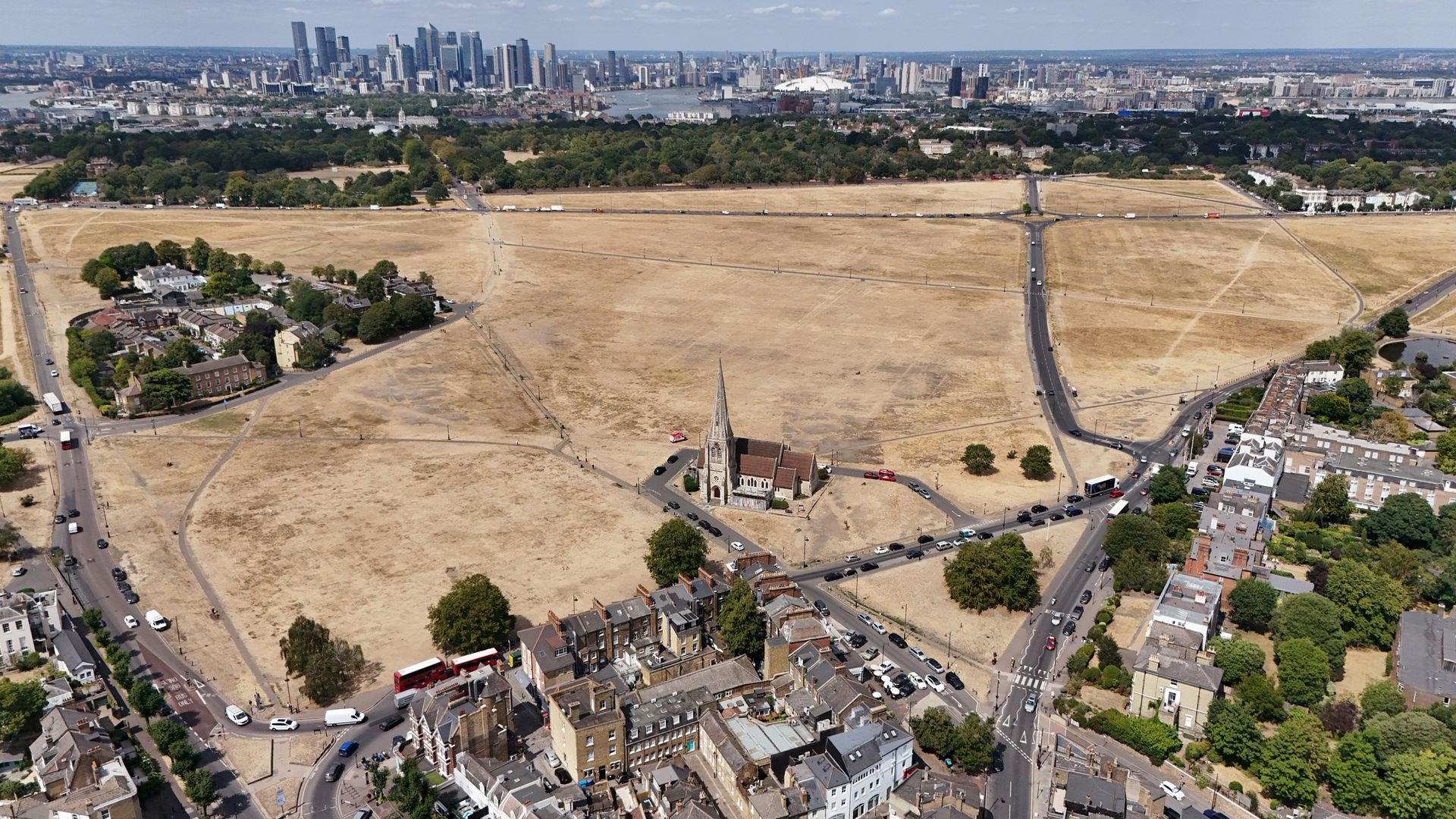
The grass in London’s Blackheath has turned a stark brown, a visible testament to the exceptional dryness sweeping across England and Wales. Provisional data confirms that July 2026 stands out as the driest month ever recorded for these countries, breaking historical weather records with an unprecedented lack of rainfall.
This sustained dryness fuels concerns about water scarcity, agricultural stress, and increased wildfire risks. The persistent lack of moisture in soil and vegetation also threatens biodiversity, as ecosystems that depend on regular precipitation face severe stress.
The effects extend beyond the environment; agricultural productivity is under threat, with farmers confronting challenges in crop growth and livestock management. Water reservoirs have dwindled, prompting authorities to consider restrictions to safeguard essential supplies for households and businesses alike.
Escalating Heatwave Alerts and Public Health Risks
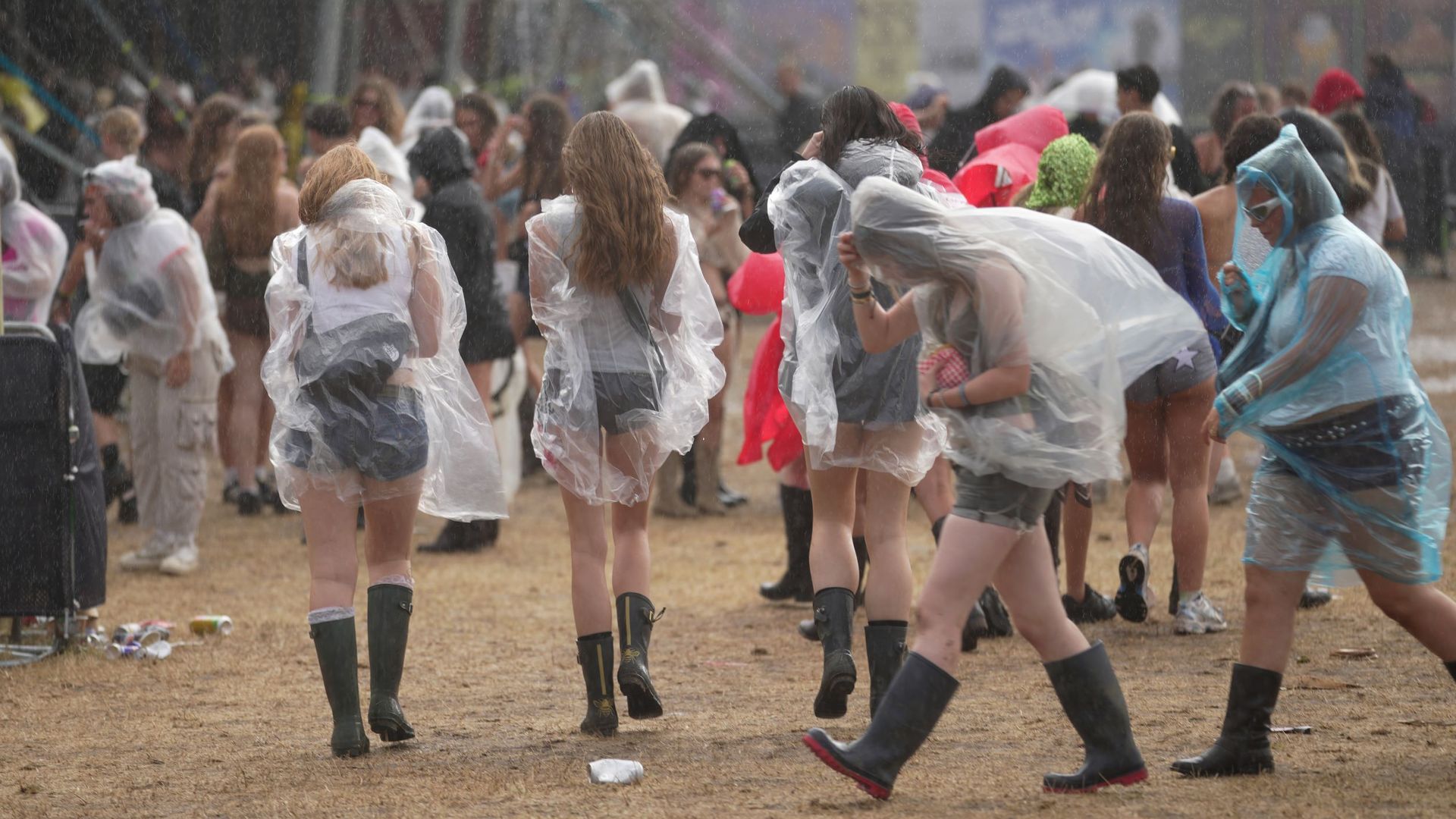
Compounding the dry conditions, the UK Met Office has escalated heat health alerts to amber in several regions of England. This upgrade signals a higher risk of heat-related illnesses and emphasizes the urgency for residents to take precautions amid the fourth heatwave of the year.
The amber alert indicates that temperatures are expected to reach levels that could adversely affect vulnerable groups, including the elderly, children, and those with pre-existing health conditions. Health services are preparing for a potential surge in heat-related cases, advising the public to stay hydrated, avoid strenuous activities during peak heat, and check on at-risk individuals.
These heatwaves are not isolated incidents but part of a broader pattern linked to climate change, which is driving more frequent and intense extreme weather events. The combination of record dryness and soaring temperatures creates a compounding stress on infrastructure, public health, and natural habitats.
Why This Matters and What Comes Next
The record-setting dryness in July and the ongoing heatwaves highlight the pressing challenges posed by climate variability. For England and Wales, these conditions raise critical questions about resilience and adaptation strategies.
Water management policies must evolve to address dwindling supplies and increased demand during hotter, drier summers. Investments in sustainable agriculture, drought-resistant crops, and efficient irrigation systems become essential to safeguard food security. Additionally, urban planning and public health frameworks need to integrate climate risk assessments to mitigate heat-related dangers effectively.
Communities across England and Wales are called to heighten awareness and preparedness as these climatic extremes become more common. Government agencies, scientific bodies, and local authorities must collaborate to implement proactive measures that reduce vulnerability and enhance adaptive capacity.
In the face of these record-breaking conditions, the message is clear: climate resilience is no longer optional but a necessity. Monitoring, planning, and responding to these environmental shifts will determine the wellbeing of people, ecosystems, and economies in the years ahead.
Takeaway: The driest July on record in England and Wales, coupled with escalating heatwave alerts, serves as a stark reminder of the growing impacts of climate change. Addressing these challenges requires coordinated action across sectors to protect public health, ensure water security, and strengthen environmental resilience as extreme weather becomes the new norm.