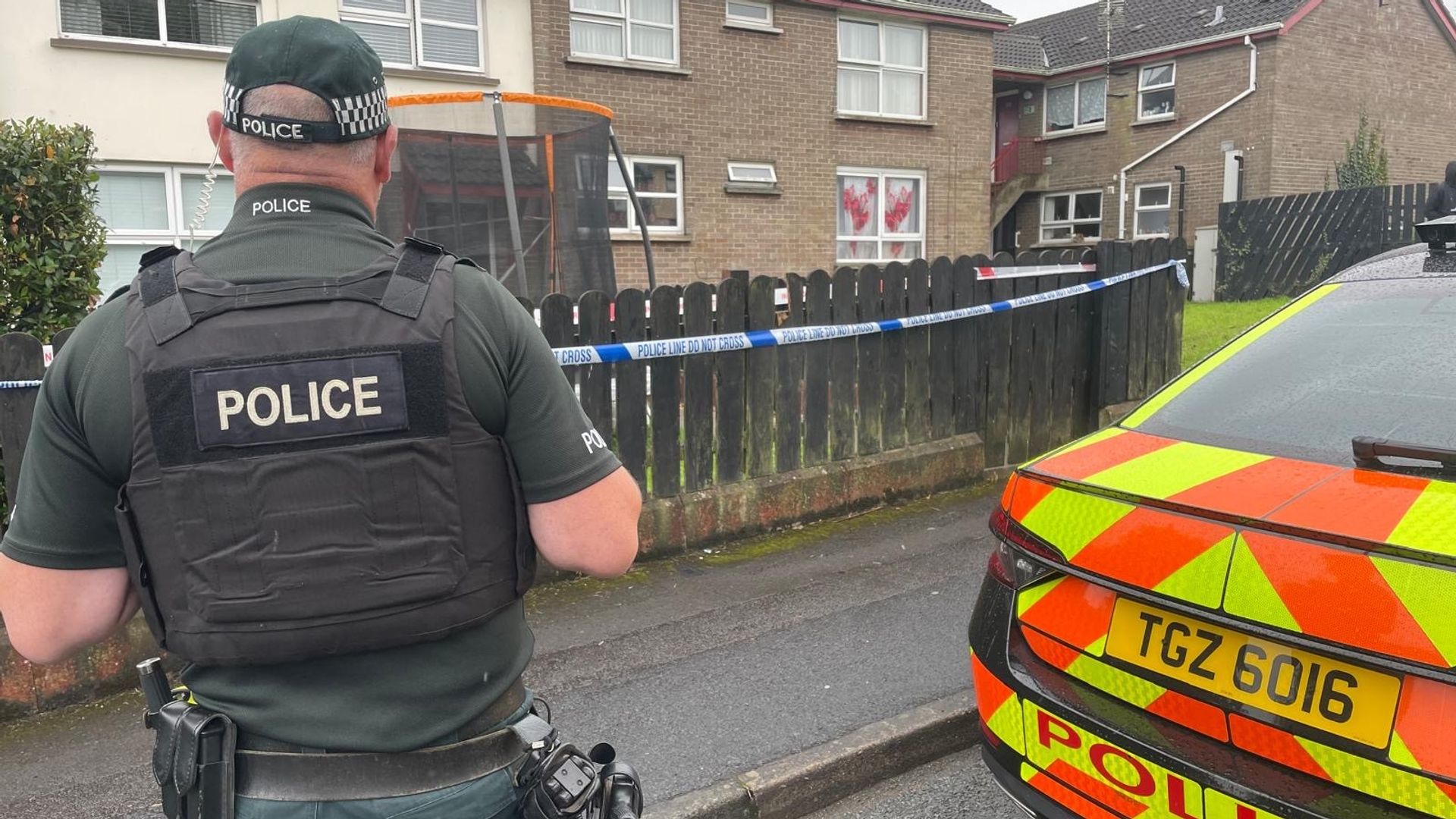
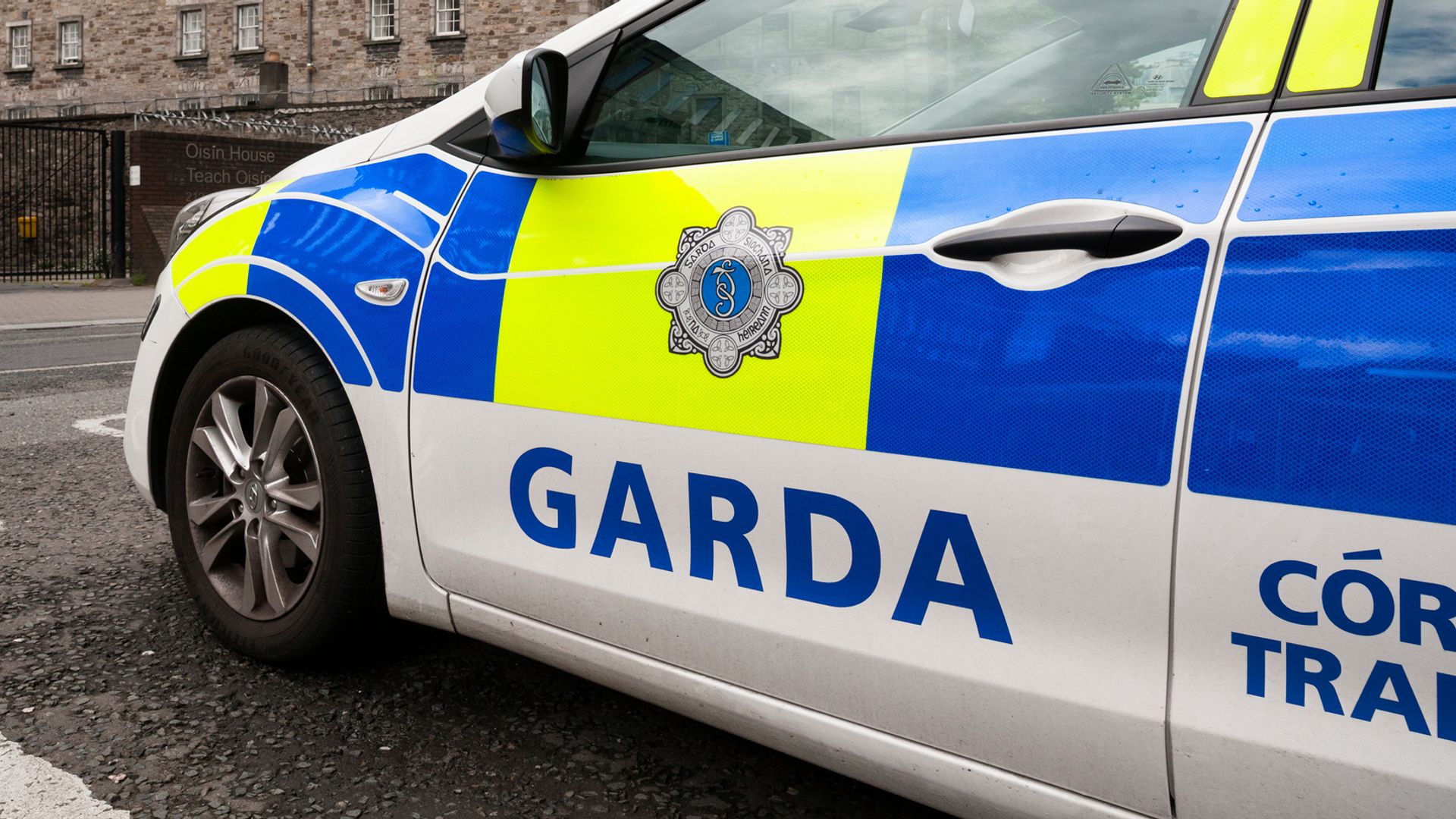
Irish law enforcement officials have successfully intercepted a car bomb deemed “extremely significant” near the border separating the Republic of Ireland from Northern Ireland. This critical security operation highlights ongoing tensions and the persistent threat of paramilitary violence in the region.
What Happened: The Interception of a High-Risk Car Bomb
Authorities discovered and neutralized a vehicle packed with explosives close to the Irish border, a flashpoint area frequently monitored for security threats. The police response was swift, preventing what could have been a devastating attack. While specific details about the bomb’s size or intended target have not been fully disclosed, officials described the device as highly dangerous and indicative of serious intent.
The location near the border is particularly sensitive due to the historical and ongoing complexities between communities in Northern Ireland and the Republic of Ireland. Security forces remain on high alert as political developments and paramilitary activities continue to influence stability.
Why This Interception Matters: Context and Implications
Car bombs have a fraught history in Ireland, especially during the decades-long conflict known as the Troubles, where paramilitary groups routinely used such devices to inflict damage and spread fear. Although the Good Friday Agreement of 1998 significantly reduced violence, sporadic paramilitary actions still pose risks to peace and security.
This recent interception underscores that threat has not vanished entirely. The authorities’ ability to detect and defuse such a device is a testament to ongoing vigilance, intelligence efforts, and cooperation between Irish and British security forces.
Moreover, the timing of this event may be linked to recent political tensions surrounding Brexit and border arrangements, which have complicated relations between communities on both sides of the border. The incident serves as a stark reminder that the security landscape in the region remains fragile.
What Comes Next: Security Measures and Community Impact
In the aftermath of this foiled attack, law enforcement agencies are expected to intensify patrols and surveillance along the border, working closely with intelligence services to identify and dismantle any remaining threats. Security experts emphasize the importance of maintaining strong cross-border cooperation.
Communities near the border often live with heightened anxiety due to past violence and the potential for new incidents. The interception of this car bomb, while a success, may also heighten local concerns about safety and stability. Authorities are likely to engage with community leaders to reassure residents and prevent escalation.
Politically, this event may prompt renewed discussions on how best to secure the border while respecting the delicate balance of peace established in recent decades. It also puts pressure on policymakers to address the root causes of ongoing paramilitary activity, including unresolved grievances and economic disparities.
Looking Ahead: Maintaining Vigilance in a Complex Landscape
The interception of an “extremely significant” car bomb near the Irish border represents both a critical security victory and a sobering reminder of persistent threats in the region. While peace has largely held since the late 1990s, sporadic violence continues to challenge law enforcement and political stability.
Efforts to prevent such attacks rely on intelligence gathering, community cooperation, and sustained political will. As authorities work to secure the border and dismantle paramilitary networks, the broader goal remains clear: safeguarding the hard-won peace and ensuring that the shadow of past conflicts does not darken the future.
Full details about the incident and any individuals involved have not yet been released, but the significance of this prevention effort is clear for all who value security and peace in Ireland and Northern Ireland.