The United Kingdom has officially declared drought conditions in parts of Wales and England for the first time this year, marking a significant escalation in the ongoing water crisis driven by unprecedented heatwaves, wildfires, and rapidly shrinking rivers. This declaration highlights the severity of the dry spell gripping large swaths of the country and raises urgent concerns about water supplies, agriculture, and ecosystems.
Where Drought Has Been Declared and Why It Matters
Two regions in Wales and a section of England have now been formally recognized as experiencing drought, following weeks of below-average rainfall and soaring temperatures. Local authorities and water management agencies confirmed the declaration after monitoring soil moisture, river flows, and reservoir levels reached critical lows. This marks the first official drought declaration for the UK this year, underscoring how extreme weather patterns are increasingly impacting the nation’s water resources.
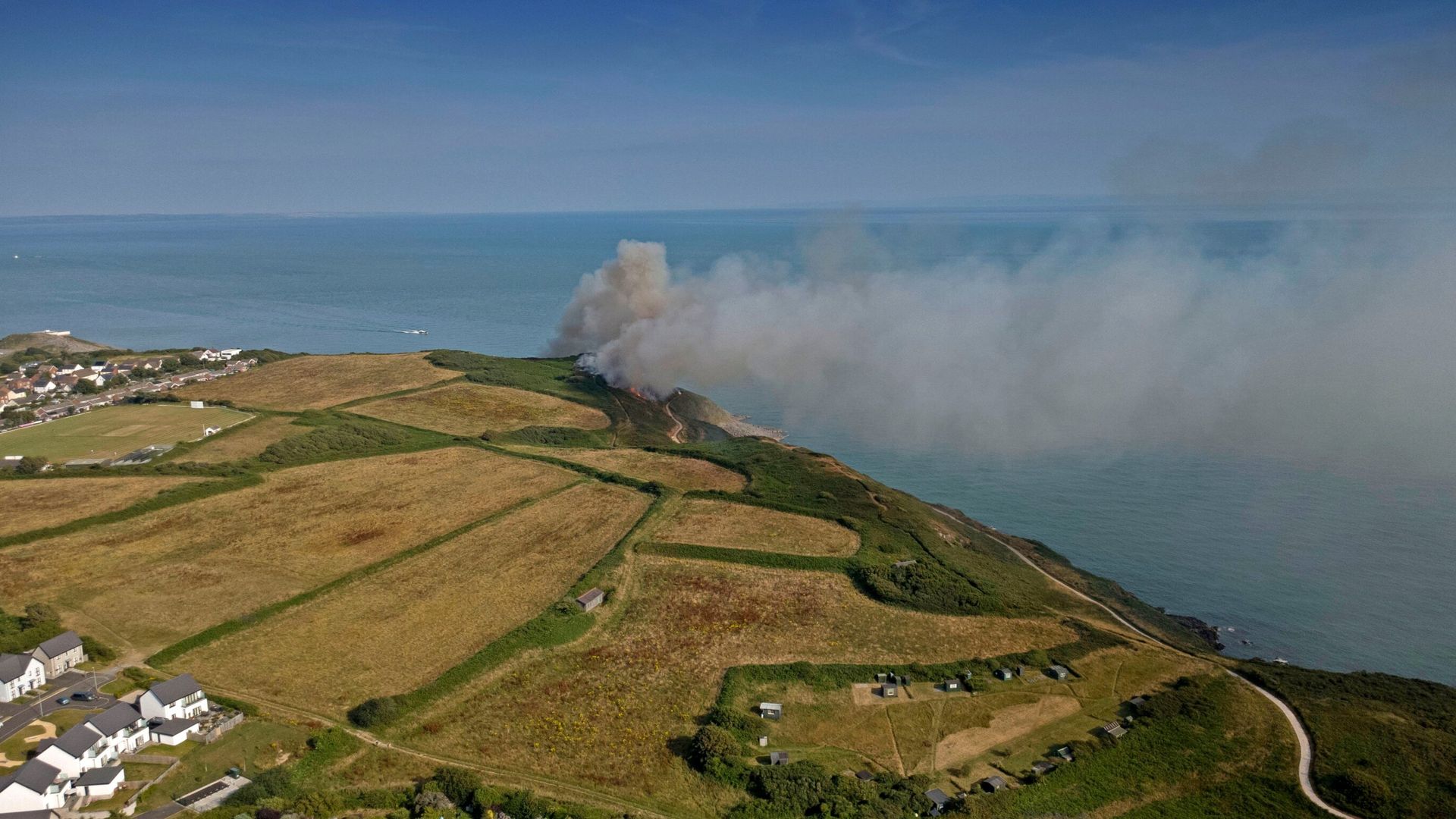
The drought areas are facing a combination of stress factors: prolonged dry spells that have parched the soil, intense heatwaves that accelerated evaporation, and a series of wildfires fueled by dry vegetation. Rivers that normally serve as key water sources have dwindled to historic lows, threatening both drinking water supplies and natural habitats. Reservoirs are also dangerously depleted, forcing water companies and local governments to consider stricter usage restrictions to conserve the remaining reserves.
These drought declarations do not just signal a shortage of water; they have cascading effects on communities, agriculture, industry, and wildlife. Farms reliant on irrigation may struggle to maintain crops, potentially impacting food supply chains. Wildlife that depends on freshwater habitats faces increased stress, while the heightened risk of wildfires continues to threaten lives, property, and biodiversity.
Background: The Climate Trends Driving UK Droughts
The UK’s first drought declarations come amid a broader context of shifting climate patterns that have brought more frequent and intense heatwaves to the region. Over the past decade, the country has seen a rise in summer temperatures and a decrease in consistent rainfall, trends experts attribute to climate change.
Historically, the UK’s temperate climate ensured relatively stable rainfall and abundant water supplies. However, recent years have shattered this pattern, with summer months becoming progressively drier. The current drought is part of a worrying trend where hot, dry spells follow one another with little reprieve.
Wildfires, once rare in the UK, have become more common as dry vegetation accumulates. These fires not only consume natural landscapes but also exacerbate drought impacts by destroying plant cover that helps retain soil moisture. The combined effects of heat, dryness, and fire risk create a feedback loop that intensifies water scarcity and environmental damage.
What This Means for the UK Moving Forward
This initial drought declaration serves as a stark warning about the growing vulnerability of the UK’s water systems. Authorities have begun emergency planning to mitigate the impacts, including imposing water use restrictions, enhancing reservoir management, and increasing public awareness campaigns about water conservation.
Water companies may introduce hosepipe bans and encourage households and businesses to reduce consumption. Meanwhile, policymakers face pressure to invest in long-term infrastructure improvements, such as expanding water storage capacity and promoting sustainable water use practices.
For residents, the drought signals a need to adapt daily habits to conserve water and prepare for more frequent dry spells in the future. For farmers and industries dependent on water, it represents a call to innovate and diversify water sources and usage methods.
Environmental groups stress the importance of protecting natural ecosystems that buffer drought impacts by maintaining healthy soils and wetlands. Preserving these natural assets can help sustain water supplies and biodiversity even as climate challenges intensify.
Looking Ahead: Preparing for a Drier Future
The UK’s first drought declaration of the year is a clear indicator that extreme weather events are no longer anomalies but part of a new normal. As climate change continues to affect rainfall patterns and temperature extremes, the country must accelerate efforts to build resilience against water scarcity.
Coordination among government agencies, water providers, communities, and environmental organizations will be essential to manage drought risks effectively. Proactive strategies, informed by scientific monitoring and climate projections, can help mitigate the worst impacts and safeguard water security for future generations.
In the coming months, monitoring will continue closely to determine whether other regions face similar drought conditions. The situation underscores the urgent need for comprehensive water management policies that address both immediate shortages and long-term climate adaptation.
The official drought declarations in Wales and England serve as a critical reminder: water is a precious resource under increasing threat, demanding collective action to conserve and protect it.