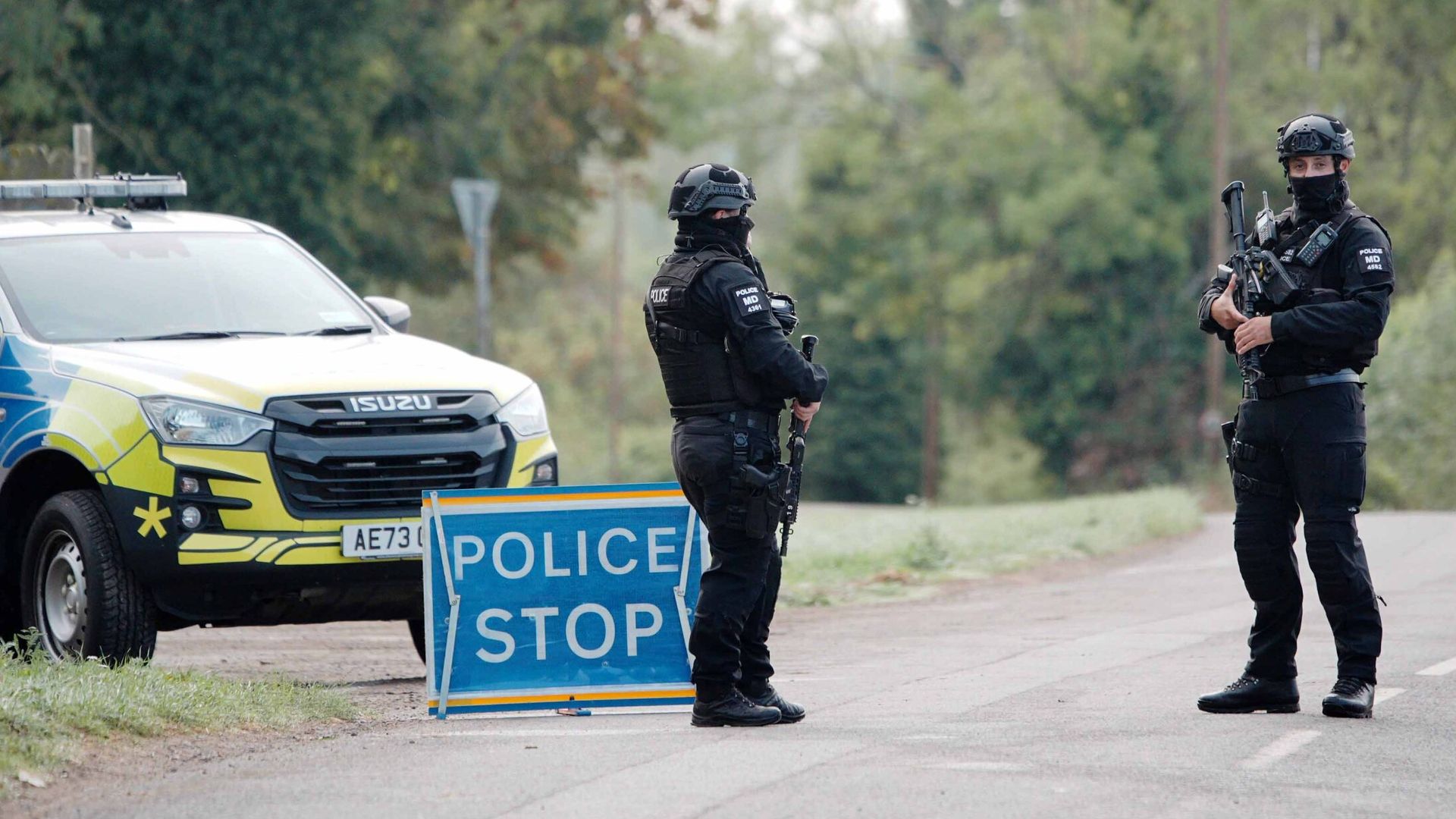
A man charged with failing to disclose critical information linked to the Manchester synagogue attack has formally denied the allegation in court. This development marks a significant moment in the ongoing investigation into the violent incident that shook the local community.
The Court Appearance and Charges
During a recent hearing, the accused firmly rejected claims that he withheld information relevant to the synagogue attack. The charge specifically alleges that the individual did not provide authorities with material details that could aid in understanding or preventing further threats related to the incident.
The Manchester synagogue attack, which raised profound concerns about community safety and religious tolerance, prompted a swift and thorough investigation by law enforcement. Authorities have been pursuing any leads, including probing the roles and knowledge of individuals connected to the event.
By denying the charge, the defendant sets the stage for a legal process that will scrutinize the evidence and testimony surrounding this case. The court’s role will be crucial in determining whether there was indeed an intentional failure to disclose pertinent information.

Context of the Manchester Synagogue Attack
The attack on the Manchester synagogue sent shockwaves through the city, highlighting vulnerabilities in the protection of religious institutions. Synagogues, as centers of worship and community gathering, have increasingly become targets in various parts of the world, sparking urgent calls for enhanced security measures.
Local authorities, alongside national security agencies, have intensified efforts to prevent similar incidents by investigating not only the perpetrators but also anyone who might have had knowledge of plans or intentions to harm the community. This comprehensive approach aims to close any gaps that could allow such attacks to happen unnoticed.
In this context, the charge against the man for allegedly not sharing critical information takes on added gravity. If someone with relevant knowledge fails to come forward, it undermines law enforcement’s ability to protect vulnerable populations and thwart potential threats.
Why This Case Matters
The denial of the charge raises important questions about accountability and the responsibilities of individuals who might possess information related to violent acts. Transparency and cooperation with authorities are essential components in maintaining public safety and trust.
This case also underscores the broader challenges faced by communities confronting hate crimes and terrorism. Ensuring that all parties contribute to investigations helps build a safer environment and deters future attacks.
Moreover, the legal proceedings will provide an opportunity to clarify the standards and obligations regarding information disclosure in sensitive criminal investigations. The outcome could influence how similar cases are handled going forward.
Looking Ahead
As the court process unfolds, the community and observers will closely watch the developments. The accused’s denial means the case will proceed with detailed examination of evidence, witness statements, and legal arguments.
Ultimately, this case highlights the critical importance of cooperation between the public and law enforcement in combating acts of violence and hate. Protecting places of worship and ensuring justice for affected communities depend on vigilance and accountability at every level.
Full details of the investigation and subsequent legal proceedings have not yet been released, but the coming weeks promise to shed more light on this complex and sensitive matter.