The BBC has unveiled a major restructuring plan that will see the closure of several linear broadcast services, including BBC Three, BBC Scotland, and BBC Radio 4 Extra, by the spring of 2027. This bold move is part of a strategic effort to save £500 million amidst increasing financial pressures on the public broadcaster.
What the Announced Cuts Involve
In a detailed announcement, the BBC confirmed that it will cease the traditional linear television and radio broadcasts for BBC Three, BBC Scotland, and Radio 4 Extra. The closures are scheduled for spring 2027, marking a significant shift away from conventional broadcasting towards a more digital-focused model.
BBC Three, which originally launched as a linear TV channel targeting younger audiences, will no longer operate in its current broadcast format. Similarly, BBC Scotland—the dedicated television channel serving Scottish viewers with local programming—and BBC Radio 4 Extra, known for its archive of classic spoken-word content, will also stop their linear services.
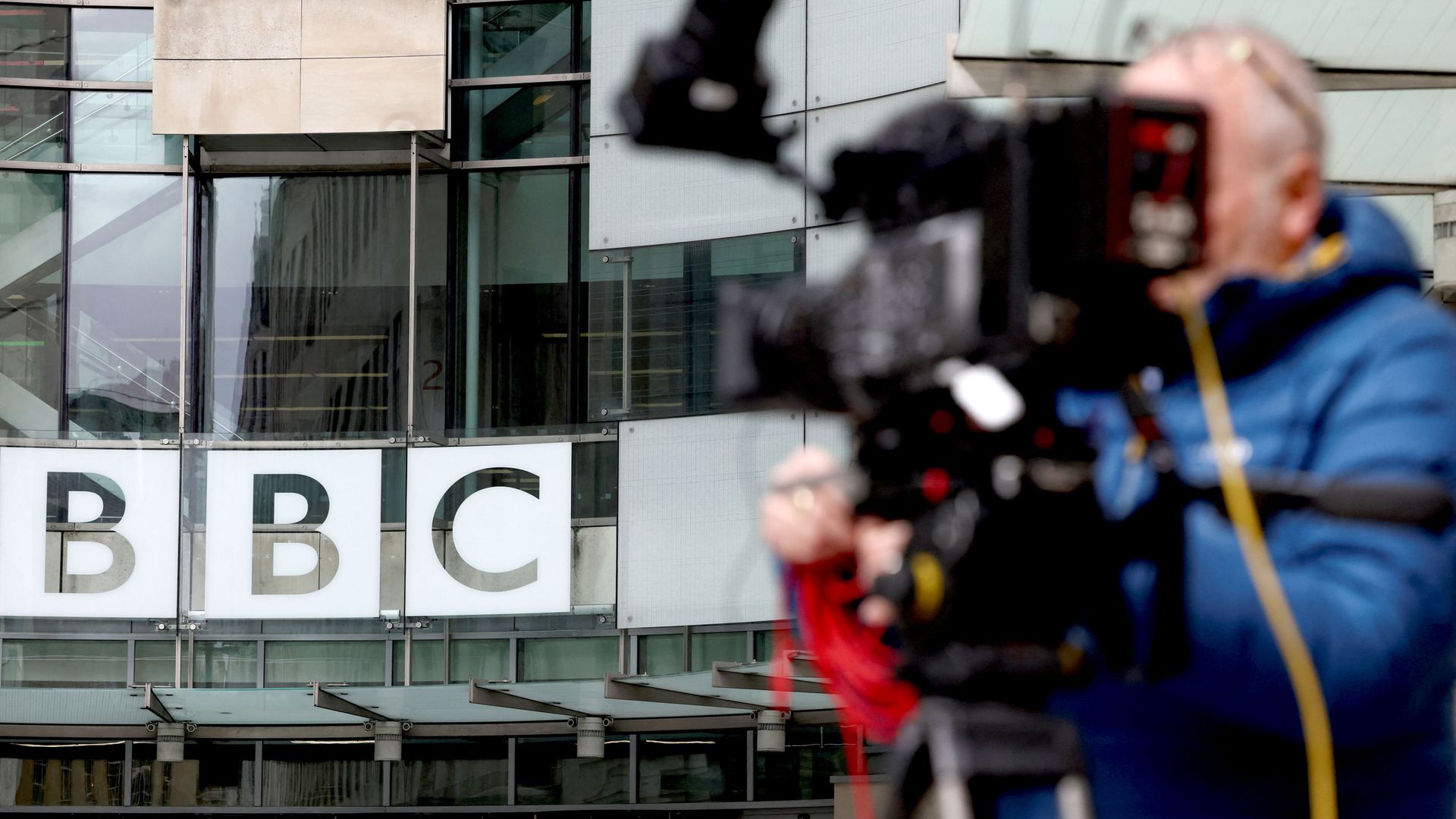
Instead of traditional broadcasting, the BBC intends to emphasize digital platforms, streaming, and on-demand content. This transition aligns with changing viewer habits, particularly among younger demographics who increasingly consume media online rather than via scheduled TV or radio broadcasts.
Why the BBC Is Making These Changes
The BBC faces mounting financial challenges, including stagnant license fee revenues, rising production costs, and expanding competition from global streaming giants. To address these pressures, the corporation must find ways to reduce spending while continuing to fulfill its public service remit.
Closing the linear services of BBC Three, BBC Scotland, and Radio 4 Extra is expected to contribute significantly toward the target of saving £500 million. The move reflects a broader strategy to streamline operations, invest more heavily in digital innovation, and prioritize content that delivers the greatest public value.
Industry analysts observe that this shift is part of a global media trend where traditional linear broadcasting is losing ground to digital consumption. By reallocating resources, the BBC hopes to maintain its relevance in a rapidly evolving media landscape and better serve audiences who expect on-demand, accessible content.
What This Means for Audiences and the Future of BBC Content
For audiences, the end of these linear broadcasts means a transition period where familiar services will no longer be available in their current form. Viewers and listeners will need to adapt to accessing BBC content through digital channels, including the BBC iPlayer and other online platforms.
However, the BBC has committed to continuing the essence of these services in digital formats. For example, BBC Three will maintain its focus on youth-oriented programming, but delivered primarily via streaming rather than scheduled TV. Similarly, BBC Scotland will continue to provide Scottish-focused content digitally, aiming to preserve regional identity and diversity.
Radio 4 Extra’s rich library of spoken-word programs will also be accessible through online platforms, ensuring that loyal listeners retain access to classic dramas, comedies, and documentaries.
This transformation highlights the BBC’s response to changing media consumption habits and its effort to future-proof its content delivery. While the closures mark an end to traditional broadcasting formats, they open opportunities for innovation and expanded digital engagement with audiences.
Looking Ahead: The BBC’s Strategic Evolution
The BBC’s decision to close these linear channels by 2027 signals a significant evolution in public broadcasting strategy. By prioritizing digital services, the corporation aims to remain financially sustainable and culturally relevant amid a rapidly shifting media environment.
These changes underscore the challenges faced by publicly funded broadcasters worldwide as they adapt to new technologies and audience preferences. For the BBC, balancing cost savings with its mission to deliver diverse, high-quality content will require careful planning and ongoing investment in digital infrastructure.
Ultimately, the transition offers a glimpse into the future of broadcasting—one where content is accessible anytime, anywhere, and tailored to individual preferences rather than rigid schedules.
Full details about the implementation and impact of these changes have not yet been released, but they mark a pivotal moment in the BBC’s ongoing transformation.