As the UK heads into the colder months, food banks across the country are sounding the alarm over a severe shortage in donations. This precarious situation threatens to leave thousands of vulnerable individuals without essential support during a season when demand traditionally surges.
What’s Driving the Donation Shortfall?
Food banks have long served as a critical lifeline for people struggling with food insecurity in the UK. However, recent reports reveal a worrying decline in the volume of donations they receive. Charities and volunteers warn that this drop comes at the worst possible time, as households face rising living costs and the onset of winter hardships.
The decline in donated food and resources stems from multiple factors. Inflation continues to squeeze household budgets, limiting people’s ability to contribute non-essential items. Additionally, supply chain disruptions and increased operational costs have compounded challenges for food banks trying to replenish their shelves.
Many food bank coordinators have expressed frustration and concern. They emphasize that while demand for emergency food parcels is climbing, the inflow of donations—both food and financial—has failed to keep pace, placing immense strain on their capacity to serve those in need.
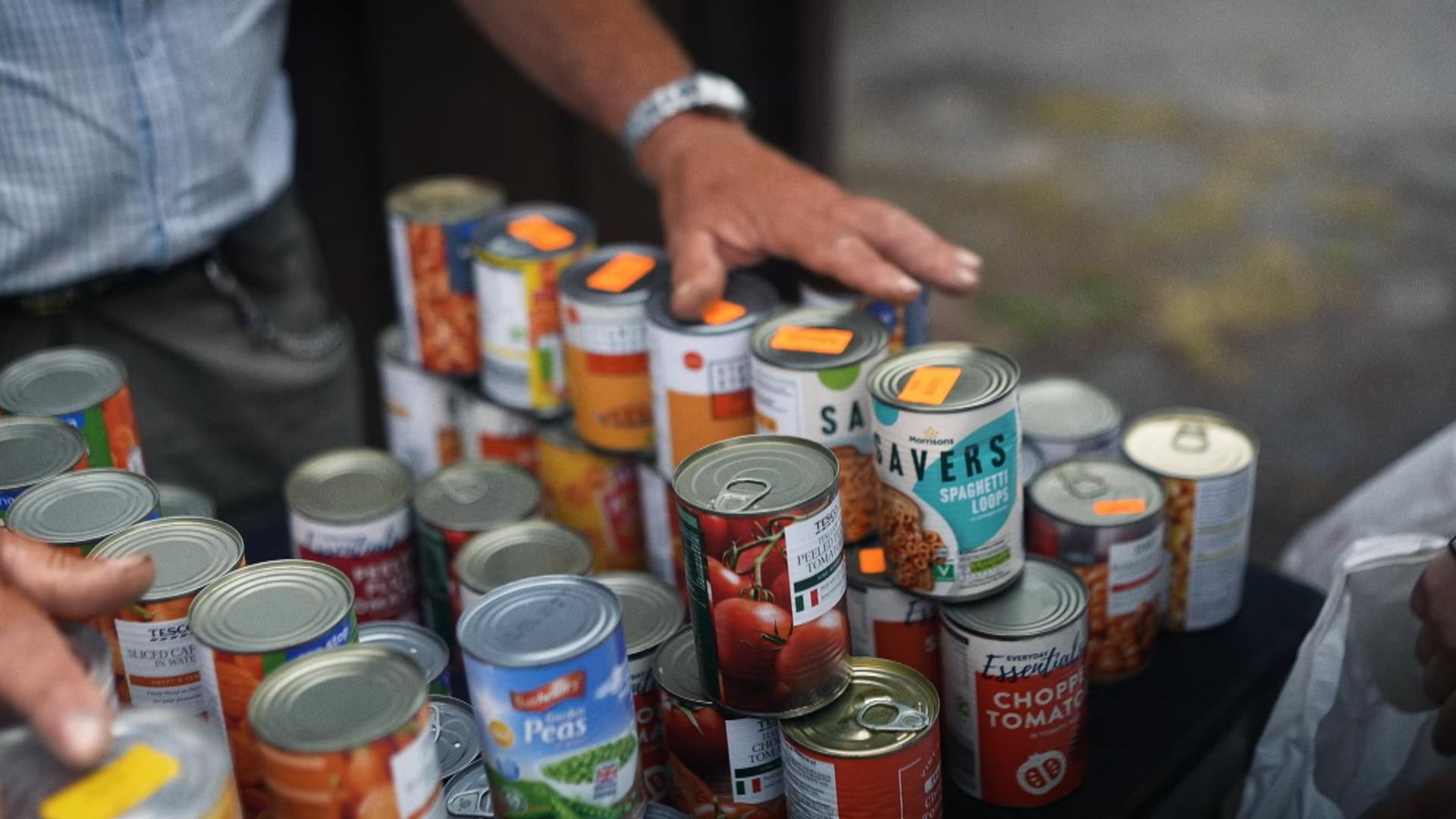
Who Is Most Affected and Why It Matters
The impact of dwindling donations is felt most acutely by low-income families, elderly individuals, and people facing unemployment or underemployment. For these groups, food banks are often the only reliable source of nutritious meals during economic downturns or personal crises.
Winter exacerbates these vulnerabilities through increased heating costs and seasonal job instability. With fewer donations arriving, food banks struggle to meet the rising demand, potentially forcing them to ration supplies or reduce the variety of nutritious foods they provide.
This situation underscores a broader social issue: the growing inequality and financial fragility faced by many UK residents. Food banks do not just provide food; they offer a critical safety net that can prevent hunger-related health problems and support community well-being.
What Comes Next: Challenges and Calls to Action
Food banks are urging individuals, businesses, and government bodies to increase their support urgently. Charitable organizations recommend donating non-perishable food items, volunteering time, or making financial contributions to bolster their efforts through the winter months.
Some local authorities are exploring partnerships with supermarkets and food producers to secure surplus food, but these initiatives require expanded funding and logistical support to be sustainable. Meanwhile, advocacy groups continue to press for systemic solutions to address the root causes of food insecurity rather than relying heavily on emergency aid.
For the public, awareness of this crisis is crucial. Understanding the scale of the problem and the role food banks play can motivate more consistent and generous giving, which is vital to avoid a humanitarian shortfall during the coldest part of the year.
Looking Ahead: Why Supporting Food Banks Is Essential
The critical shortage of donations to UK food banks signals more than just a temporary supply issue—it reflects deepening economic challenges facing millions. Without immediate and sustained action, many vulnerable people risk going hungry this winter.
Food banks act as frontline defenders against poverty and food insecurity. Their ability to function effectively depends on the generosity of communities and the commitment of policymakers to support these vital services.
As the nation navigates the complexities of inflation, energy crises, and economic recovery, ensuring food banks remain well-stocked and operational must become a priority. The health and dignity of thousands depend on it.