The alarming rise in the number of young children, some as young as six years old, attending Accident & Emergency (A&E) departments due to mental health crises has become a pressing concern for healthcare professionals and policymakers alike. Recent data reveals a sharp increase in these emergency visits, highlighting a growing mental health challenge among the youngest members of society.
Escalating Mental Health Emergencies in Young Children
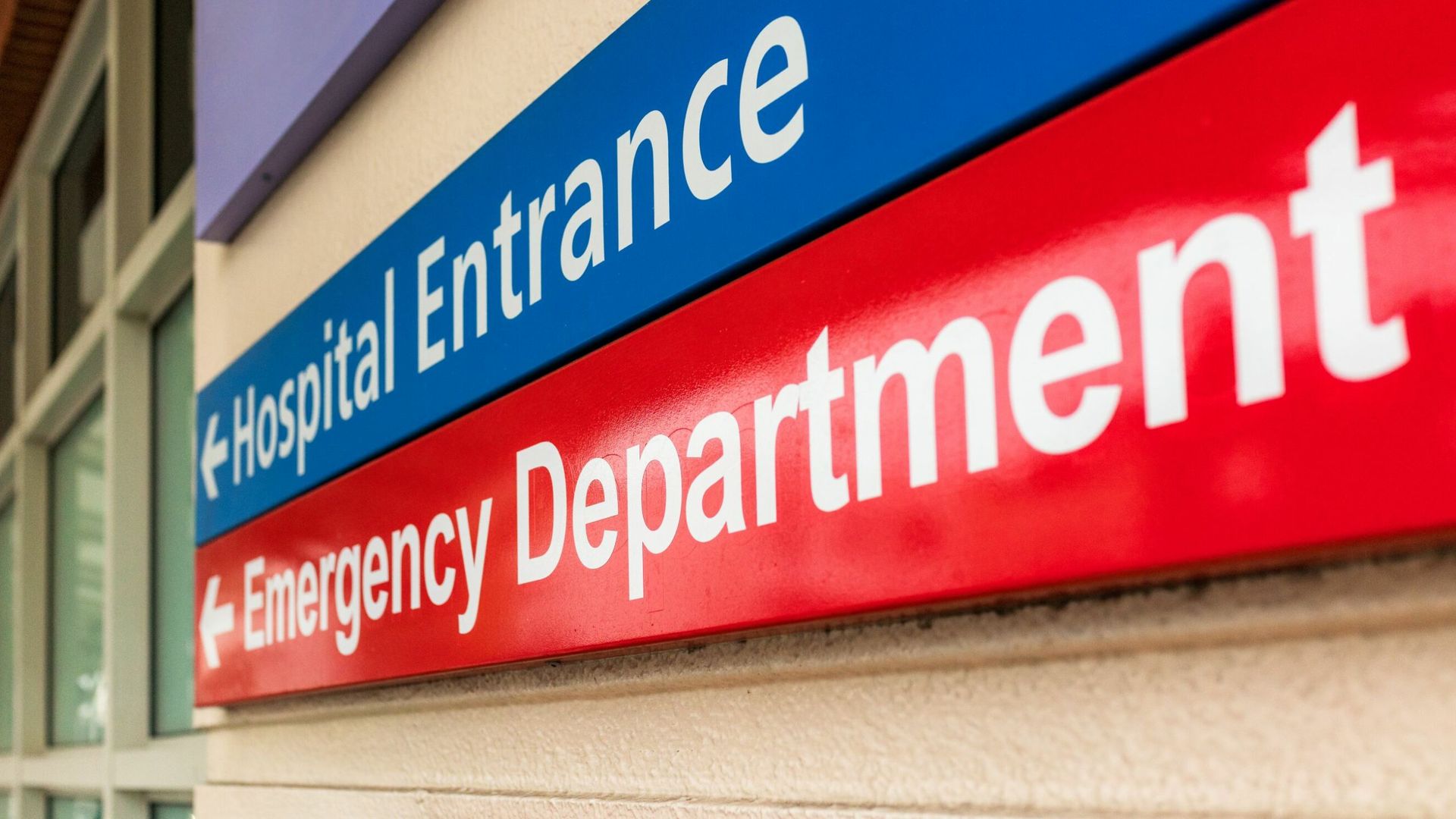
Newly released statistics show a significant uptick in A&E admissions for mental health issues among children aged six and above. This trend represents a troubling shift in the mental health landscape, where younger children are increasingly experiencing severe psychological distress that necessitates urgent medical attention.
Healthcare providers report a surge in cases involving anxiety, depression, self-harm, and other critical mental health conditions in this age group. These emergencies often require immediate intervention to stabilize the child and prevent further harm, underscoring the severity of the mental health challenges faced by young children today.
Underlying Factors Driving the Increase
Experts attribute this rise to a complex interplay of factors affecting children’s mental well-being. The ongoing impacts of the COVID-19 pandemic, including prolonged social isolation, disrupted education, and family stress, have exacerbated mental health vulnerabilities among children. Additionally, increased awareness and reduced stigma around mental health may lead more families to seek emergency care when their children are in crisis.
Furthermore, limited access to early intervention services and community-based mental health support often leaves A&E as the last resort for urgent care. The shortage of child mental health specialists and under-resourced outpatient services contribute to delays in receiving timely help, pushing children towards emergency departments when their conditions escalate.
Implications for Healthcare and Society
The surge in mental health crises among very young children poses significant challenges for the healthcare system. A&E departments are typically designed for physical emergencies and may lack specialized resources to adequately address complex pediatric mental health needs. This strain affects the quality of care and can lead to longer hospital stays and increased pressure on medical staff.
On a broader level, the rise in early childhood mental health emergencies signals a critical public health issue with long-term societal consequences. Childhood mental health profoundly influences educational outcomes, social development, and future adult well-being. Without effective early support, these children risk enduring mental health problems that impair their life trajectories.
Addressing the Crisis: What Comes Next?
Experts call for urgent investment in child and adolescent mental health services, emphasizing early detection and community-based interventions. Expanding school-based mental health programs, training for educators, and increasing access to child psychologists and counselors are vital steps to stem the tide of emergencies.
Policymakers must also prioritize funding to reduce waiting times for specialist care and improve coordination between healthcare, social services, and education sectors. Raising public awareness about mental health signs in children and promoting preventative strategies can empower families and communities to seek help before crises develop.
Ultimately, tackling this alarming rise requires a comprehensive, multi-faceted approach that ensures children receive the right support at the right time. Safeguarding the mental health of young children is essential not only for their immediate safety but for nurturing a healthier, more resilient generation.
Why This Matters: The increase in mental health crises among children as young as six is a wake-up call. It reveals how deeply mental health challenges have penetrated early childhood and stresses the urgent need for systemic changes in healthcare delivery and support systems. Addressing these issues now can prevent lifelong mental health struggles and foster healthier communities.