In response to an intense summer marked by relentless wildfires and prolonged heatwaves, the UK government has unveiled plans to equip military aircraft for wildfire suppression. This strategic move aims to bolster the nation’s firefighting capabilities amid growing concerns over climate-driven fire risks.
Why Military Aircraft Are Now Essential for Wildfire Control
Recent months have seen an unprecedented surge in wildfires across the United Kingdom, fueled by sustained high temperatures and dry conditions. These blazes have overwhelmed traditional firefighting resources, prompting urgent calls for enhanced support.
Historically, wildfire response in the UK has relied primarily on ground crews and a limited fleet of aerial firefighting assets, including helicopters and smaller aircraft. However, the scale and intensity of recent fires have exposed gaps in capacity, especially for rapid, large-scale water or retardant drops.
By adapting military aircraft for firefighting, the government intends to leverage their speed, size, and operational range. These aircraft can carry substantial volumes of water or fire retardant, enabling quicker response times and more effective containment of fast-moving fires.
Details of the Military Aircraft Conversion Plan
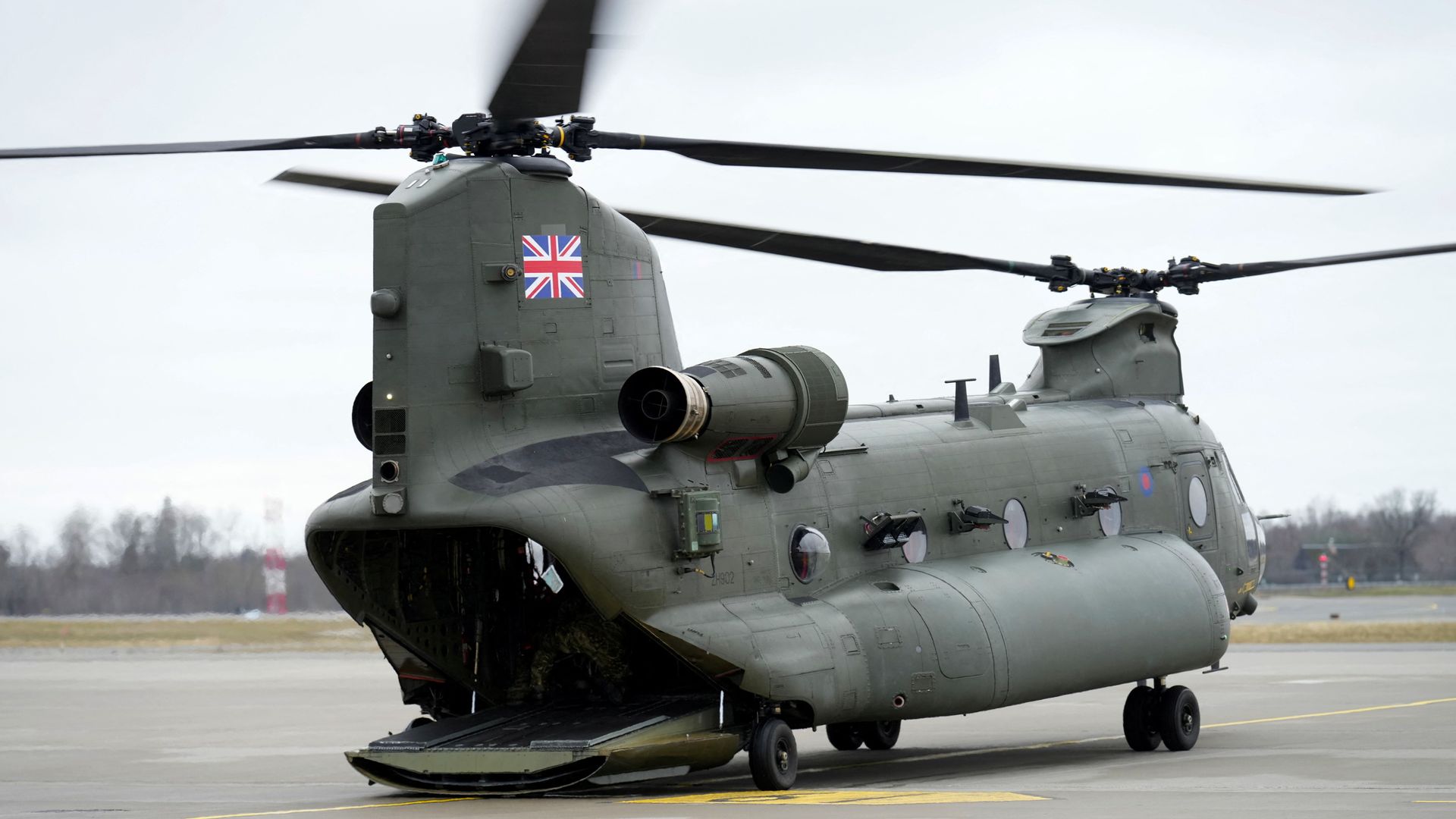
The announcement outlines that select military planes will be retrofitted with specialized equipment to support wildfire operations. This includes installing tanks and delivery systems capable of dispersing water or chemical fire suppressants from the air.
While specifics on the number or models of aircraft involved have not been fully disclosed, the initiative reflects a growing trend worldwide where armed forces provide critical support during natural disasters. The UK’s Ministry of Defence will collaborate closely with firefighting agencies to ensure that aircraft modifications meet operational needs and safety standards.
This integration aims to establish a flexible aerial firefighting fleet that can be rapidly deployed wherever wildfires threaten communities and ecosystems. Training for pilots and ground crews will also be enhanced to maximize the effectiveness of these new firefighting tools.
Implications for Future Wildfire Preparedness in the UK
This development highlights the increasing recognition of wildfires as a serious and recurring threat in the UK, once considered a relatively low-risk region for such disasters. Climate change has shifted weather patterns, making hotter and drier summers more common and increasing wildfire frequency and severity.
By incorporating military aircraft into wildfire response, the UK is adopting a more proactive and robust approach to disaster management. This strategy not only expands firefighting resources but also signals greater inter-agency cooperation in tackling climate-related emergencies.
Communities across the country stand to benefit from faster containment of wildfires, potentially reducing damage to homes, infrastructure, and natural habitats. Moreover, this move may inspire further investments in technological innovation and preparedness measures to address evolving environmental challenges.
Looking Ahead: Building Resilience Against Future Blazes
As wildfire seasons grow longer and more intense, the UK’s decision to mobilize military aircraft for firefighting represents a critical step in enhancing national resilience. This approach complements ongoing efforts to improve early warning systems, forest management, and community awareness.
Ultimately, the success of this initiative will depend on effective coordination between military and civilian agencies, continuous investment in equipment and training, and adaptive strategies that respond to changing wildfire dynamics.
With wildfires posing an escalating risk, equipping military aircraft to assist firefighting operations underscores the UK government’s commitment to protecting lives, property, and the environment in an era of climatic uncertainty.