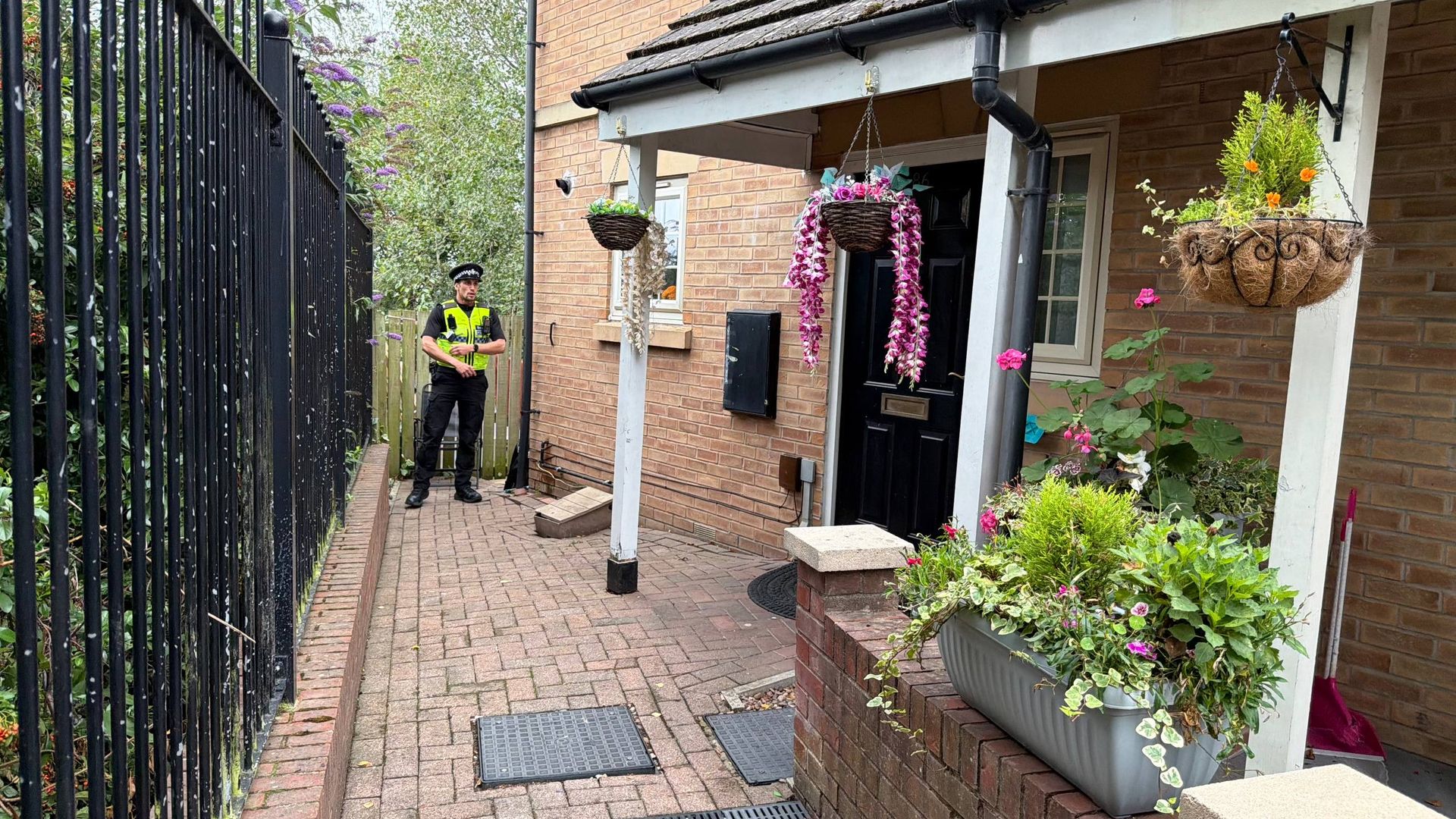
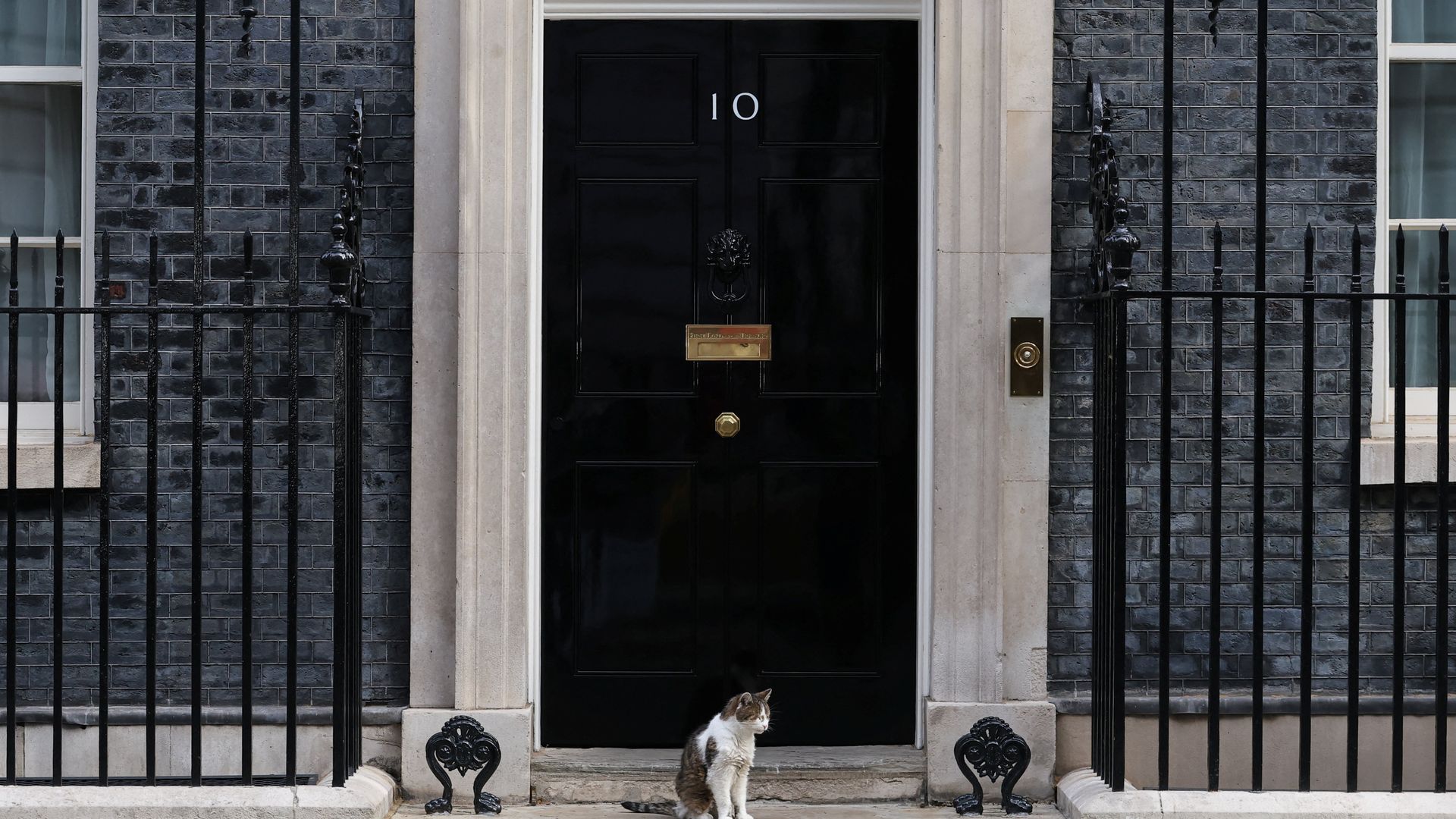
In a striking expose, a consumer watchdog successfully created a fraudulent listing for 10 Downing Street—the official residence of the British Prime Minister—on the popular travel platform Booking.com. This alarming discovery highlights significant vulnerabilities in the site’s verification processes, raising urgent questions about online security and accountability.
How the Fake Listing Was Created
The watchdog’s investigation uncovered that it was possible to list one of the most iconic and heavily guarded addresses in the world as a rental property on Booking.com. Without rigorous checks, the bogus listing appeared alongside legitimate accommodations, potentially misleading millions of users searching for stays in London.
The fraudulent entry included typical rental details such as pricing, booking availability, and photos, mimicking authentic listings. This deceptive setup exposed how Booking.com’s system lacks stringent controls to prevent high-profile or government addresses from being misrepresented.
Implications for Security and Consumer Trust
This incident reveals more than just a loophole in a booking platform—it exposes potential risks to national security and public safety. 10 Downing Street is a symbol of British governance, protected by multiple layers of security. The fact that its address could be commercialized and offered for rent online indicates a failure in digital oversight mechanisms.
Moreover, travelers rely heavily on platforms like Booking.com for trustworthy information. The presence of fake listings undermines consumer confidence and can cause confusion or even financial loss. In extreme scenarios, malicious actors could exploit such vulnerabilities to orchestrate fraud or worse.
Why This Matters and What Could Come Next
As online marketplaces continue to grow, ensuring the authenticity of listings is paramount. This case underlines the need for Booking.com and similar services to implement stronger verification protocols, especially for addresses of significant public interest or government property.
Regulatory bodies might also step in to enforce stricter compliance standards to prevent similar incidents. For consumers, vigilance is key—verifying property legitimacy outside the platform and reporting suspicious listings can help mitigate risks.
Ultimately, this episode serves as a wake-up call to both companies and users about the importance of digital security and trustworthiness in the rapidly expanding online accommodation market.
What this means: Booking.com must urgently review and enhance its listing approval processes to prevent misuse of sensitive locations. This incident also stresses the broader challenge of policing online content in an era where digital platforms wield immense influence over everyday decisions.