Climate experts have issued a stark warning that the current El Niño phenomenon is set to develop into one of the strongest on record, with significant impacts expected to last through February 2026. This intensification promises to reshape global weather patterns, triggering extreme conditions worldwide.
What Is Happening with This Year’s El Niño?
El Niño occurs when unusually warm ocean surface temperatures develop in the central and eastern tropical Pacific, disrupting atmospheric circulation patterns. This year, forecasters have identified that the sea surface temperatures are rising rapidly, signaling the transition from a moderate to a very strong El Niño event.
The National Oceanic and Atmospheric Administration (NOAA) and other meteorological agencies have observed that this El Niño is tracking toward being “exceptional” in strength. Models indicate that the warming phase, which began earlier this year, will intensify throughout the coming months and persist until at least February 2024.
The strength and duration of this event are critical because El Niño influences weather globally, affecting rainfall, temperature, and storm activity. Typically, a strong El Niño disrupts monsoon patterns, reduces hurricane activity in the Atlantic, and leads to droughts or floods in various regions.
Why This El Niño Matters: Global Weather Impacts
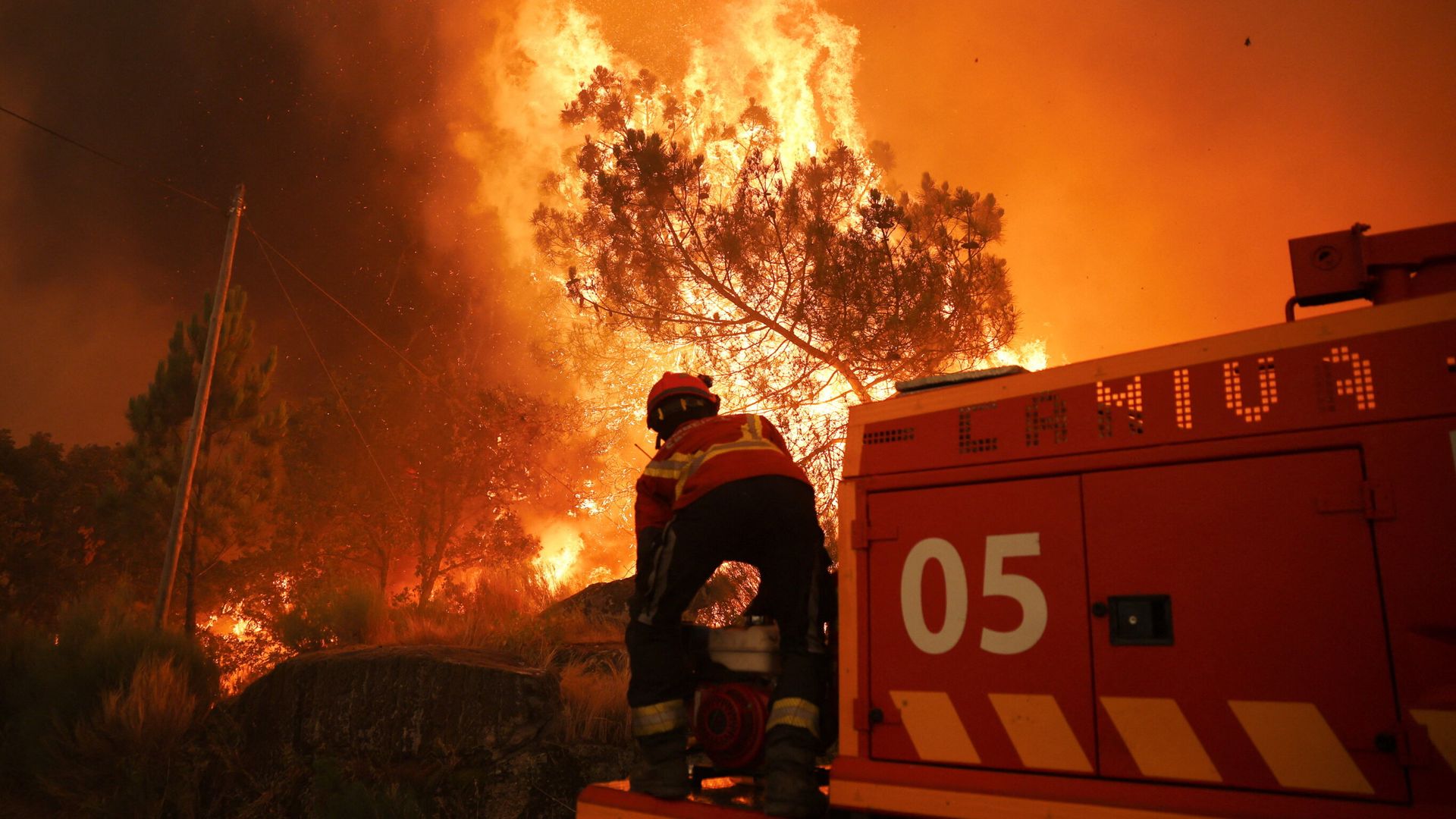
An intense El Niño can dramatically alter climate conditions around the world. Experts warn that this year’s event could exacerbate extreme weather, including heatwaves, droughts, and flooding.
Regions in the western Pacific, such as Indonesia and Australia, often experience drought during strong El Niño phases, threatening agriculture and water supplies. Conversely, parts of South America, particularly along the Pacific coast of Peru and Ecuador, may face heavy rainfall and flooding due to warmer ocean temperatures boosting storm activity.
North America can also feel El Niño’s effects strongly. Winters tend to be warmer and wetter in the southern United States, while the northern states and Canada may experience milder conditions. Additionally, a strong El Niño often suppresses Atlantic hurricane formation but can increase cyclone activity in the Pacific.
Beyond immediate weather disruptions, El Niño events influence global food security and economies. Crop failures in drought-stricken areas, damage to infrastructure from floods, and shifts in fishery yields due to ocean temperature changes can have far-reaching consequences.
What Comes Next: Preparing for an ‘Exceptional’ Event
As the El Niño intensifies, meteorologists emphasize the importance of preparedness. Governments and communities in vulnerable regions are urged to monitor forecasts closely and implement adaptive measures to mitigate the impact of extreme weather.
Water resource management will be crucial in drought-prone areas, while flood defenses and emergency response plans should be reinforced in regions expecting heavy rains. Agricultural sectors may need to adjust planting schedules or adopt resilient crop varieties to cope with changing rainfall patterns.
Scientists continue to refine predictive models to provide more accurate forecasts, enabling better planning and risk reduction. International cooperation will also play a vital role in sharing data and coordinating relief efforts where necessary.
Ultimately, this El Niño underscores the growing need to understand and adapt to climate variability. Its exceptional strength serves as a reminder of the complex interplay between oceanic conditions and atmospheric processes shaping our weather.
Looking Ahead: What This Means for Future Climate Events
The escalation of this El Niño event offers valuable insights into how climate change may influence the frequency and intensity of such phenomena. Warmer global temperatures could amplify El Niño’s impacts, leading to more severe and prolonged extreme weather episodes in the future.
Studying this event will help researchers improve climate models and develop strategies to enhance resilience. It also highlights the urgency of global efforts to reduce greenhouse gas emissions and curb warming trends.
In the coming months, communities worldwide will witness the unfolding effects of this exceptional El Niño. Staying informed and proactive remains essential to minimize risks and safeguard lives and livelihoods amid an increasingly volatile climate.