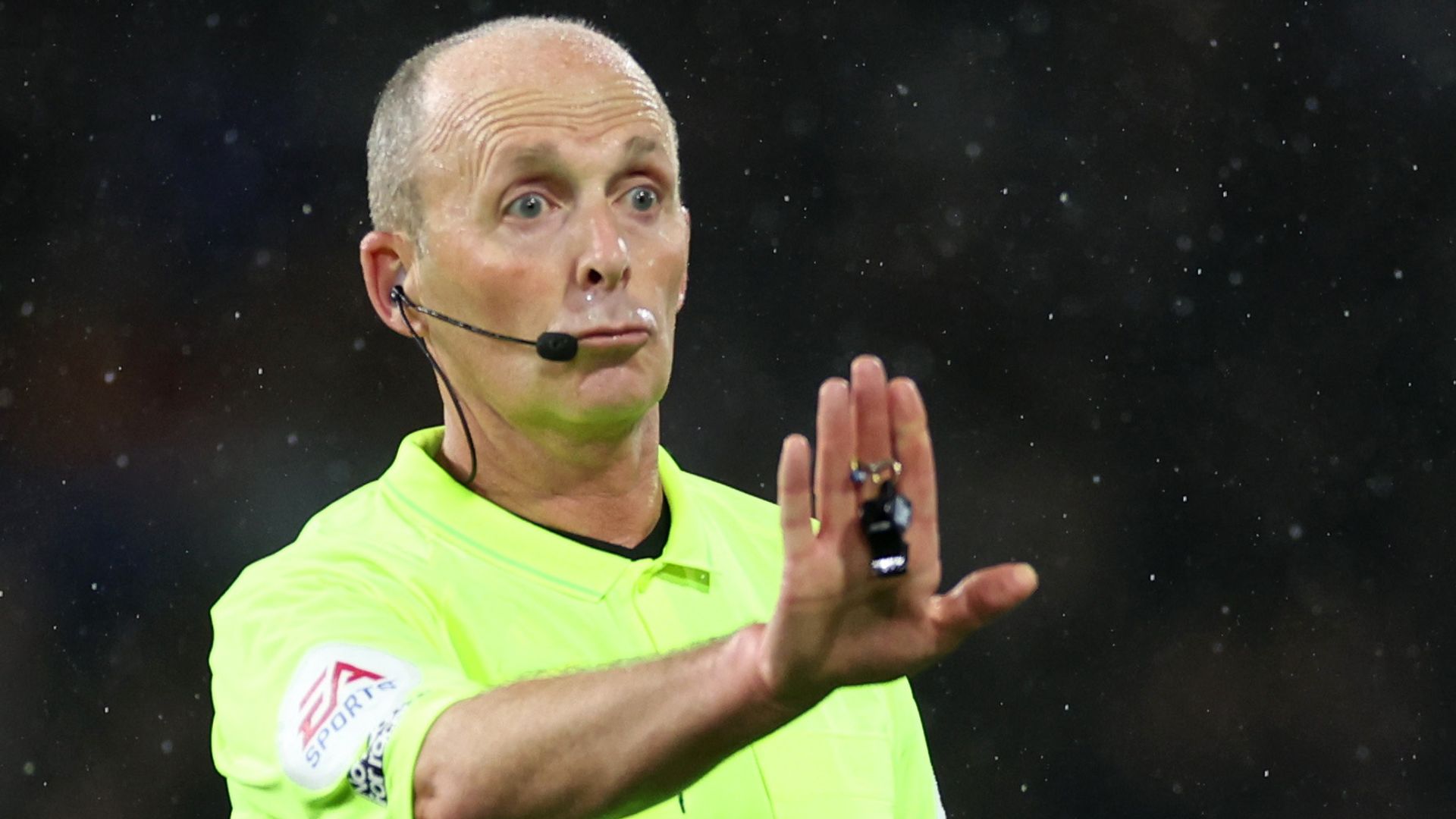
A controversial confession from a former Premier League referee has ignited widespread debate within the football community. The official admitted to deliberately delaying whistle blows and treating match officiating as a “game” to entertain himself. This revelation has raised serious questions about the integrity and professionalism expected from referees at the highest level of English football.
Confession Reveals Officiating as a ‘Game’
The ex-Premier League referee disclosed that during matches, he would sometimes hold back from blowing the whistle, effectively manipulating the flow of the game for his own amusement. Rather than strictly enforcing the rules, he viewed certain moments as opportunities to “play games” and joke around. This candid admission stands in stark contrast to the rigorous standards referees are expected to uphold in professional football.
Referees play a pivotal role in maintaining fairness and order on the pitch. Their decisions can influence match outcomes, player behavior, and fan emotions. Any suggestion that a referee is not fully committed to impartiality undermines the credibility of the sport. The official’s statement has therefore caused alarm among fans, players, and governing bodies alike.
Why This Matters: The Stakes in Premier League Officiating
Officiating in the Premier League is widely regarded as one of the toughest jobs in football. Referees must manage fast-paced action, intense pressure from players and coaches, and the scrutiny of millions of viewers worldwide. Every call is analyzed and often criticized, making professionalism non-negotiable.
This confession threatens to erode trust in the refereeing community. Fans expect referees to apply laws consistently and fairly, without personal bias or amusement affecting their judgment. When officials admit to intentionally manipulating game flow, it casts doubt not just on individual matches, but on the entire league’s integrity.
Moreover, referees are subject to extensive training, assessment, and use of technology such as Video Assistant Referee (VAR) systems to minimize errors and bias. The fact that a former referee felt comfortable admitting to this behavior suggests potential gaps in oversight and accountability mechanisms.
What Comes Next: Accountability and Reforms
Following the revelation, calls for increased transparency and stricter enforcement of refereeing standards have intensified. Football authorities may need to revisit how referees are monitored and disciplined to ensure such conduct is not tolerated. This could include more rigorous psychological evaluations, enhanced use of technology, and clearer consequences for unprofessional behavior.
Additionally, this episode highlights the ongoing challenges referees face in balancing authority with the human element of the game. While referees are expected to manage matches confidently, they are also individuals prone to personal flaws. Addressing these complexities openly could lead to improved training programs emphasizing ethical conduct and mental resilience.
Fans and stakeholders will be watching closely to see how governing bodies respond. Maintaining the sport’s credibility depends on referees being beyond reproach. Any perception of gamesmanship from officials threatens to alienate supporters and diminish the Premier League’s global reputation.
Final Thoughts: The Importance of Integrity in Football Officiating
This former referee’s admission serves as a stark reminder that integrity must remain at the core of football officiating. The sport thrives on fairness, respect for rules, and trust between players, officials, and fans. When those principles are compromised, the very spirit of the game suffers.
As football evolves with new technologies and increased scrutiny, it is crucial that referees uphold their responsibilities with unwavering professionalism. The Premier League, as one of the most-watched football competitions worldwide, sets standards that ripple across the sport. Ensuring referees conduct themselves with honesty and dedication protects the game’s legitimacy and enriches the experience for everyone involved.
Full details about the referee’s identity and the context of these remarks have not yet been released, but the conversation sparked by this confession is already reshaping how officials’ roles are perceived and evaluated.