The UK Army has abruptly suspended a range of essential training activities, including live-fire tank exercises, due to severe budget constraints. This development comes at a time when the government is urgently emphasizing the need for military readiness in the face of growing threats from the Kremlin.
What Training Has Been Affected?
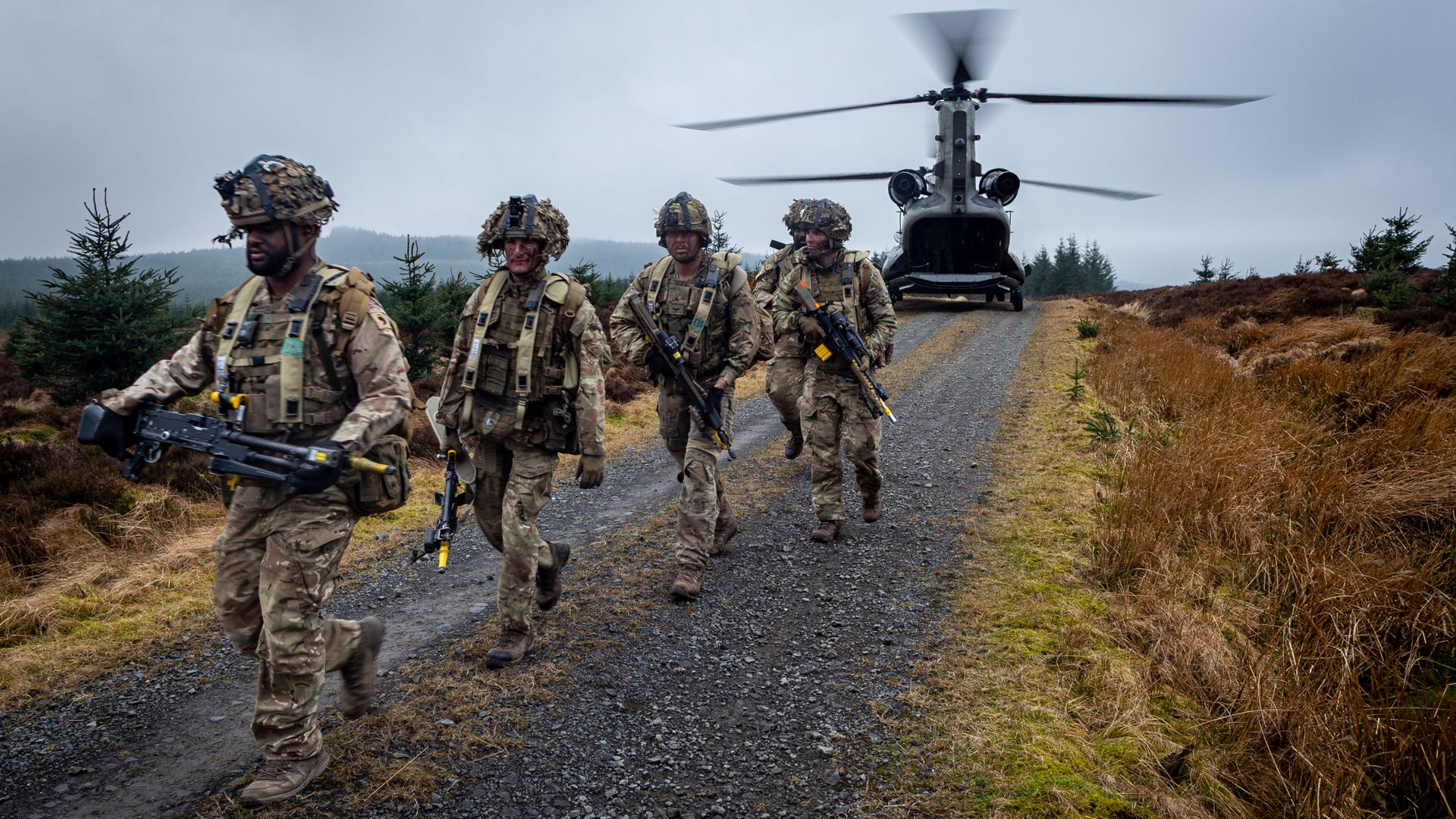
Vital military exercises, especially those involving live-fire tank maneuvers, have been put on hold. These exercises are critical for maintaining operational readiness and ensuring that troops are prepared for real combat scenarios. The suspension of such training risks eroding the army’s combat effectiveness and its ability to respond rapidly to potential conflicts.
Live-fire exercises provide soldiers with invaluable experience in handling weapons under realistic battlefield conditions, improving coordination, discipline, and tactical proficiency. Without regular practice, tank crews and other units may face diminished capability in actual combat situations.
Budget Shortfalls Amid Rising Geopolitical Tensions
The decision to halt training exercises stems from a significant shortfall in military funding. Despite the UK government’s warnings about the necessity of remaining vigilant and prepared for war, the army is grappling with financial limitations that restrict its ability to conduct comprehensive training.
These budgetary pressures reflect wider challenges facing the British defense establishment, which must balance competing priorities while addressing the evolving security environment. With Russia’s aggressive posture under President Vladimir Putin, including recent military actions and saber-rattling near Europe’s borders, the threat perception has intensified, making military preparedness more urgent than ever.
Government Response and Security Implications
Government officials have repeatedly stressed the importance of a robust defense posture. However, the current funding gaps highlight a disconnect between strategic ambitions and practical resource allocation. The army’s inability to sustain critical training undermines efforts to deter hostile actions and could weaken the UK’s standing among NATO allies.
Experts warn that these cuts could have long-term consequences for national security. As warfare evolves with new technologies and tactics, consistent and realistic training is indispensable. The suspension of live-fire exercises signals a vulnerability that adversaries might exploit, potentially emboldening hostile actors like Russia.
Moreover, the morale of soldiers who are unable to practice essential skills could suffer, affecting retention and recruitment. The British Army’s readiness not only depends on equipment and strategy but also on the confidence and competence of its personnel.
Why This Matters: Preparing for Future Conflicts
In an era marked by great power competition and unpredictable threats, military readiness is paramount. The Kremlin’s warnings and aggressive maneuvers underscore the necessity for the UK to maintain a fully capable and well-trained force. The suspension of key training exercises due to financial constraints is a stark warning sign of potential vulnerabilities.
For policymakers, this situation demands a re-evaluation of defense spending priorities to ensure that strategic commitments are matched with adequate resources. The costs of underfunding military preparedness could far outweigh short-term savings, especially if conflict arises unexpectedly.
For the public and stakeholders, understanding the implications of these training halts is crucial. Military effectiveness depends on continuous investment, and the current budgetary challenges place the nation’s security at risk.
Looking Ahead
The UK Army’s suspension of vital training exercises amid budget shortages presents a critical challenge at a time of heightened geopolitical risk. Addressing these financial gaps will be essential to restoring full operational readiness and maintaining deterrence against hostile powers like Russia.
As tensions in Eastern Europe remain high, the ability of the British military to train rigorously and respond decisively will play a key role in national and allied security. Ensuring sustained investment in defense capabilities must remain a top priority to safeguard the UK’s future in an increasingly uncertain world.